When you suffer a sudden injury like a sprained ankle or a pulled muscle, your first instinct is to help it heal. However, many people accidentally make their injuries worse by doing things that feel right but are actually harmful.
At Primary Care First Aid, we teach our students that the first 72 hours of injury management are the most important. While most people know about R.I.C.E. (Rest, Ice, Compression, Elevation), few know about H.A.R.M.
In this guide, Scott Dineen, a veteran firefighter and lead instructor, explains the HARM acronym and why “not harm” is the fastest way to get back on your feet.
What Is the HARM Acronym?
HARM is a simple first aid rule that helps you remember what not to do after an injury, especially in the first 48–72 hours. While this is just one of many essential first aid acronyms we teach, it is arguably the most important for home recovery.
Each letter stands for something you should avoid:
- H – Heat
- A – Alcohol
- R – Running
- M – Massage
These four actions can make swelling, pain, and bleeding worse, which slows down healing.ÂÂ

H: Avoid Heat on a Fresh Injury
Heat increases blood flow in the injured area. This may sound good, but in the first days, it actually causes more swelling and pain. Heat can make the injury worse and slow down healing. So avoid:
- Hot packs or heat pads
- Hot showers or baths
- Saunas or warm places near the injuryÂÂ
Instead of heat, first aid often uses ice or cold packs early on to lower swelling. (Cold is usually safe in the first 48–72 hours, but always wrap ice in a cloth so skin doesn’t get cold damage.) We cover these techniques extensively in our Emergency First Aid with CPR-AED Level C courses.
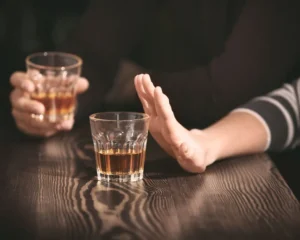
A: Avoid Alcohol After an Injury
Alcohol is a vasodilator, which means it widens blood vessels. This causes more blood to go to the wounded part of the body. That can increase:
- Swelling
- Bleeding
- Pain
- Risk of further damageÂÂ
Alcohol also reduces awareness of how painful or serious the injury is, which may cause you to use the injured part too soon. So, skip alcohol until the injury is healed.ÂÂ
R: Avoid Running or Strenuous Activity
Right after an injury, the body needs rest. Running or heavy exercise puts more stress on the injured area. This can:
- Increase swelling
- Delay healing
- Cause more damage to tissuesÂÂ
Instead, gently rest the injured body part and avoid any activity that causes pain. Gradual, pain-free movement can be discussed later with a trained first aider or doctor.ÂÂ
M: Avoid Massaging the Injury Early On
Massage may feel relaxing, but in the first days after an injury, it can:
- Increase swelling
- Increase bleeding
- Make pain worse
- Slow healingÂÂ
Massage is often helpful later in physical therapy, under the advice of a professional. But right after the injury, it’s best to avoid it entirely.
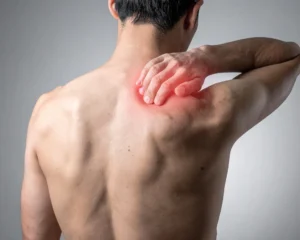
Why Avoiding HARM Matters
The early stage after an injury is when the body starts to heal. Doing the wrong thingâ€â€like applying heat or massaging can:
✅ Increase swelling
✅ Delay tissue repair
✅ Prolong recovery time
✅ Raise pain levelsÂÂ
That’s why first aid isn’t just about what you should do (like rest and ice), but also what you should not do. HARM gives a simple reminder to protect the injured area.ÂÂ
HARM + Other First Aid Tips
HARM works best when paired with good first aid care, like:
- Rest the injured area
- Ice soon after the injury
- Compression with light bandages
- Elevation above heart level if possible
Our Standard First Aid with CPR-AED Level C courses teach both R.I.C.E. and No HARM guidelines to improve healing.
When to See a Health Professional
Even if you follow HARM rules, some injuries need medical help. See a doctor if:
- Pain gets worse
- You cannot move the injured part
- There is severe swelling or bruising
- You feel numbness or tingling
Always consult a trained professional for serious injuries.
Conclusion
The HARM acronym is a valuable first aid tool that tells you what to avoid in the first 48–72 hours after an injury: Heat, Alcohol, Running, and Massage. Avoiding these helps reduce swelling and speed healing. Knowing what not to do is just as important as knowing what to do when someone gets hurt.
