In large-scale emergencies like car accidents or natural disasters, first responders often face many injured people at once. To save the most lives, they must decide who needs help immediately and who can wait. This process is called triage. One of the most effective tools for this is the RPM method, which stands for Respiration, Pulse, and Mental status. This guide will teach you how to use this professional strategy to stay calm and organize care during a crisis.
What is RPM in First Aid Triage?Â
RPM is a quick assessment tool used in first aid triage to prioritize patients based on the severity of their injuries. It stands for Respiration (breathing), Pulse (circulation), and Mental status (awareness). By checking these three specific indicators in under 30 seconds, rescuers can categorize victims into groups: Immediate (Red), Delayed (Yellow), Minor (Green), or Deceased (Black). This ensures that life-saving resources are used where they are needed most.
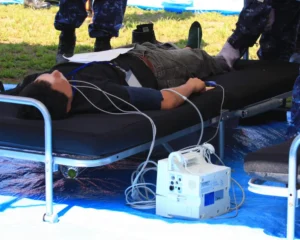
How to Use the RPM Scale: Step-by-Step
When you arrive at a scene with multiple victims, you follow the RPM steps in this specific order:
1. R – Respiration (Breathing)
Check how fast the person is breathing.
- If they aren’t breathing: Open the airway. If they still don’t breathe, they are tagged Black.
- If they breathe very fast (over 30 breaths per minute): They are tagged Red (Immediate).
- If they breathe normally (under 30 breaths per minute): Move to the next step (Pulse).
2. P – Pulse (Circulation)
Check the person’s blood flow to see if they are in shock.
- Test the radial pulse (wrist): If you can’t feel a pulse at the wrist, the person is tagged Red (Immediate).
- Capillary Refill: Alternatively, press on their fingernail. If it takes more than 2 seconds for the color to return to pink, they are tagged Red.
- If the pulse is strong: Move to the final step (Mental status).
3. M – Mental Status (Awareness)
Check if the person’s brain is functioning correctly.
- Give a simple command: Ask the person to “squeeze my hand” or “close your eyes.”
- If they cannot follow the command: They are tagged Red (Immediate).
- If they follow the command: They are tagged Yellow (Delayed).
Understanding the Triage Colors
Once you have checked RPM, you assign the person a category:
- Red (Immediate): Critical injuries. These people move to the front of the line.
- Yellow (Delayed): Serious but not currently dying. They can wait a short time.
- Green (Minor): The “walking wounded.” They have minor cuts or bruises.
- Black (Deceased): No signs of life.
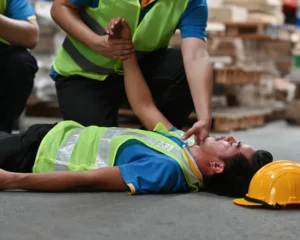
Why is RPM Better for Mass Emergencies?
In a normal emergency, you use the ABCs of first aid to give full care to one person. However, in a mass casualty event, you don’t have time for full care. RPM is a “snapshot” that helps you manage a crowd. It is a vital skill for anyone working in workplace safety or as a first aid attendant.
Get Certified in British Columbia
Triage is a high-level skill, but it is easy to learn with the right training. Whether you are a bystander or a professional, knowing how to prioritize patients is a life-saving ability.
At Primary Care First Aid, we teach these skills in our advanced courses. We provide training across the Lower Mainland, including:
- Vancouver: Join a First Aid Course in Vancouver.
- Surrey: Sign up for First Aid Surrey classes.
- Coquitlam: Find a First Aid Course in Coquitlam near you.
Act Fast with RPM
The RPM in the First Aid Triage method takes the guesswork out of an emergency. By checking Respiration, Pulse, and Mental status, you can focus your energy on the people who need you most.
Ready to master advanced first aid? Browse our first aid courses and get certified today!