A lot of people know they need training, but they are not always sure which course actually fits their situation. Some need first aid for work. Some need it for child care, school, healthcare, or personal confidence. Others are trying to match a job requirement and do not want to register for the wrong class.
If you have been asking which first aid course do I need, the answer depends on your role, your workplace requirements, and the level of emergency response you may be expected to provide.
The good news is that once you understand the difference between the major course types, choosing the right training becomes much easier.
If you are still comparing options, the main courses page is a helpful place to start.
Start with why you need the course
The first question is simple: what do you need the training for?
Common reasons include:
- workplace requirements
- healthcare or clinical settings
- child care or family readiness
- school or program requirements
- general personal preparedness
- job advancement
- recertification
The same person might need one type of course for personal use and a different one for work. That is why the course should match the setting, not just the name.
If you need general first aid training
For many people, a broad entry point into training begins with Basic First Aid.
This type of course is often a good fit for people who want foundational first aid knowledge without needing a more advanced workplace-specific level right away.
It can make sense if you:
- are new to first aid training
- want general emergency response confidence
- need an introductory workplace option
- want a practical starting point before more advanced training
It is often the right first step for people who want real-world first aid skills without immediately needing a more intensive course.
If you need a higher workplace response level
Some roles call for more advanced training and broader response skills.
In that case, Intermediate First Aid may be the better fit. This is often more suitable for people whose work environments, responsibilities, or regulatory requirements call for a stronger level of emergency preparedness.
This can make more sense if:
- your employer requires a higher level of first aid certification
- your work environment involves greater risk
- you need more than basic response training
- you are expected to handle more complex first aid situations
When in doubt, job requirements should be reviewed carefully before registering.
If your main focus is CPR training
Some people do not necessarily need a broader first aid course right away. Instead, they need CPR-specific training for work, caregiving, or general preparedness.
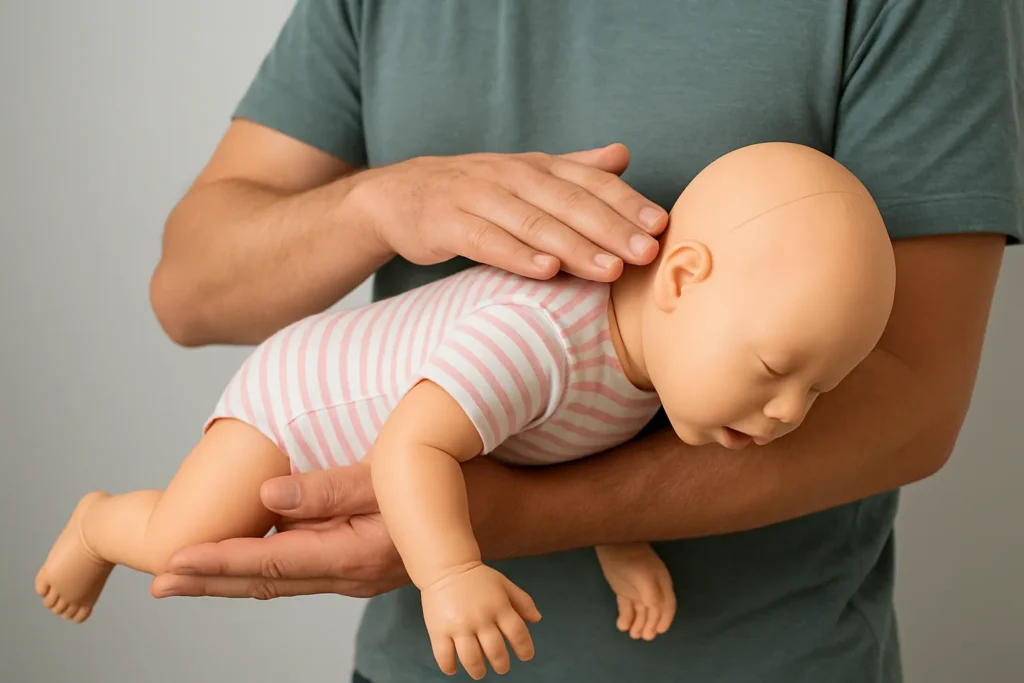
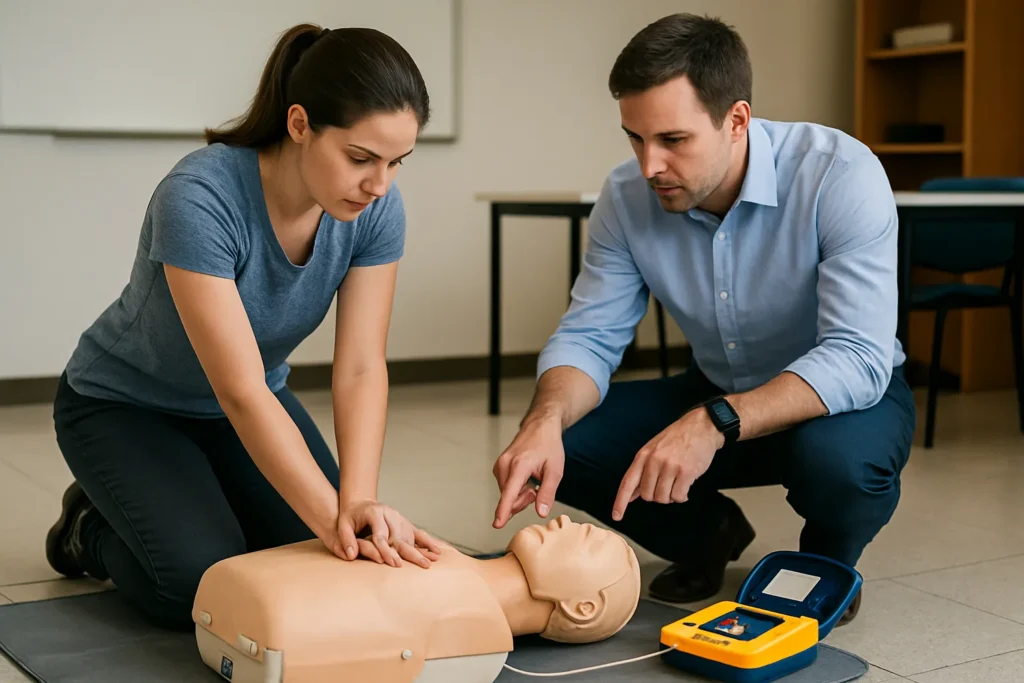
If that is the case, CPR/AED Level C may be the right course to look at. This is often a strong fit for people who need CPR training that includes adult, child, and infant response.
This option may suit:
- teachers
- coaches
- fitness staff
- childcare workers
- parents and caregivers
- anyone whose workplace requires CPR certification
It is also a common course for people who want focused CPR skills without enrolling in a broader first aid program first.

If you work in healthcare or a clinical setting
Healthcare-related roles often require a different level of training than general first aid or standard CPR classes.
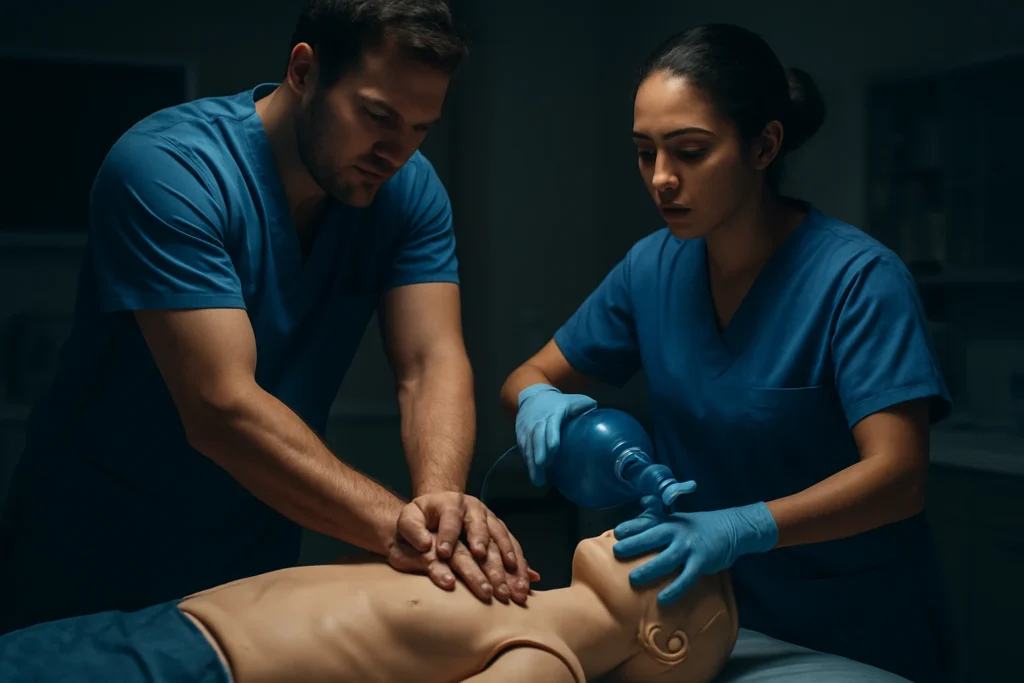
For those settings, Basic Life Support (Health Care Provider) is often more appropriate. This type of course is usually intended for people working in healthcare environments or in roles with more specific professional response expectations.
That may include:
- healthcare students
- clinical staff
- support workers
- people entering healthcare-related programs
- teams that need a more professional BLS framework
The course title matters here because not all CPR or first aid training is interchangeable.
Do not choose based on name alone
One of the most common mistakes people make is choosing a course because the title sounds familiar instead of confirming what it is actually meant for.
Before registering, it helps to ask:
- Is this course for workplace requirements, personal preparedness, or healthcare?
- Does my employer or program require a specific level?
- Do I need CPR only, or both CPR and first aid?
- Is this an initial course or a renewal?
- Does the setting I work in require something more advanced?
Those questions usually narrow things down quickly.
What if you are still unsure?
If you are not sure which course applies to your situation, that is normal. A lot of people have overlapping needs or incomplete information from an employer, school, or job posting.
The easiest next step is to compare the course options side by side and confirm the requirement before booking. That is much better than registering for the wrong class and needing to rebook later.
Why the right course matters
The right course does more than help you meet a requirement. It gives you the level of confidence and skill that matches your real-world situation.
If the course is too basic, it may not meet your work needs. If it is more advanced than necessary, it may not be the best use of your time.
That is why the best choice is usually the course that matches your role as closely as possible.
A simple way to think about it
A helpful way to break it down is:
- choose a general first aid course if you want broad foundational emergency skills
- choose CPR-focused training if your main need is resuscitation and AED response
- choose intermediate or more advanced training if your workplace requires a higher level
- choose healthcare-focused BLS if you are working in clinical or healthcare environments
That keeps the decision practical instead of confusing.

Ready to choose the right course?
If you are trying to figure out which course fits your role, the best next step is to match the training to your real requirement instead of guessing based on the title alone. You can contact the team if you want help narrowing down the right option before registering.
FAQ
How do I know which first aid course I need?
Start by identifying whether you need training for work, healthcare, school, or personal preparedness. Then match the course level to that setting.
Is CPR the same as a first aid course?
Not always. Some courses focus mainly on CPR, while others include broader first aid skills and emergency response training.
What is the difference between Basic First Aid and Intermediate First Aid?
Basic First Aid is usually a more foundational option, while Intermediate First Aid is often suited to workplaces or roles that require a higher level of response.
Do healthcare workers need a different course?
Often yes. Healthcare or clinical roles may require Basic Life Support or another course that is more appropriate for professional care environments.
What if I register for the wrong course?
It is better to confirm your requirements before booking. Checking with the training provider first can save time and avoid rebooking.