Do you know how to provide immediate care in a life-threatening emergency? If not, then you should consider taking a BLS Track Application course. BLS stands for Basic Life Support, and it is a training program that teaches individuals how to provide the necessary care in such a situation. This course is especially beneficial to healthcare professionals such as nurses, doctors, and emergency responders. With the right knowledge and training, you can save lives in a critical situation. In this blog post, we will discuss the details of a BLS Track Application and how it can help you provide life-saving care.
What is BLS?
Basic Life Support (BLS) is an emergency medical training program. It focuses on providing immediate care to someone who is experiencing a life-threatening medical emergency. This training is crucial for healthcare professionals, such as nurses, doctors, and emergency responders, as they are typically the first ones to provide care to a patient in need.Â

All Certification Require BLS
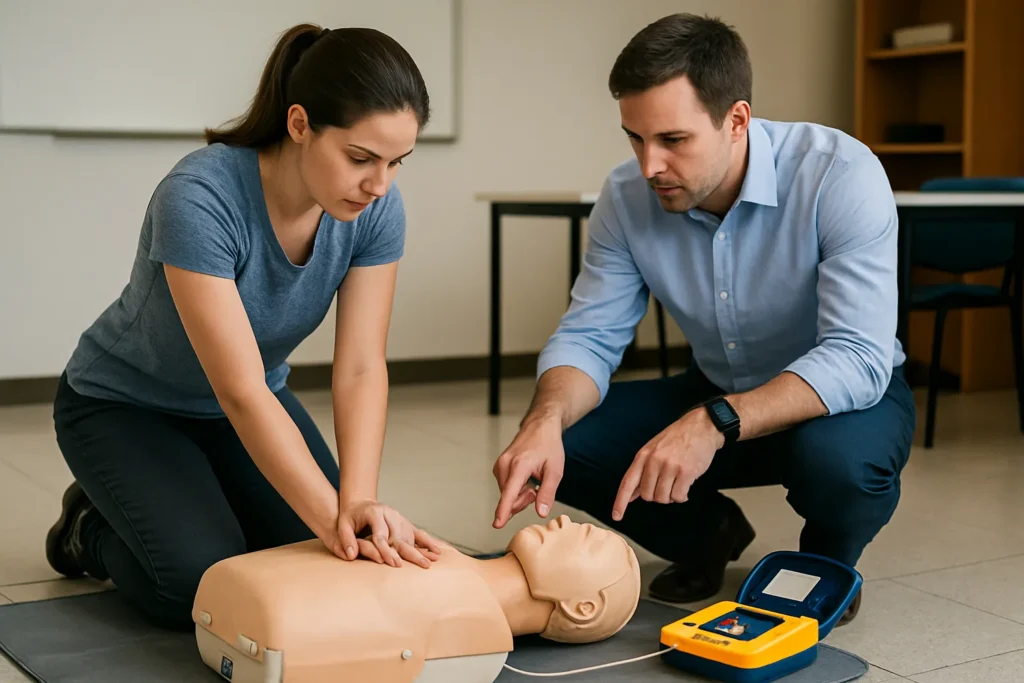
BLS certification requires passing a written exam and demonstrating the skills required for the training, such as chest compressions, airway management, and the use of an Automated External Defibrillator (AED). Once certified, individuals must keep up with the necessary skills to remain certified. This means that BLS certifications expire and must be renewed every two years.Â
When applying for BLS track application certification, individuals can track their application progress through the Provider Course Completion (PCC) System. Through this system, individuals can track their application from start to finish and see when their certification will be ready. Individuals who have already received their BLS certification can also use the PCC system to renew their certification. The PCC System makes it easy for healthcare professionals to stay current on their BLS certification and ensure they are prepared to provide life-saving care in an emergency situation.
Who Needs BLS Training?
BLS, or Basic Life Support, is an important training program that is essential for anyone who is likely to be called upon to provide emergency medical assistance. This includes healthcare professionals such as nurses, doctors, and emergency responders, as well as those in related fields such as first aid providers, paramedics, and EMTs. For these individuals, having the knowledge and skills to respond to life-threatening emergencies could mean the difference between life and death.

Deferent Level of PCC BLS
The track BLS application process is designed to help ensure that these individuals are equipped with the necessary skills and knowledge to provide immediate care in a life-threatening emergency. A lot of schools provide a BLS PCC (Provider Card Certification) program that is available to individuals who want to apply for a BLS certification.
The PCC BLS application track consists of three levels: Level 1, Level 2, and Level 3. Level 1 is intended for those individuals who have completed their training, while Levels 2 and 3 are for those who have additional experience or have taken a refresher course. All applicants must pass a written exam in order to earn their certification. Upon completion, they will receive a certification card that identifies them as a certified provider of Basic Life Support.
The Benefits of BLS Training
BLS track application, or Basic Life Support, is an important training program that teaches individuals how to provide immediate care to someone who is experiencing a life-threatening emergency. This training provides a number of benefits, ranging from knowledge and skills to confidence and peace of mind.Â
The knowledge and skills gained from BLS Track Application are invaluable. When providing care to a patient in an emergency situation, having the right information and the ability to act quickly and confidently is essential. Through BLS training, healthcare professionals are better equipped to handle these situations and provide the best possible care for their patients.Â

Benefits of it
Aside from the tangible benefits of gaining new skills and knowledge, BLS track application training also provides a sense of confidence and peace of mind. Knowing how to properly apply the techniques taught during BLS training can help alleviate some of the stress associated with life-threatening emergencies, allowing healthcare professionals to better focus on providing quality care for their patients.Â
Professional HealthcareÂ
The track bls application, or PCC BLS, makes it easy for healthcare professionals to stay up-to-date on their training. The online application allows them to keep track of their progress and view their certification status at any time. This ensures that their skills remain current and that they are prepared for any situation that may arise.Â
By investing in the BLS Track Application training program, healthcare professionals gain access to the knowledge, skills, and confidence necessary to provide the best possible care in any situation.
How to Apply BLS Training in a Real-Life Situation
When it comes to medical emergencies, it is important to know how to react quickly and appropriately. This is especially true for healthcare professionals, who may be tasked with providing emergency care to a patient. BLS track application, or Basic Life Support application, is an important training program that teaches individuals how to respond and provide immediate care in life-threatening situations. This training can be invaluable in saving lives, which is why it is important to understand how to apply the techniques learned in the BLS application track.

BLS Training
The BLS track application training is divided into two parts: the PCC (Primary Care Course) and the Application Track. The PCC is designed to teach the fundamentals of providing basic life support, such as CPR and rescue breathing. The BLS Track Application provides instruction on how to apply the knowledge acquired in the PCC in real-life situations. This includes assessment and management of cardiac and respiratory arrest, stroke, and other medical emergencies.Â
In order to provide the best possible care in an emergency situation, it is important to understand the basic principles of BLS track application.Â
This includes assessing the patient’s condition, initiating appropriate intervention, and providing ongoing care until help arrives. In addition, healthcare professionals must also be familiar with all available resources, such as resuscitation equipment and medications. Knowing how to use these tools correctly can make all the difference in a life-threatening situation.Â
Understanding The Fundamentals
By understanding the fundamentals of BLS and applying the techniques learned in the BLS application track, healthcare professionals can ensure they are prepared to respond appropriately in a medical emergency. Knowing how to properly assess a patient’s condition and provide effective intervention can be essential in saving a life.
Why we need to know about it
Basic Life Support (BLS) is a critical skill for healthcare professionals and first responders. It enables them to respond to an emergency situation with the necessary knowledge and skills to ensure the best possible outcome for the patient. BLS track application training covers cardiopulmonary resuscitation (CPR), automated external defibrillation (AED), and other treatments that are essential for a timely response in an emergency situation.Â

Peri-Operative Cardiovascular Collapse
BLS training also plays a significant role in the management of peri-operative cardiovascular collapse (PCC), as it provides healthcare professionals with the ability to accurately assess a patient’s condition, identify the most appropriate course of action, and provide timely treatment. In order to effectively manage PCC, healthcare professionals must possess a comprehensive knowledge of the BLS Track Application, including recognition of the symptoms associated with PCC, the administration of CPR and AED, and the use of advanced airway management. By understanding the fundamentals of BLS, healthcare professionals can better prepare themselves to respond appropriately and efficiently to an emergency situation.
What is important about BLS
BLS (Basic Life Support) is a critical training program that teaches healthcare professionals, such as doctors, nurses, and emergency responders, how to provide immediate care to someone who is experiencing a life-threatening emergency. BLS track application is an important skill to have as it can be the difference between life and death. The BLS track application emphasizes on Patient Care and Communication (PCC), which is a combination of clinical skills, communication skills, and problem-solving skills. PCC focuses on the patient’s immediate health needs, as well as their emotional needs.Â
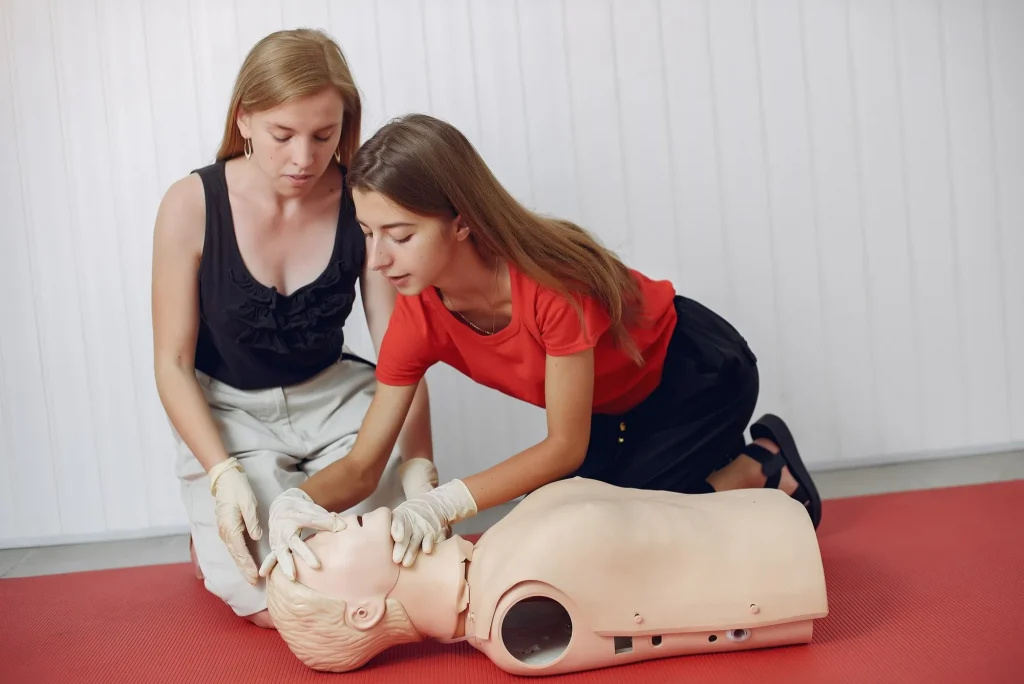
When You Ned Basic Life Support
The importance of having a PCC background in order to provide basic life support is that it equips healthcare professionals with the necessary skills to assess a situation quickly, deliver appropriate care, and maintain a high level of communication with the patient and their family or caregivers. It also provides healthcare professionals with an understanding of the underlying pathophysiology that contributes to the patient’s condition. With this understanding, healthcare professionals can make informed decisions regarding diagnosis, treatment, and discharge plans.
Essential Training Program
In summary, BLS Track Your Application is an essential training program that teaches healthcare professionals how to provide immediate care in a life-threatening emergency. The BLS tracking application focuses on Patient Care and Communication (PCC), which combines clinical skills, communication skills, and problem-solving skills. With this understanding, healthcare professionals are better equipped to assess a situation quickly and make informed decisions about a patient’s care.