Babysitting is a popular and rewarding job for teenagers, providing them with the opportunity to earn some extra money and gain valuable experience in responsibility and childcare. However, with great responsibility comes great caution, especially when it comes to the safety of the children under your care.Â
As a teenage babysitter, it is important to have a comprehensive understanding of safety measures and protocols to ensure the well-being of the children and yourself. In this blog post, we will provide you with a comprehensive guide on babysitting safety, covering everything from preparing for the job to handling emergency situations. So, if you’re a teenager looking to start babysitting or already have experience in the field, read on to learn how to make babysitting a safe and enjoyable experience for everyone involved.
Knowing the Basics: Understanding the Job and its Responsibilities
Babysitting goes beyond just watching kids play. It’s a role that requires you to ensure the health, safety, and overall well-being of the children you are tasked with caring for in their parents’ absence. You might be preparing meals, assisting with homework, or ensuring they brush their teeth and get to bed on time.Â
In some instances, you may have to deal with emergencies. Remember, your role isn’t just to supervise but to create an atmosphere that’s safe and fun for the children. This understanding of what babysitting truly involves is the cornerstone to being an effective and responsible caregiver.

Acquainting Yourself With the House and Identifying Safety Hazards
Before you begin your babysitting duties, it’s essential to familiarize yourself with the environment in which you’ll be working. This involves two key aspects – understanding the layout of the house and identifying potential safety hazards.Â
Understanding the House Layout:Â
Take a tour of the home with the parents or guardians before they leave for your babysitting job. Note where important areas are located, such as the children’s bedrooms, bathrooms, and play areas. Ask where you can find essentials like first aid kits, fire extinguishers, and childproof locks. Also, inquire about areas that are off-limits to the children to ensure you keep those spaces secure.
Identifying Potential Hazards:Â
Children are naturally curious and often unaware of dangers that might be present in a typical home. Ask the parents to help you spot potential safety hazards. These could include unsecured heavy furniture that could tip over, accessible cleaning supplies or medications, sharp objects within reach, or stairs that need to be blocked off for young children.Â
Checking Outdoor Areas:Â
If there’s an outdoor play area or a pool, inspect it for safety. Ensure the pool area is securely fenced and verify the safety of play equipment. Also, consider potential dangers like poisonous plants, garden tools, or any unprotected areas that could pose a risk.
First Aid Training: A Must-Have Skill for Babysitters

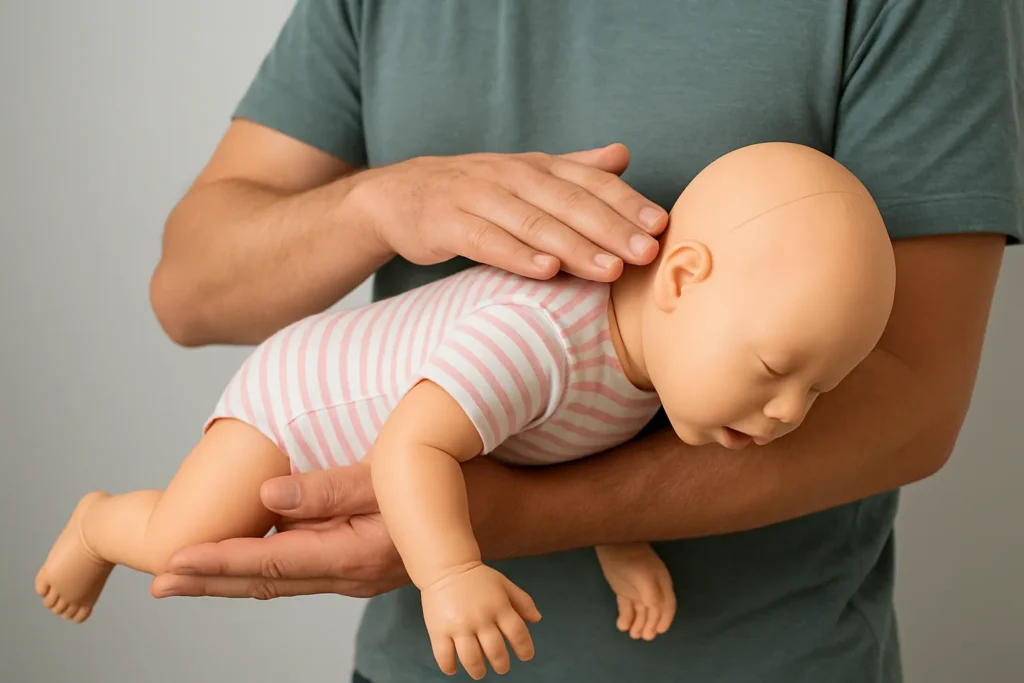
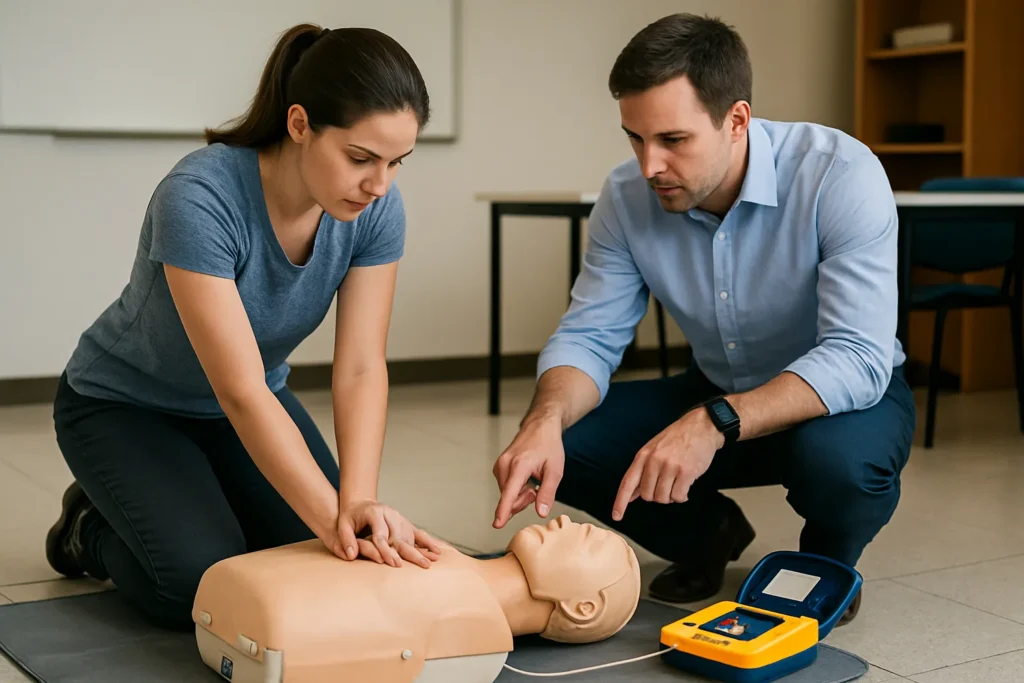
A key component of ensuring safety while babysitting is being equipped with first aid skills. A comprehensive first aid training can help you respond effectively in case of an injury, accident, or health emergency, thereby enhancing the safety and well-being of the children under your care. Here’s why first aid training is a must-have skill for babysitters:
Understanding Basic First Aid Procedures:Â
Knowing how to administer basic first aid procedures like cleaning and dressing a wound, dealing with burns, or treating a fever can come in handy during minor emergencies. These skills can help manage the situation until professional medical help arrives.
Responding to Life-Threatening Emergencies:Â
While rare, life-threatening emergencies can occur. First aid training can provide you with the knowledge to perform CPR, Heimlich maneuver, or handle severe allergic reactions, which can potentially save a life.
Confidence in Emergency Situations:Â
Having first aid training can boost your confidence in dealing with emergencies. You are less likely to panic, more likely to stay calm, and be able to make informed decisions, which is crucial when responding to health emergencies.
Recognition of Illnesses and Injuries:Â
First aid training also teaches you how to recognize signs of illnesses or injuries. You learn to understand symptoms that may indicate a more serious problem, prompting immediate medical attention.Â
Establishing an Emergency Plan and Important Contacts
Just as we practice fire drills to know what to do in case of a fire, having an emergency plan while babysitting is crucial. Being prepared for unexpected situations can help mitigate panic and ensure you’re ready to respond swiftly and appropriately. Here are a few steps to establish a solid emergency plan:
Emergency Contact List:Â
Prior to the parents’ departure, ensure you have a list of important contacts. This should include the parents’ mobile numbers, the number of a nearby relative or trusted neighbor, the family doctor, and local emergency services. Having these numbers at hand can be a game-changer in a crisis.
Understanding the Home Address:Â
In the event of an emergency, you may need to provide the home address to emergency services. Make sure you know the full address, including the zip code, and the easiest way to direct emergency vehicles to the house.Â
Familiarize with Emergency Exits:Â
Know the locations of all possible exits in the house in case you need to evacuate quickly. Also, find out if there are any specific procedures to follow during certain emergencies like fires or earthquakes.
Discussing Medical Information:Â
If the children you are babysitting have specific medical conditions, allergies, or take regular medication, be sure to understand what these are and how to manage them.Â
Understanding and Respecting Children’s Dietary Needs and Allergies
In the realm of babysitting, understanding and respecting the children’s dietary needs and allergies is essential. It’s more than just knowing what to feed them; it involves being informed and cautious about potential allergens, understanding dietary restrictions, and promoting healthy eating habits.Â
Knowing About Food Allergies:Â
As a babysitter, you should be aware of any food allergies that the children may have. Allergic reactions can be severe, even life-threatening. Familiarize yourself with symptoms of allergic reactions like itching, swelling, difficulty breathing, and rash. Always ask parents about allergies before preparing food and stay vigilant when introducing new food items.
Understanding Dietary Restrictions:Â
Children may have dietary restrictions due to health reasons, religious beliefs, or personal preferences. For instance, some children may be on a gluten-free diet or follow a vegetarian or vegan diet. Ensure you are aware of these restrictions and respect them while preparing meals or snacks.
Promoting Healthy Eating Habits:Â
As a role model, you play a significant part in influencing the children’s eating habits. Encourage them to eat balanced meals and limit the consumption of junk food. Involve them in preparing meals to make the process more engaging and educational.
Reading Food Labels:Â
To ensure you are adhering to dietary needs and avoiding allergens, get into the habit of reading food labels. This can help identify any hidden allergens or unwanted ingredients.
Dealing with Behavioral Issues: Establishing Ground Rules

Babysitting also involves dealing with the sometimes tricky territory of behavior management. A crucial step in ensuring smooth sailing is to establish clear ground rules right from the outset. Here are some key considerations:
Setting Expectations:Â
It’s essential to know and understand the house rules and enforce them consistently. Make sure you’re clear about bedtime routines, TV time limits, homework requirements, and the like. Consistency will not only help maintain discipline but also create a sense of security for the children.
Reinforcing Good Behavior:Â
Catch them being good! Positive reinforcement can work wonders in encouraging good behavior. Complimenting them for actions like sharing toys, completing homework, or cleaning up after play can motivate them to repeat these behaviors.
Managing Misbehavior:Â
Instead of reacting immediately to misbehavior, try to understand the root cause. Is the child tired, hungry, or just seeking attention? Once you identify the reason, you can address it more effectively. Remember, your response should always be respectful and proportionate to the misbehavior.
Communication:Â
Keeping an open line of communication with the parents is vital. Discuss any behavioral issues with them and align your approach to ensure consistency. Their input can provide valuable insights into managing certain behaviors.
Conclusion
Babysitting is more than a job; it’s a pivotal role that requires utmost responsibility and care. Ensuring the safety and well-being of the children under your care is of paramount importance. From mastering first aid skills to understanding the home environment and the child’s dietary needs to managing behavioral issues, and fostering emotional safety – every aspect matters.Â
Remember, you’re not just a babysitter, but a role model, a guide, and a trusted companion. As you embark on this journey, feel free to contact us for any further guidance or support. Your dedication, coupled with these tips, will make you an excellent and trusted babysitter.