When it comes to first aid, two main categories are often discussed. Emergency first aid vs standard first aid. Both types of first aid are crucial in providing immediate care to those in need. Although first aid training is crucial. However, there are various kinds of first aid programs available. Emergency First Aid is designed for critical, life-threatening situations. Choosing whichever of the two programs best suits your needs can be simplified by realizing their differences. You can select the right type of training to best meet your needs and be prepared for any situation.
Understanding First Aid
First aid includes basic medical actions that help provide temporary relief. It stabilizes someone during a health emergency or injury until professional help arrives. It uses simple techniques and minimal equipment. The main goal is to reduce the seriousness of the injury and avoid further problems. Knowing first aid is useful for everyone. As emergencies can happen anytime and anywhere. Understanding the basics of first aid can help a lot when dealing with unexpected events. More specialized first-aid training is made possible by this basic understanding. Standard vs emergency first aid is intended for various kinds of medical emergencies.
Emergency First Aid
Emergency First Aid focuses on quick, life-saving actions for serious situations. It’s meant to offer immediate help to save lives. It prevents escalation of the situation in healing until urgent healthcare arrives. This training teaches how to handle urgent issues. It includes skills for performing critical interventions and managing severe bleeding.
Essential Life-Saving
The approach to rapid first aid is usually straightforward. It focused on essential life-saving skills. This training prepares individuals to be first responders in emergencies. It is especially valuable in high-risk environments. Alongside remote areas where immediate medical care isn’t available. Rapid first aid can greatly influence the outcome of an emergency. Making it a vital skill in both community and workplace settings.

Standard First Aid
Standard First Aid goes beyond immediate life-saving techniques. It covers a broader range of medical issues with a more detailed approach. This training includes all the skills from rapid first aid and adds more topics. Participants learn how to handle non-life-threatening situations that still need quick care. This comprehensive training helps people manage various health issues and injuries.
Minor Injuries and Situations
The advanced first aid curriculum teaches people how to assess situations. It handles minor injuries or illnesses until professional medical help arrives if needed. This training is perfect for those who want to be ready for many types of situations. It’s especially useful in places with different risks.
Difference Between Standard and Emergency First Aid
It’s important to recognize the difference between standard first aid vs emergency. It’s important to respond to medical emergencies effectively. The focus of urgent first aid is critical, life-threatening conditions. However, advanced first aid addresses a wider spectrum of injuries and illnesses.Â

Training Levels and Depth of Knowledge
A major difference is in the level of training and knowledge needed. Urgent first aid teaches quick techniques for life-threatening situations. Advanced first aid covers a broader range of medical issues with more detailed training. Comprehensive first aid requires more in-depth learning to handle various health problems.
Tools and Focus
The equipment and tools for each type of first aid reflect their different focuses. Emergency First Aid kits are designed for quick responses. On the other hand, advanced first aid kits are more comprehensive and less urgent medical needs.
Training Requirements for Both Types of First Aid
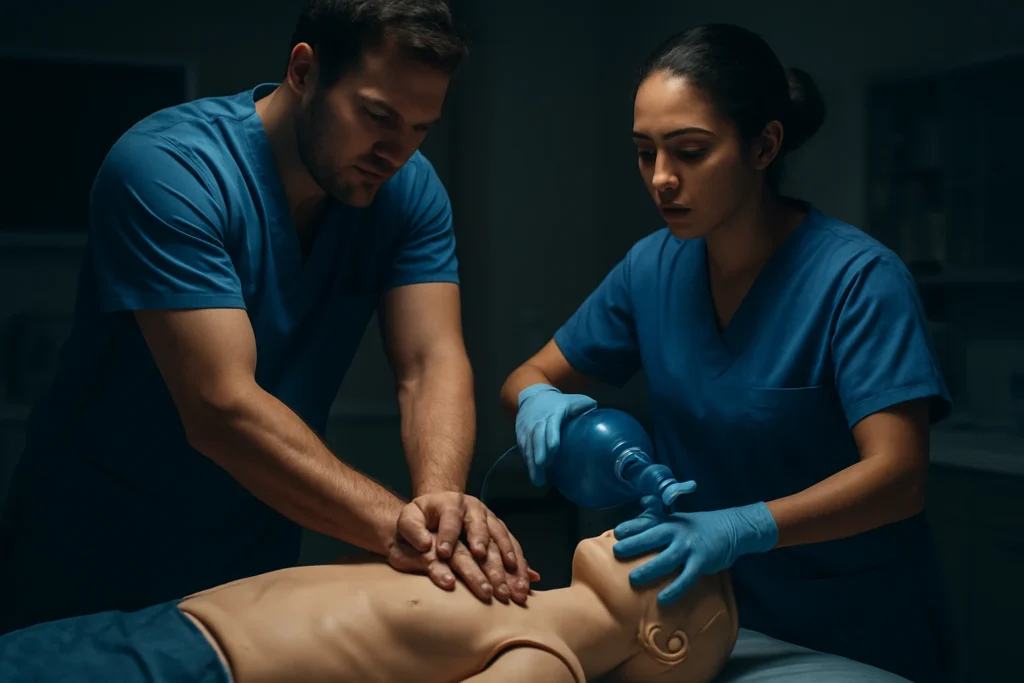
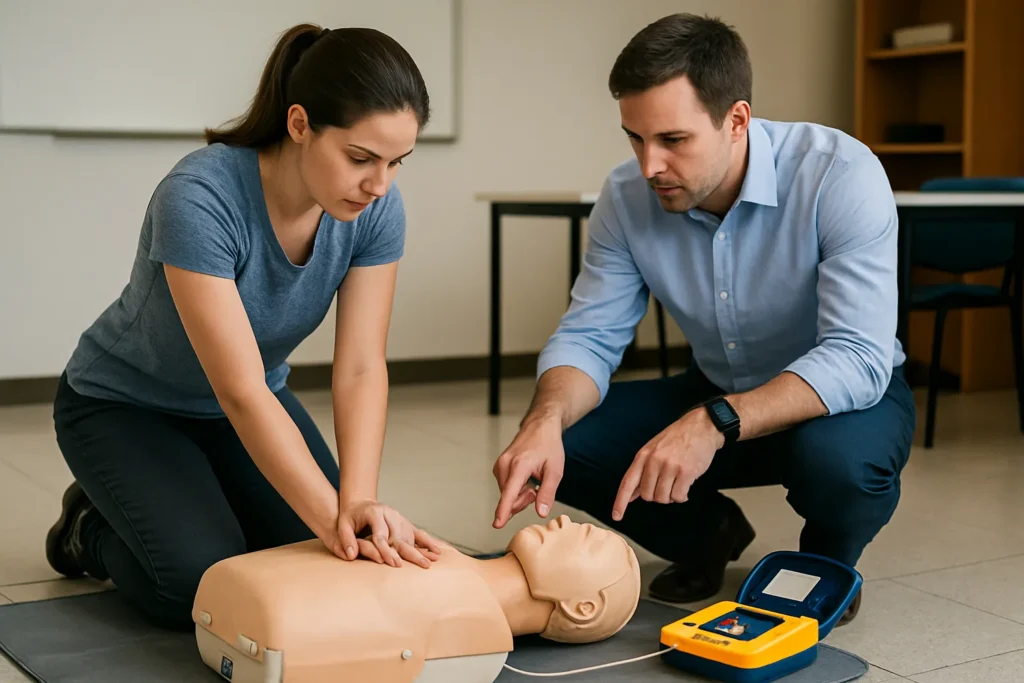
Standard first aid vs emergency first aid requires quite different training. Training in urgent first aid is often brief. It lasts only one day—and focuses on vital life-saving techniques. It goes through how to react fast to emergencies and assess a situation. Using an AED, CPR, and stopping serious bleeding are essential abilities.
Advanced Training
Comprehensive first aid certification requires more extensive training. This course covers everything in urgent first aid and goes further. Teaching how to handle a wider range of medical situations. Participants learn to assess patients and provide ongoing care until professional help arrives. The training includes both theory and hands-on practice with exercises and scenarios.
Maintaining Validity
Both emergency and advanced first aid training needs to be renewed every two to three years. The exact renewal time depends on the certifying organization and current guidelines. To make sure that your certification is accepted. It’s essential to choose a trustworthy and approved training provider.Â

Situations Where Emergency First Aid Is Sufficient
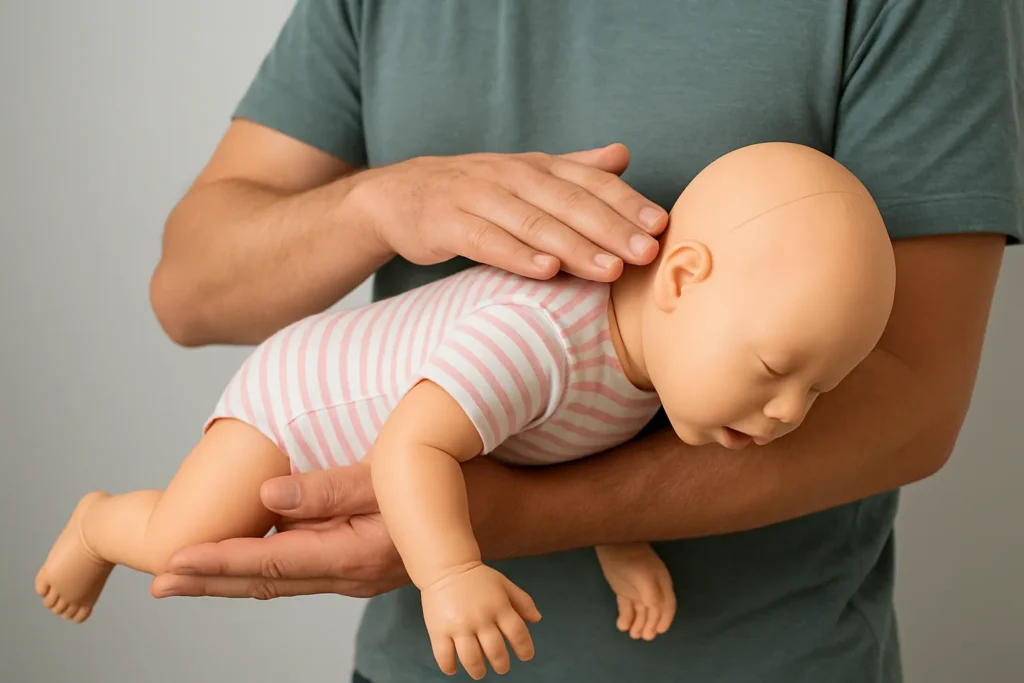
Immediate first aid is crucial for handling life-threatening situations. In severe bleeding using a tourniquet can control blood loss until help arrives. Breathing can be restored by using the Heimlich technique or back blows. Until emergency medical assistance arrives, someone experiencing cardiac arrest can be kept alive.Â
Quick Recognition
Quick recognition and action are crucial. Identifying the patient’s symptoms and keeping their legs up can help them heal a lot faster.
These scenarios highlight why immediate first-aid training is so important. It teaches people how to act quickly and effectively in situations. Immediate first aid can be a crucial lifeline. It often makes the difference between life and death.
Choosing the Right Type of First Aid
You might have to choose between comprehensive first aid training and immediate first aid. If you work in high-risk environments you should go for immediate first aid training. It provides you with the abilities required to act quickly and effectively.

Ideal for Community Settings
Extended first aid training is ideal for individuals who are in fixed locations. It is also highly beneficial for members of community groups. They manage not only emergencies but also common minor illnesses.
Urgent and Non-Urgent Medical Situations
Having completed extensive first-aid training is a blessing. You have a wide range of skills if you are in charge of someone else’s well being. It also confidently manages medical issues for both urgent and non-urgent. It offers a deeper understanding of healthcare ideas and procedures.Â
Ultimately, choosing between emergency and comprehensive first aid training depends on your environment. No matter which type of training you pick. Learning first aid is a valuable investment in your ability to protect and save lives.
Get the Right Fit for Your Needs
Both emergency first aid vs standard first aid training offer essential skills. Since they serve different needs. Critical first aid is ideal for high-risk environments. It helps equip you to handle life-threatening emergencies effectively. However, advanced first aid offers a wider variety of abilities appropriate for daily situations. This makes it especially beneficial for people who are involved in community activities. Investing in first aid training is essential. It helps to improve your capacity to handle medical emergencies and health issues.