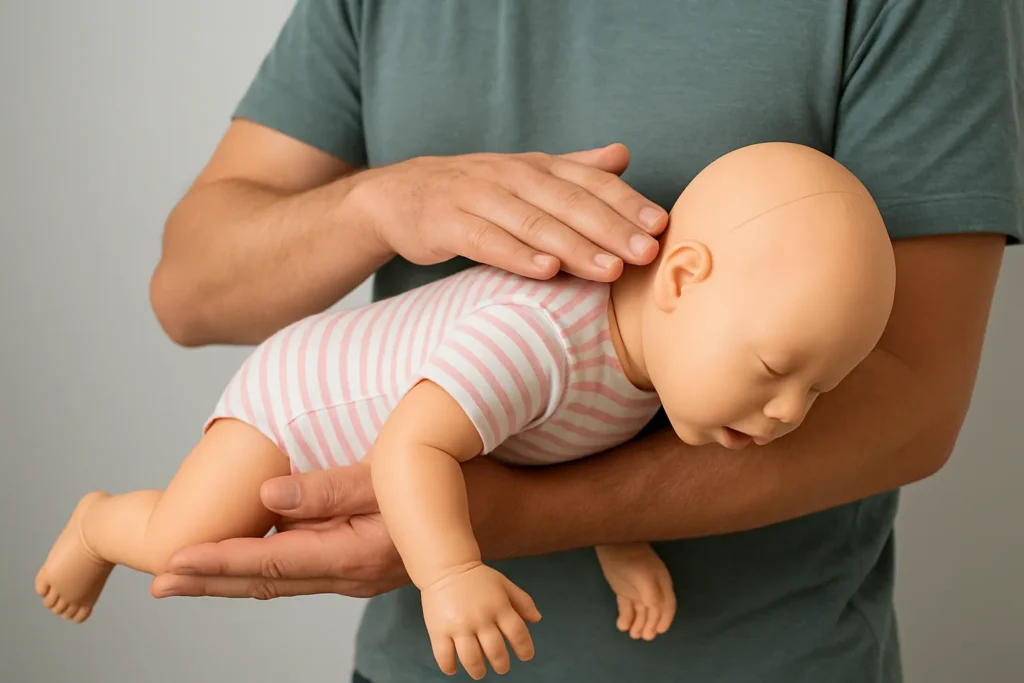
Begin your first aid training by becoming familiar with the basic emergency procedures as they are used today. Read on to learn what to expect from Primary Care First Aid.
Emergency Procedures
Emergency situations can develop when you are at work or at home. It is always best to be prepared for any type of emergency that can occur in the workplace, at home, or in the malls. Be aware of placing yourself in a position where you can quickly react.

Quick response
This is also known as the 911 method, now more than ever people have to be equipped to handle the most dangerous situation themselves. Knowing where the nearest emergency station is as well as what to do if you or someone you love suffers a cardiac event is crucial. Situations like heart attacks and strokes happen every day and a trained individual will be able to react with lethal speed to help save the life of a loved one.
CPR
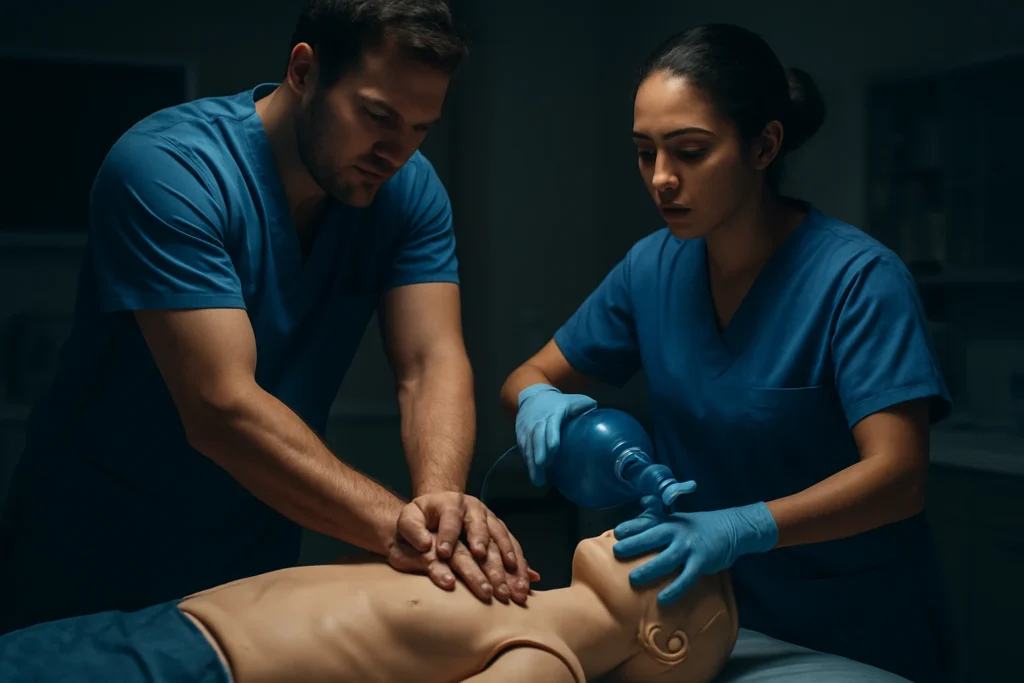
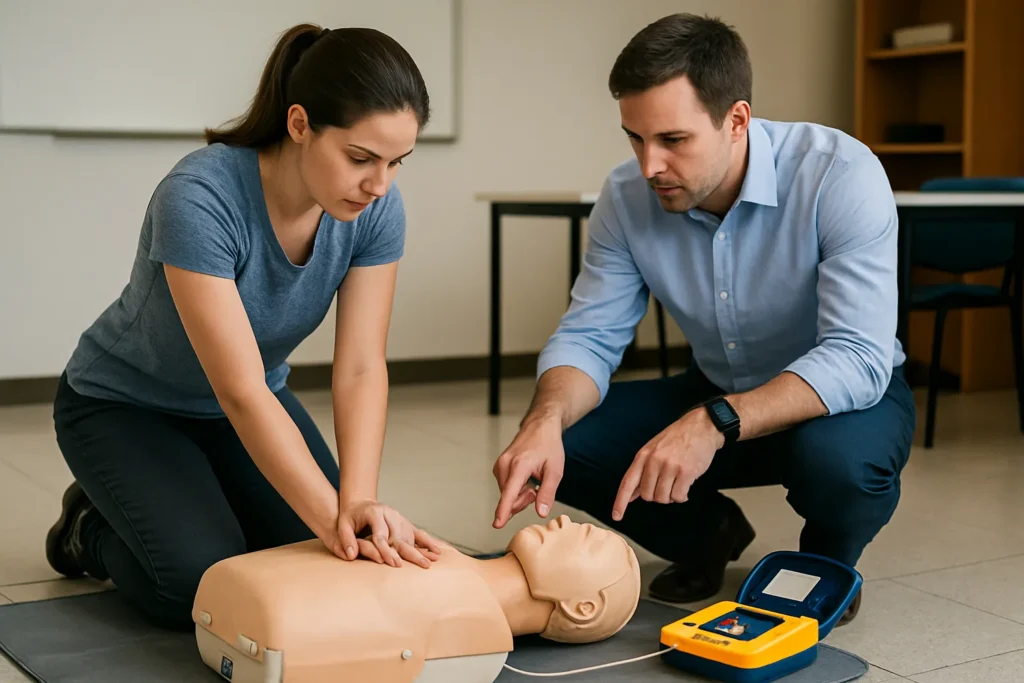
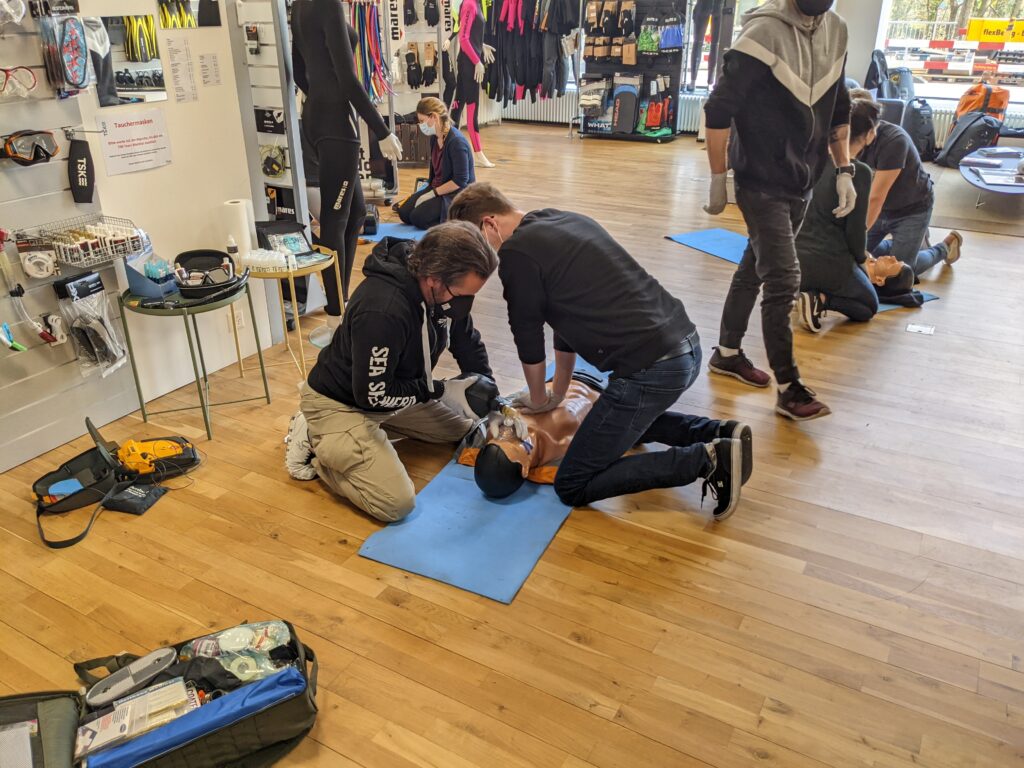
Cardio Pulmonary Resuscitation is a part of first aid training and emergency procedures that involves continuing the flow of oxygenated blood to the heart and brain while stopping the circulation of blood to the body. In the event of an accident, the person suffering from a heart attack must be able to breathe properly and CPR must be applied immediately. Proper placement of hands is also important in CPR and one must be sure to clear the airway before any chest compressions are given.
AED
An automated External Defibrillator is a key part of any first aid kit. This device is used to get the blood flowing in the body of the patient to combat irreparable damage to the heart. You can find these devices at most medical supply stores but it is important to buy a genuine AED and have it in your first aid kit because an untied bedside AED can be a lifesaver in the event of an emergency.
Action
First aid training and emergency procedures for teenagers or adults requires that a plan be created for the occurrence of an emergency. The plan must be clear to prevent any confusion in the victim’s mind. It must also be consistent and it must cover all possible situations. Therefore it is very important that all first aid training must cover these five areas: plan, response, assessment, stabilization, and care.
Potential
Whether it is looking for a company or an individual first aid training will help you prepare in case an emergency situation does arise. They learn to identify the root of a situation by noting the environmental factors that might aggravate the situation.
Emergency Procedures
These are only a few examples of the types of emergency procedures that is available. First aid training can be divided into two parts. The first part is basic and is needed before one can begin lessons and the second part is advanced. This training is specifically for momentary situations until one has received adequate training to handle major accidents. When learning first aid in BC, people need to understand the principles of first aid, risk factors, signs, symptoms, and cautions.