Knowing acronyms in first aid can save lives. They help responders act quickly, manage injuries, and gather vital patient information. Our founder, Scott Dineen, has relied on these very acronyms during his career as a professional firefighter. In this blog post, we cover all essential first aid acronyms.Â
We understand the importance of practical, effective training. Our owner, Scott Dineen, has relied on first aid acronyms throughout his career as a professional firefighter. With years of real-world emergency experience, Scott knows firsthand how these tools can empower responders to act quickly and decisively. Mastering these first aid acronyms and abbreviations ensures you’re prepared for every situation. Â
Common First Aid Acronyms in Canada
Here are the most important first aid acronyms:
- ABC – Airway, Breathing, Circulation (emergency stabilization)
- R.I.C.E.R – Rest, Ice, Compression, Elevation, Referral (minor injury management)
- SAMPLE – Signs, Allergies, Medications, Past history, Last meal, Events (patient assessment)
- CPR – Cardiopulmonary Resuscitation (revive someone who isn’t breathing or has no pulse)
- AED – Automated External Defibrillator (used to restart the heart in cardiac arrest)
- FAST – Face, Arms, Speech, Time (stroke recognition)
- POISON – Product, Observation, Incident, Symptoms, Outcome, Notify (poisoning emergencies)
- H.A.I.N.E.S – High Arm IN Endangered Spine (recovery position for spinal injuries)
- HARM – Heat, Alcohol, Running, Massage (things to avoid after injury)
- AVPU – Alert, Voice, Pain, Unresponsive (consciousness check)
- DRSABCD – Danger, Response, Send for help, Airway, Breathing, CPR, Defibrillation (full emergency sequence – common in Canada)
- OPQRST – Onset, Provocation, Quality, Radiation, Severity, Time (pain assessment)
- DOTS – Deformities, Open wounds, Tenderness, Swelling (injury check)
- ROSC – Return of Spontaneous Circulation (post-CPR outcome)
- MONA – Morphine, Oxygen, Nitrates, Aspirin (heart attack treatment – hospital use, not lay rescuer)
- BE FAST – Balance, Eyes, Face, Arm, Speech, Time (expanded stroke check)
- CSM – Circulation, Sensation, Movement (limb/nerve assessment)
- DCAP-BTLS – Deformities, Contusions, Abrasions, Punctures, Burns, Tenderness, Lacerations, Swelling (trauma exam)
- RPM – Respiration, Pulse, Mental status (triage)
- MARCH – Massive bleeding, Airway, Respiration, Circulation, Hypothermia/Head injury (advanced trauma/shock care)

Understanding ABC in First Aid
The ABCs are the foundation of first aid. ABC stands for Airway, Breathing, and Circulation, and it helps responders prioritize life-saving actions.
- Airway – Make sure the person’s airway is open and clear of obstructions.
- Breathing – Check if the person is breathing normally. Rescue breathing may be needed if they are not.
- Circulation – Ensure the heart is pumping blood. Start CPR if necessary.
These steps are simple but essential. In emergencies like choking, heart attacks, or fainting, knowing the ABCs can make a huge difference.Â
For a detailed step-by-step guide on the ABC method, check out our ABC guide.Â
R.I.C.E.R Method for Injury Management
R.I.C.E.R. is a method used to treat minor injuries like sprains, strains, and soft tissue damage. It helps reduce pain, swelling, and speeds up recovery.
- Rest – Avoid using the injured part.
- Ice – Apply ice packs to reduce swelling.
- Compression – Use bandages or wraps to support the injury.
- Elevation – Keep the injured area raised above heart level.
- Referral – Seek professional medical advice if needed.
Visit our R.I.C.E.R. guide for step-by-step instructions and a complete learning experience.
SAMPLE Acronym for Patient Assessment
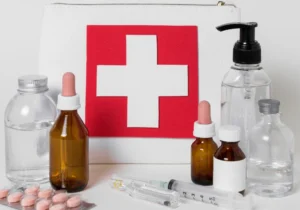
SAMPLE is a handy acronym for collecting important patient information during first aid. It stands for:
- S – Signs and Symptoms – What are the patient’s current issues?
- A – Allergies – Does the patient have any allergies?
- M – Medications – What medicine is the patient taking?
- P – Past medical history – Any ongoing medical conditions?
- L – Last meal – When did the patient last eat or drink?
- E – Events leading up to the injury – What caused the problem?
Using SAMPLE ensures responders gather vital information quickly, which is important for emergency personnel or doctors.Â
For a detailed explanation, check out our SAMPLE acronym guide.
HARM – Things to Avoid After an Injury
HARM is used to remind you of what not to do in the first 48–72 hours after an injury, as these can worsen swelling and slow recovery.
- Heat – Avoid hot packs, baths, or saunas.
- Alcohol – Do not drink alcohol; it increases bleeding and swelling.
- Running – Avoid physical activity that stresses the injury.
- Massage – Do not massage the area, as it can increase bleeding.
AVPU – Level of Consciousness Check
AVPU helps assess how responsive a person is after an accident or medical emergency.
- Alert – Fully awake and responsive.
- Voice – Responds only to verbal commands.
- Pain – Responds only to painful stimulus.
- Unresponsive – No reaction at all.
Visit our AVPU guide for examples of how to check responsiveness safely.
DRSABCD – Emergency Action Plan
DRSABCD is a step-by-step guide for responding to life-threatening emergencies.
- Danger – Check for dangers to yourself and others.
- Response – Check if the person is responsive.
- Send for help – Call emergency services (911 in Canada).
- Airway – Make sure the airway is clear.
- Breathing – Check for normal breathing.
- CPR – Begin chest compressions and rescue breaths.
- Defibrillation – Use an AED as soon as available.
Visit our DRSABCD guide for a complete breakdown of each life-saving step.

OPQRST – Pain Assessment
OPQRST is used to gather detailed information about pain or discomfort.
- Onset – When did the pain start?
- Provocation – What makes it better or worse?
- Quality – What does the pain feel like (sharp, dull, throbbing)?
- Radiation – Does the pain spread to other areas?
- Severity – How bad is it on a scale of 1–10?
- Time – Has the pain changed over time?
DOTS – Injury Check
DOTS is a quick way to look for common signs of injury.
- Deformities – Any abnormal shape or alignment.
- Open wounds – Cuts, scrapes, or bleeding.
- Tenderness – Pain when touched.
- Swelling – Puffiness or enlargement around the area.
Â
ROSC – Return of Spontaneous Circulation
ROSC describes when a person’s heart starts beating on its own again after CPR or defibrillation.
- It means that circulation has returned, and advanced medical care is urgently needed.
MONA – Heart Attack Care (Clinical Use)
MONA is often used in hospitals to treat suspected heart attacks.
- Morphine – To relieve chest pain.
- Oxygen – To improve oxygen delivery.
- Nitrates – To open blood vessels and improve blood flow.
- Aspirin – To thin the blood and prevent clots.
(Note: MONA is for medical professionals and not for lay first aiders.)
BE FAST – Stroke Recognition
BE FAST is an expanded version of FAST, used to quickly identify a stroke.
- Balance – Sudden loss of balance or coordination.
- Eyes – Sudden vision changes or loss.
- Face – One side drooping.
- Arms – Weakness in one arm.
- Speech – Slurred or strange speech.
- Time – Call 911 immediately.
Â
CSM – Limb and Nerve Check
CSM is used to check the condition of an injured limb.
- Circulation – Check blood flow (pulse, skin colour, temperature).
- Sensation – Can the person feel touch or pressure?
- Movement – Can they move fingers or toes normally?
Â
DCAP-BTLS – Trauma Assessment
DCAP-BTLS helps check for injuries after trauma or accidents.
- Deformities – Abnormal shapes.
- Contusions – Bruises.
- Abrasions – Scrapes.
- Punctures – Holes or penetrations.
- Burns – Any type of burn injury.
- Tenderness – Painful areas.
- Lacerations – Cuts or tears.
- Swelling – Enlarged areas.
RPM – Triage Assessment
RPM is used in emergencies to quickly sort and prioritize patients.
- Respiration – Is the person breathing normally?
- Pulse – Do they have a pulse? Is it weak or strong?
- Mental status – Are they alert and responsive?
MARCH – Trauma & Shock Management
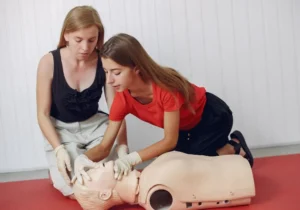
MARCH is often used in advanced first aid or military settings to manage life-threatening injuries.
- Massive bleeding – Control severe bleeding first.
- Airway – Ensure the airway is clear.
- Respiration – Assess and support breathing.
- Circulation – Check pulse and control shock.
- Head/Hypothermia – Protect from head injury and prevent heat loss.
FAST – Stroke Recognition
FAST is a simple test used to recognize the early signs of a stroke. Quick action can save lives and reduce long-term damage.
- Face – One side droops when smiling.
- Arms – One arm drifts downward when raised.
- Speech – Slurred or strange speech.
- Time – Call 911 immediately.
POISON – Poisoning Emergencies
POISON helps guide your response when someone may have ingested or been exposed to a harmful substance.
- Product – What was taken?
- Observation – What symptoms are showing?
- Incident – When and how did it happen?
- Symptoms – What effects are present?
- Outcome – How is the person responding?
- Notify – Call Poison Control or 911 immediately.
How ABC, R.I.C.E.R, and SAMPLE Work Together
First aid works best when ABC, R.I.C.E.R., and SAMPLE are used together.
- ABC: Always the first step to stabilize the patient.
- R.I.C.E.R: Manages minor injuries after stabilization.
- SAMPLE: Helps gather vital patient information.
Using these three together ensures a smooth process from emergency care to injury management and assessment. For a clear side-by-side comparison, check out our ABC, SAMPLE, and R.I.C.E.R. comparison guide.
Conclusion
In any emergency, a clear plan is your most powerful tool. The Essential Acronyms in First Aid: ABC, R.I.C.E.R., and SAMPLE provide exactly that. It helps you stay calm and take effective action when it matters most. Learning what these terms mean is a critical first step toward being prepared.