First aid for life is an incredibly valuable skill that can save lives in times of emergency. Knowing how to provide immediate help in the event of an accident or medical emergency can mean the difference between life and death.Â
In this blog post, Primary Care First Aid will guide us and explain why first aid for life is so important and how it can help us save lives.

Understanding First Aid and Its Importance
First aid refers to the immediate assistance given to someone who has been injured or is experiencing a medical emergency. It involves the application of techniques like CPR and emergency first aid to stabilize a person’s condition until professional help arrives.Â
The importance of knowing first aid cannot be overstated. It allows us to take immediate action, providing essential care that can be life-saving.Â
First aid knowledge empowers individuals to handle emergencies confidently, offering a lifeline to those in need and potentially preventing further harm or even death.
Common Accidents and Emergencies That Require First Aid
Knowing first aid is crucial in managing various types of accidents and emergencies.Â
Common Ones That Require Immediate Attention And Response Are:
Cardiac Arrest:Â
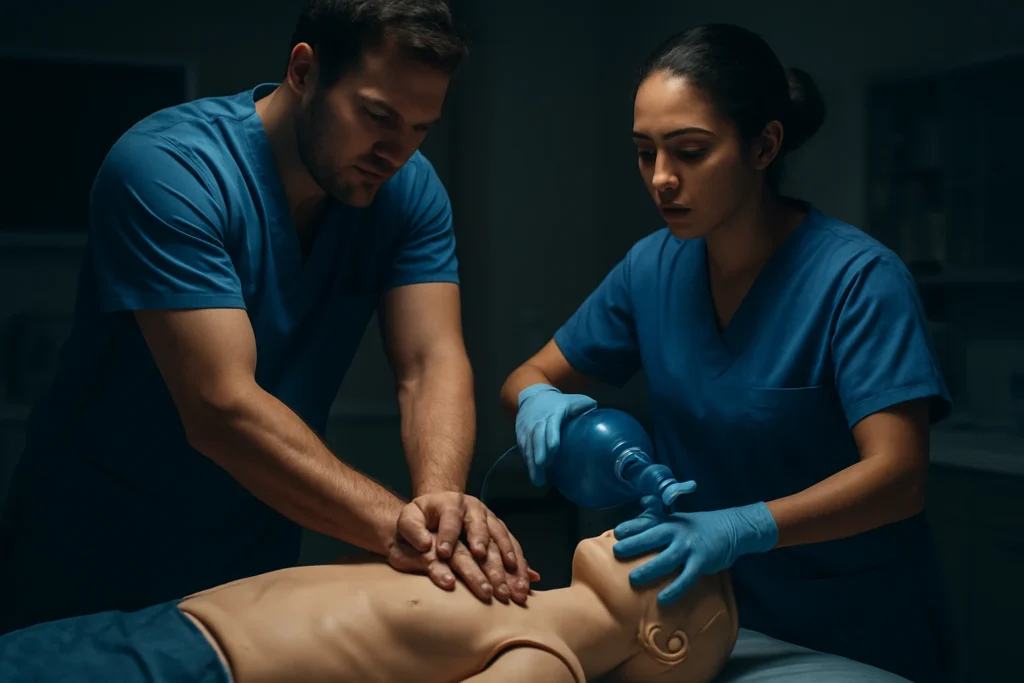
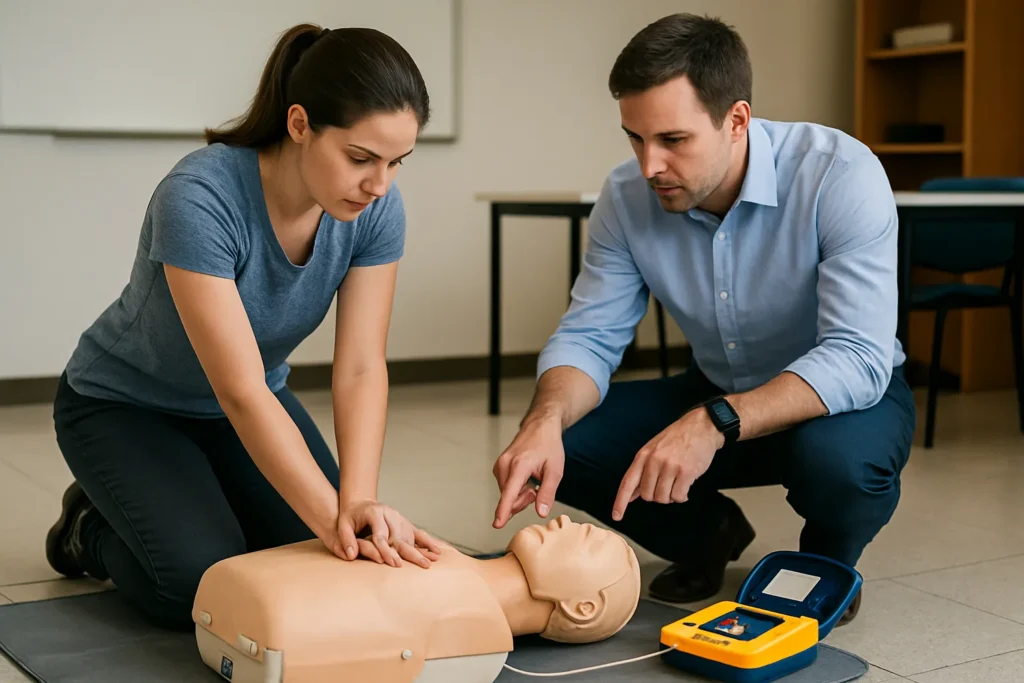
This is a sudden loss of heart function, which can lead to death if not treated promptly. Performing CPR (cardiopulmonary resuscitation) can help restore blood circulation and oxygenation to the brain and other organs, thereby increasing the chance of survival.
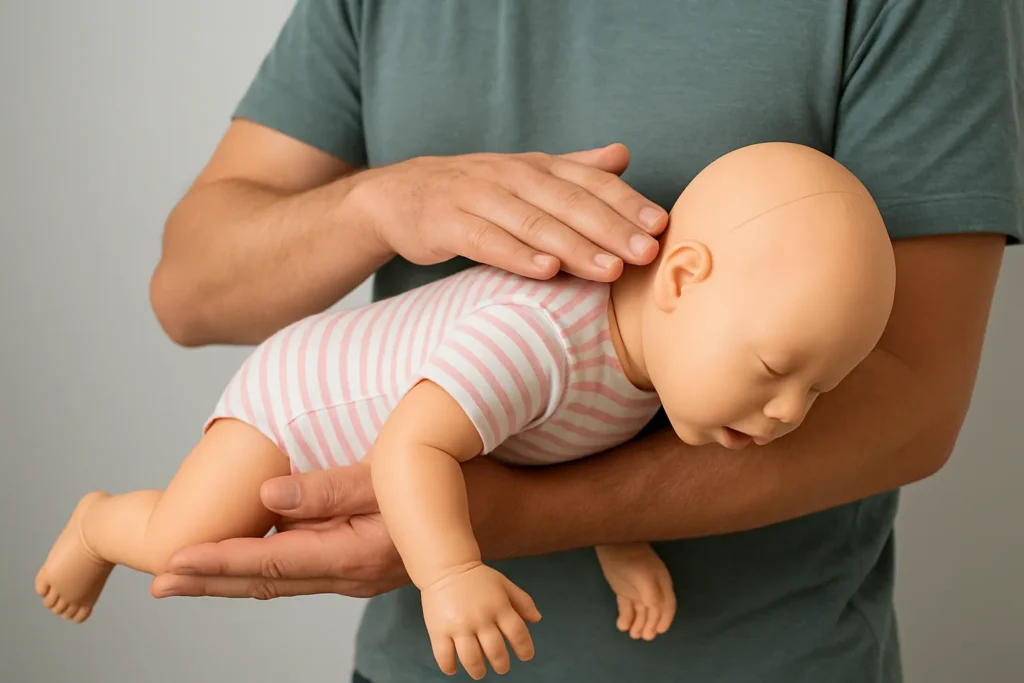
Choking:Â
This occurs when a person’s airway is partially or completely blocked, usually by food or a foreign object. The Heimlich maneuver, a technique that involves abdominal thrusts, can dislodge the obstruction and allow the person to breathe normally.
-Â

Bleeding:Â
This can be due to various reasons, such as cuts, lacerations, or puncture wounds. Applying pressure and dressing the wound can help control the bleeding and prevent infection.
Burns:Â
These can result from exposure to heat, chemicals, or electricity. Cooling the burn with running water or a wet cloth can help relieve pain and prevent further damage to the skin.
Fractures and Sprains:Â
These injuries involve damage to the bones, muscles, or joints, and can cause severe pain and swelling. Immobilizing the affected area and providing support with a splint or bandage can help reduce pain and prevent further injury.
Overall, being knowledgeable in emergency first aid and CPR can help you respond quickly and effectively in a wide range of situations, potentially saving lives and reducing the severity of injuries.

Basic First Aid Techniques and Procedures
First Aid for life is about providing immediate medical care to those in need.Â
Some Basic Techniques And Procedures You Should Know:
CPR:
Cardiopulmonary resuscitation is a lifesaving technique that involves chest compressions and rescue breaths to restore blood circulation and breathing in someone who has stopped breathing.
Heimlich Maneuver:Â
This technique is used to clear airway obstruction in cases of choking. It involves standing behind the person and delivering abdominal thrusts until the obstruction is dislodged.
Bandaging:Â
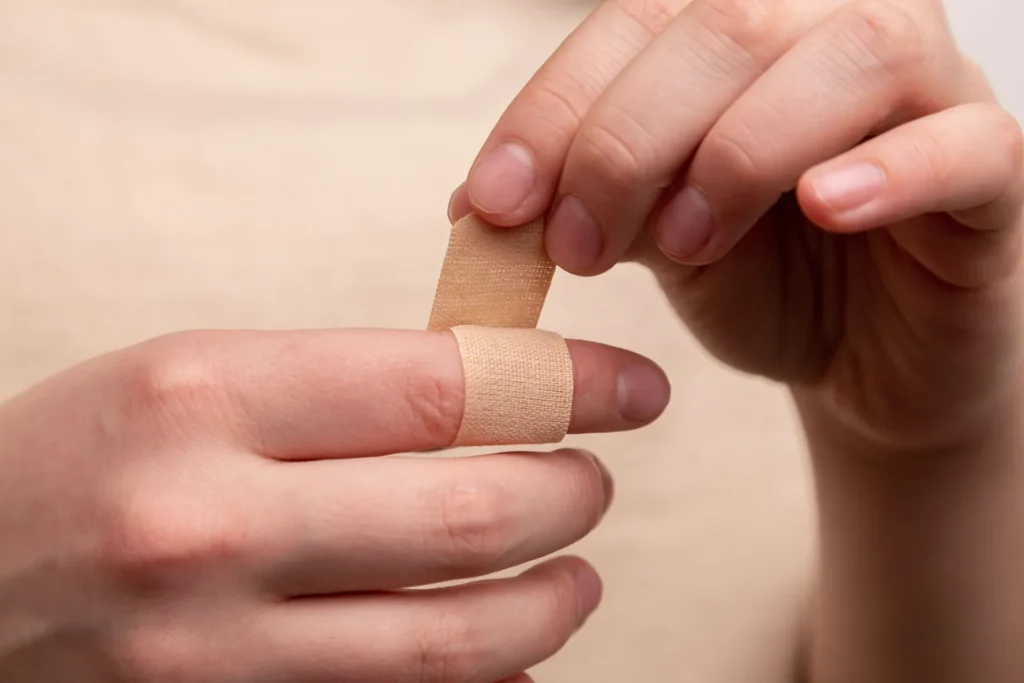
Knowing how to properly apply a bandage to a wound can prevent bleeding and protect against infection. Remember to clean the wound first before applying the bandage.
Splinting:Â
In cases of fractures or broken bones, it’s important to immobilize the affected area to prevent further damage. Splinting involves wrapping the injured limb with a stiff material like a wooden board or cardboard.
Seizure Management:Â
If someone is having a seizure, first aid for life involves clearing the area of objects that could cause harm and gently cushioning their head. Do not restrain the person and call for emergency medical help.
Knowing these basic first aid techniques and procedures can make a significant difference in saving lives and minimizing the impact of injuries. However, it’s important to note that these are just the basics. It’s always best to seek professional medical help as soon as possible in case of an emergency.
The Importance of First Aid Training and Certification
- First aid training and certification are crucial for individuals to be prepared for accidents and emergencies that can occur in everyday life.Â
- With proper training, individuals can confidently respond to a wide range of medical emergencies, including cardiac arrests, choking incidents, and severe bleeding, ensuring that immediate help is provided before professional medical assistance arrives.
- First aid training equips individuals with the knowledge and skills to assess a situation quickly, make informed decisions, and take appropriate actions, potentially saving lives in critical moments.
- Certification serves as a testament to an individual’s competency in providing first aid, boosting their confidence and credibility in emergency situations. It also helps employers and organizations ensure a safe environment for their employees and customers.
- First aid training goes beyond learning techniques and procedures; it also educates individuals about prevention strategies, such as creating a safe environment, recognizing potential hazards, and promoting healthy behaviors.
- Regularly updated first aid training keeps individuals informed about the latest medical advancements, ensuring that their skills remain effective and up-to-date.
- First Aid for Life is not just about saving lives but also about alleviating pain, preventing further injuries, and providing comfort and reassurance to those in need. It is a valuable and necessary skill that can make a significant difference in the outcome of accidents and emergencies.

First Aid Emergency
In times of crisis, first aid can mean the difference between life and death. It is important to be able to identify emergencies and to know what actions to take in order to keep people safe until professional help arrives.Â
Here Are Some Examples Of First Aid Emergencies:
Cardiac Arrest:Â
If someone collapses and is not breathing, call for emergency medical services and start CPR immediately.
Severe Bleeding:Â
Apply direct pressure to the wound and elevate the affected area above the heart.
Choking:Â
If someone is choking and unable to breathe, use the Heimlich maneuver to dislodge the object.

Burns:Â
Cool the burn with cold water and cover with a sterile dressing.
Poisoning:Â
Call emergency medical services and try to identify the poison and how it was ingested.
Knowing first aid for life can help you to be prepared in any emergency situation. Remember to stay calm, assess the situation, and take the appropriate actions to provide necessary care until professional help arrives.Â
First aid training and certification can equip you with the skills and knowledge to be confident in these critical moments.

Everyone Should Know The Basics
First aid for life is a crucial skill that everyone should possess. Whether you’re at home, at work, or out in public, emergencies can occur, and it’s essential to know how to react quickly to minimize the severity of injuries.Â
Reasons Why Everyone Should Know The Basics Of First Aid For Life:
Increased Confidence:Â
Knowing first aid for life can boost your confidence in emergency situations. It helps you remain calm and composed and act efficiently in an emergency, which can be a matter of life and death.

Saves Lives:Â
Providing immediate first aid for life can be a critical factor in saving someone’s life. By knowing the proper techniques and procedures, you can significantly minimize the impact of an injury.
Reduces The Severity Of Injuries:Â
Promptly administering first aid for life can reduce the severity of an injury and help prevent long-term health problems.
Preparation For Emergencies:Â
Knowing the basics of first aid for life can prepare you for emergencies, making you a valuable resource to others in critical situations.
Contact us for more information and available resources about the life-saving first aid procedure and process in an emergency.