Hiking safety is important. It’s a great way to spend time because it allows you to enjoy the beautiful scenery of Canada while working up a sweat. Hiking, on the other hand, has its dangers if you are not prepared. Rescue organizations assist a slew of hikers annually who become lost or hurt themselves. Some hikers even perish as they attempt to reach the summit.
It’s vital to remember that you’ll be in a remote location with less foot traffic, so keep your eyes peeled for wild animals to increase your hiking safety.
Get Proper Training
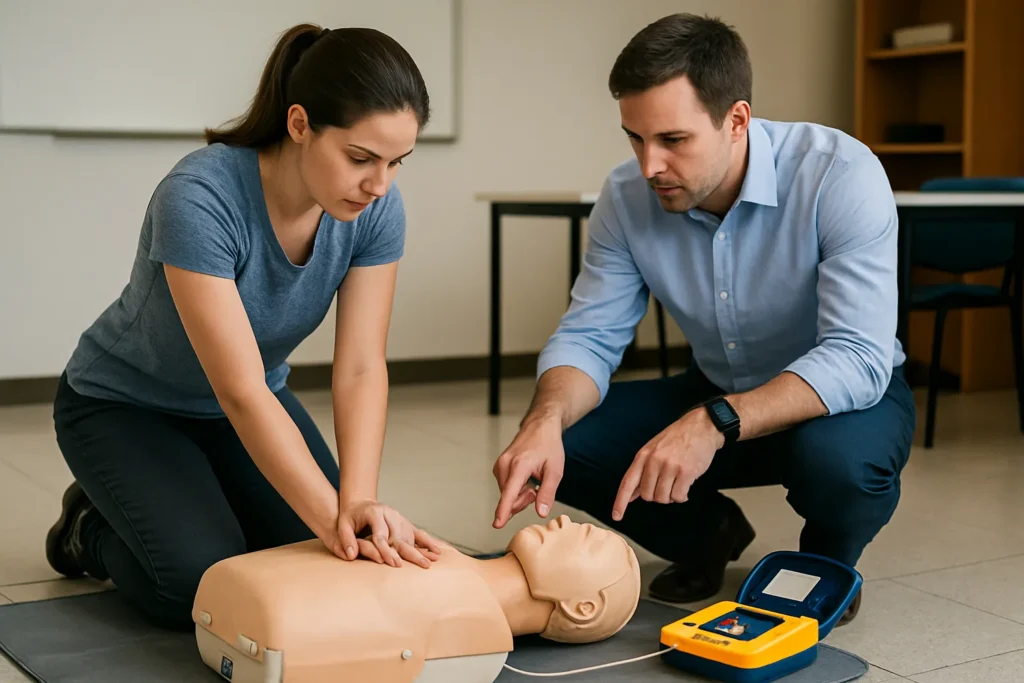
The ideal method to have fun is to make a strategy. Understand the potential hazards and what you’ll need to bring. Learn our top hiking safety tips so that you may enjoy yourself this summer without getting injured. If you do get injured, it is better to have proper training from experts. Primary Care First Aid can help you to obtain such training. You can also take our First Aid Course in Surrey for more advanced knowledge.
Stay HydratedÂ
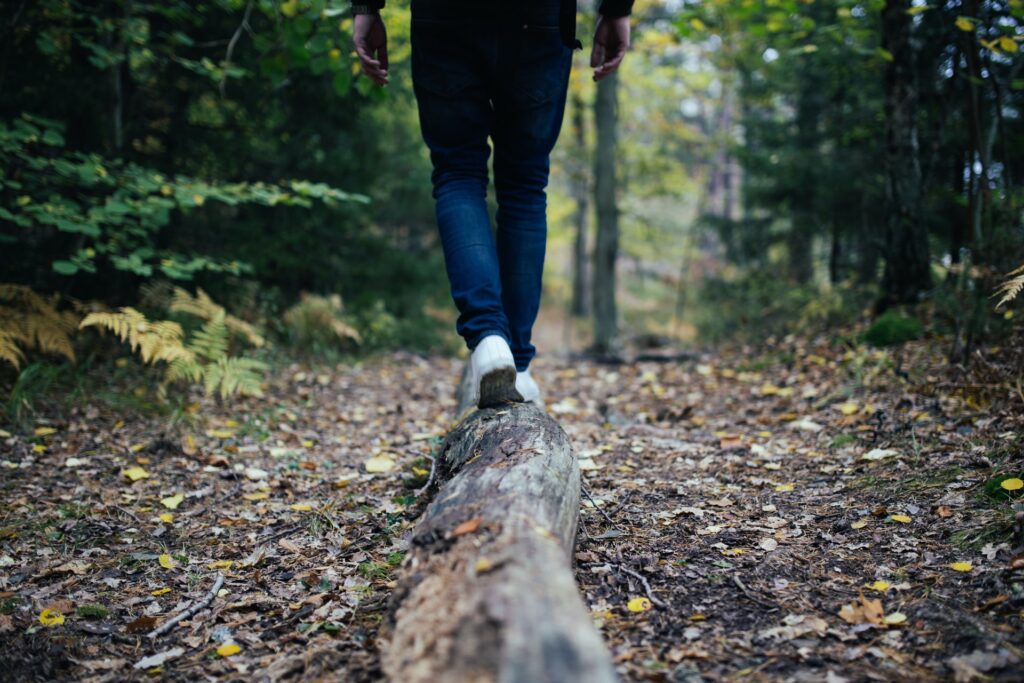
Bringing enough water on your trek is critical to avoid dehydration. Dehydration can cause headaches, a dry mouth, dizziness, and even drowsiness.
The terrain can be difficult, and it is not unusual for hiking itineraries to last two or even three hours. The summer heat may be intense, especially when walking up a hill. Packing at least 2-3 liters of water is recommended. Staying hydrated is a big part of hiking safety.
​Make a Gear List
Create a gear list to ensure that you don’t forget anything! It’s always beneficial to have an Emergency Preparedness Kit in addition to additional clothes, navigation, and shelter.
With this comprehensive Emergency Preparedness Kit for Hiking, you’ll be prepared with the necessities to deal with injuries in the wild should they occur. The following items are included for your hiking safety:
- One Light StickÂ
- Some Food Bar (409 cal per bar)Â
- A 5-in-One Survival AidÂ
- Two Emergency Water Bottles (125ml per bottle)Â
- One Emergency Poncho in case of rain
- One Box Of Waterproof Matches Â
- Some Antiseptic Wipes (Benzalkonium Chloride/BZK)
- A Multi-toolÂ
Hike Safety During the Day
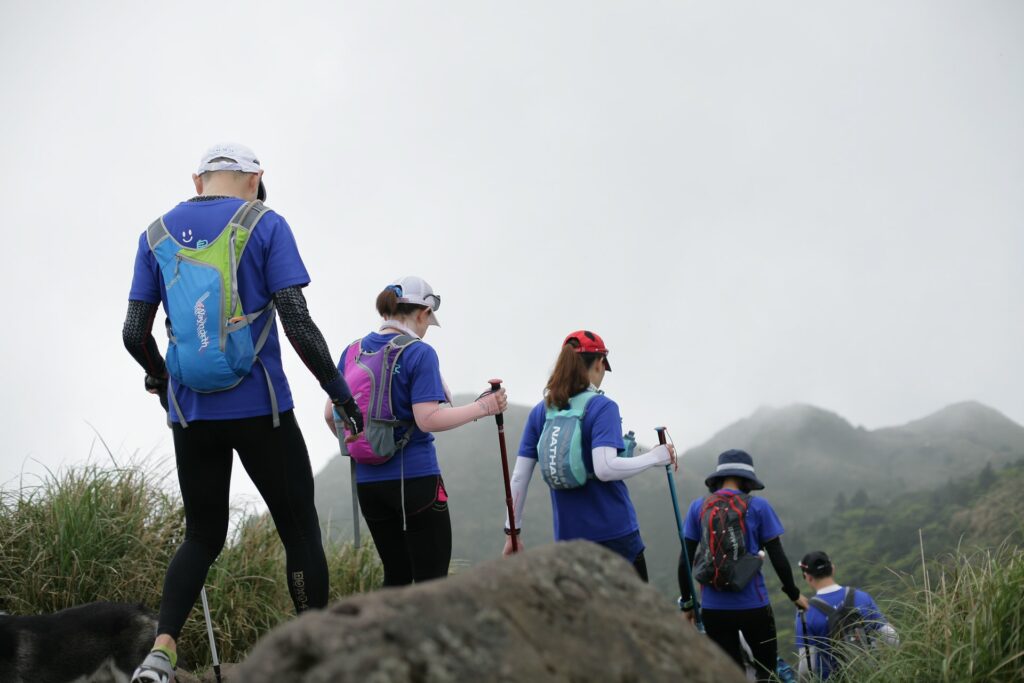
Always go for a trek during the day. Night hikes may be hazardous because they are more difficult to lose track of and harder to locate by search and rescue teams. There is also an increased danger of harm since you might fall while losing your balance.
If you’re going on a longer excursion, prepare ahead and reserve a space for camping at night. In the morning, resume your journey for increased hiking safety. First Aid Certification is essential before going on long hikes to ensure you are prepared for any emergencies.
Contact Us
If you plan on going hiking a lot, it is always a great idea to have the proper training. To get proper first aid training, you should contact Primary Care First Aid. We offer a variety of courses, including Emergency First Aid with CPR-AED Level C and Standard First Aid with CPR-AED Level C, to make sure you’re prepared for any emergency situation on your hike.