First aid training is a crucial skill that can make a significant difference in emergencies. It is important if you’re looking to gain essential life-saving skills for personal knowledge. It is part of a larger safety program. Understanding the duration and validity of first aid training is key. However, the question is how long is first aid course? The duration of a first aid course varies based on the certification level and provider. More in-depth training courses may span multiple days. Course lengths may also differ depending on whether it’s a standard or blended learning format.

Understanding First Aid Courses
First aid trainings are important training sessions that teach people how to handle emergencies effectively. They cover essential skills like performing CPR and helping someone who is choking. The main goal is to equip participants with the abilities needed to save lives and reduce injury. Learners gain valuable skills and confidence by taking this course. With this, they can make a real difference in critical situations.
Curriculum
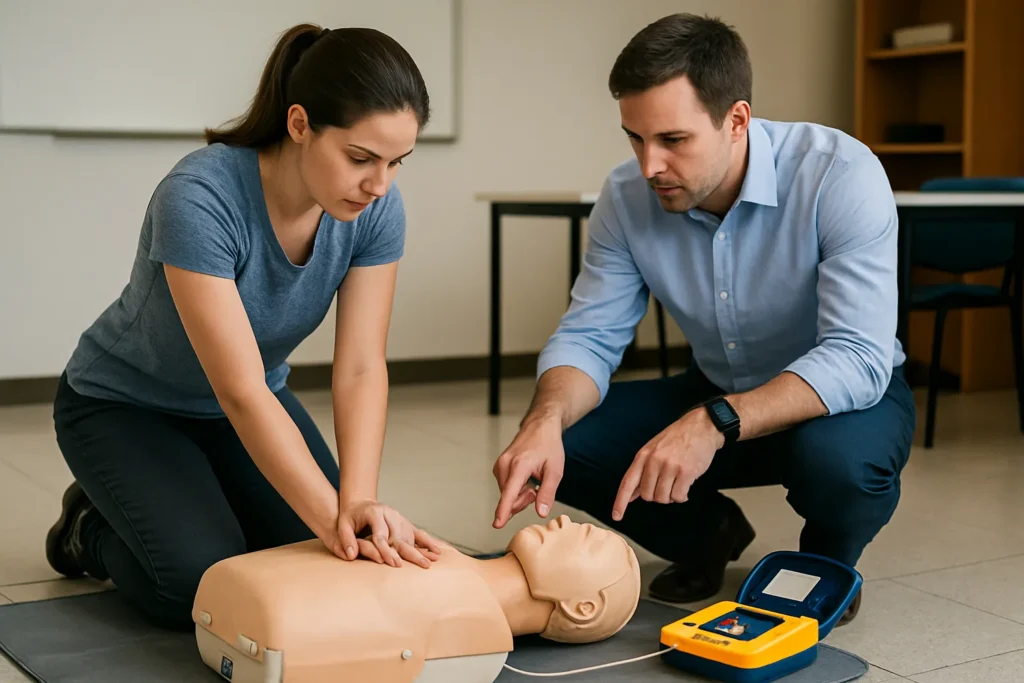
The curriculum of first aid training is designed to be accessible to everyone. It is based on their background or experience. It focuses on both theory and practical skills. It uses simulations and role-play to make learning more effective. This approach helps participants to earn their certification and gain the confidence to handle real-life emergencies successfully.
Different Types of First Aid Certification
A large selection of courses customized to various requirements and situations can be found. There is something for everyone. Ranging from basic courses for broad information to specialized training for particular contexts. You can select a course that meets your unique criteria.
Basic First AidÂ
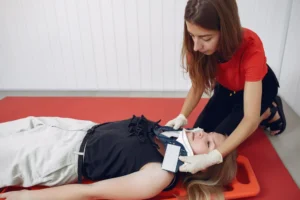
A common option is the Basic First Aid training. This covers the fundamentals of managing common injuries and crises. There are programs available for CPR (cardiopulmonary resuscitation). This frequently covers using an automated external defibrillator (AED).
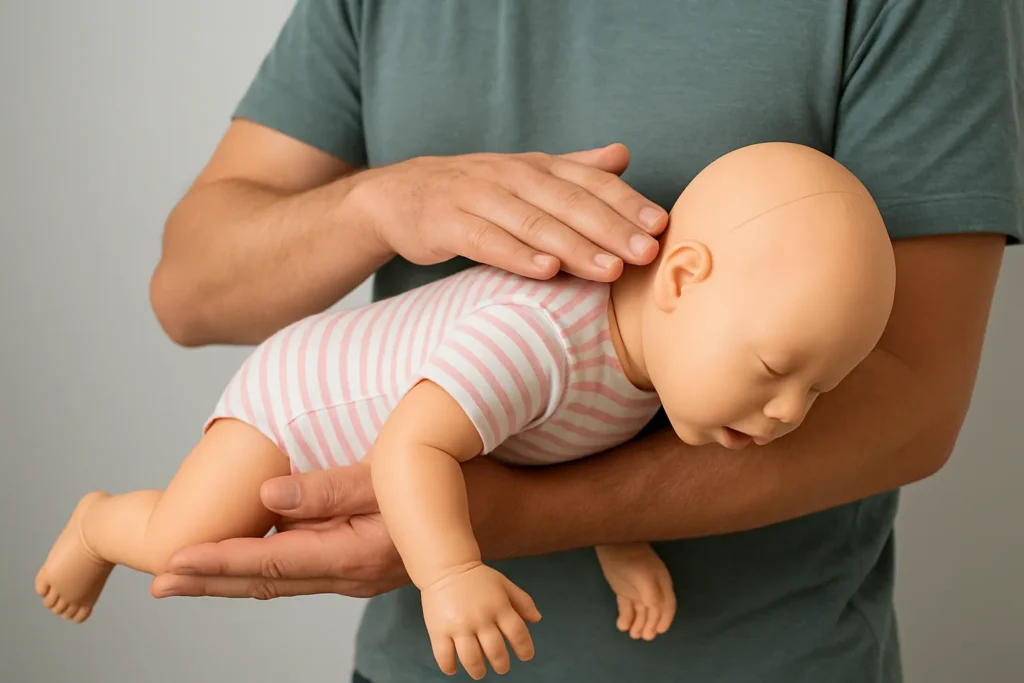
Pediatric First AidÂ
Pediatric First Aid training is tailored for those who work with or care for children. This focuses on the specific needs and medical issues they might face.
Wilderness First AidÂ
Wilderness courses and first aid provide the necessary knowledge and abilities. To manage medical emergencies in isolated locations without access to emergency hospital care.
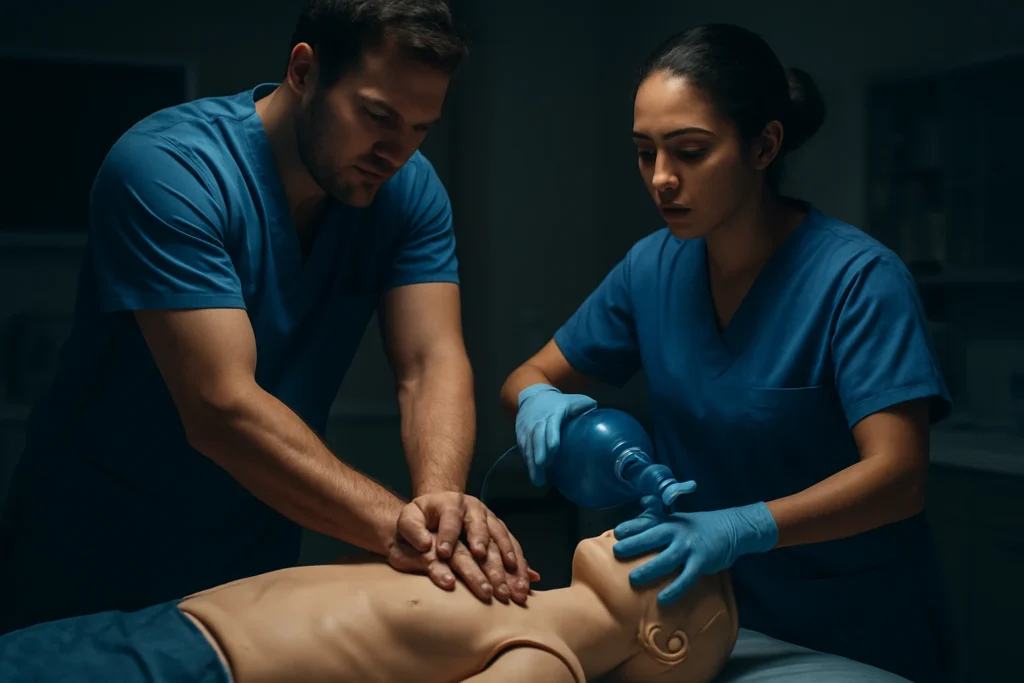
Advanced Course
There are advanced courses available for those looking to increase their first-aid expertise. This training explores deeper. It is specifically developed for trauma care and advanced cardiac life support (ACLS). This training is available to those who wish to improve their first aid knowledge deeply.
Each course type provides both the theoretical knowledge and practical skills needed to handle emergencies confidently and effectively. This structure ensures that a wide range of people can be prepared to offer critical help when it’s needed.

Typical Duration of Emergency Aid Courses
The duration of emergency aid courses is based on experience. There are four types of emergency aid courses. Each type needs different timing depending on the situation.Â
6 to 8 Hours for Basic
Basic first aid training typically lasts between 6 to 8 hours. Basic first aid training are designed to cover essential skills needed for most emergencies.
16 to 20 Hours for Advance
Advanced first aid training generally spans 16 to 20 hours. This is more comprehensive and suited for those who need a deeper understanding of emergency response.Â
8 to 12 Hours for Pediatric
Pediatric first aid training might last around 8 to 12 hours. However, a course for first aid in the wilderness might take several days.
You might need to take extra courses beyond the basic first-aid training if you want to learn advanced skills. The basic course gives a good start, but more in-depth training will be needed for advanced skills. Learning first aid knowledge is very valuable and can make a big difference in emergencies.
Factors Affecting Course Duration
The time it takes to finish an emergency aid course can vary depending on several factors. One important factor is how much the course covers. Courses that include many topics or advanced skills usually take longer to complete. The teaching methods used also affect the course length. Courses that involve lots of practice and interaction typically take more time than those that rely mostly on lectures.
Instructor Expertise and Class Size
The instructor’s skills and teaching style are also important. Experienced instructor offers detailed explanations and demos. Also, personal feedback might have longer classes to make sure everyone fully understands and masters the skills. Additionally, the size of the class matters. Smaller groups get more individual attention and interaction. This helps to improve learning but might also extend the course duration to fit in personalized instruction.
Certifying Standards
Certain certifications have specific requirements set by certifying bodies that determine the minimum course length. These rules ensure the course covers all essential content thoroughly. The duration of the course reflects the quality and depth of the training. It helps participants gain the confidence and skills needed for effective first aid.
How Long Is a First Aid Course Valid For?
First aid certifications usually last three years. This period helps people keep their skills sharp and stay updated on any new emergency response. When the certification expires, it’s important to go through the recertification process. This confirms that you can still perform first aid also includes any new practices that have been added. Certified individuals should keep track of their certification’s expiration date and plan for recertification ahead of time. Especially if their job depends on having up-to-date credentials.
Benefits of Regular Recertification
Regular recertification isn’t just a requirement. It’s a chance to keep improving and updating your first-aid skills. Since first aid practices and guidelines can change, what was once the best method might now be different. Recertification courses help you stay current with the latest knowledge and ensure your skills stay effective and relevant.
Hands-On Practice
Regular recertification offers several advantages. One of which is the chance to practice first aid methods in a safe environment. Building muscle memory is made simpler by practical instruction from skilled instructors. This makes it more likely that you will react appropriately in an actual crisis. Having practical knowledge is essential to enhancing your capacity to respond promptly.
Latest Research and Innovations
Recertification classes often include the latest research and innovations in medical technology. This means you refresh your current skills and also learn new methods and approaches. These updates can greatly improve your effectiveness as a first responder.
Collaborative Learning
Recertification courses also offer a collaborative learning environment. This is where participants share their experiences and ideas. This interaction can give you new perspectives and strategies for handling emergencies. It also helps to broaden your first-aid skills even further.
Finding the Right First Aid Course
Choosing the right first aid training involves many factors. Considering your personal needs, professional requirements, and the specific skills you want to learn. Start by figuring out why you need first aid training. Are you aiming to be better prepared for general emergencies? Knowing your goals will help you select a course that fits your needs.

Research and Instructor Credentials
Research is essential when choosing a first aid program. Look into different providers in your area and check their accreditation. Check instructor qualifications and reviews from past participants. This ensures you get recognized and reliable certification upon completion.
The Format
The course format is another crucial element to take into consideration. Which would you rather take: an online course that fits into your schedule, or a traditional classroom setting? In-person training provides direct connection and practical knowledge is beneficial to some people. Additionally, some individuals value the adaptability of online education.
Cost and Certification Value
Expense plays a significant role in your choice. Evaluate costs offered by various suppliers. Look out for a course that has a reasonable cost. A comprehensive curriculum and qualified instructors matter.
Course Duration and Scheduling
Lastly, think about the course’s duration and scheduling. Make sure it fits your available time and doesn’t interfere with your other commitments. A course with flexible options can be especially helpful for those with busy schedules.
Maximizing Your Safety Investment
First aid training is a valuable investment in safety and preparedness. How long is first aid course? Understanding the duration of different courses and the validity of certifications helps you make informed decisions about your training needs. It is important whether you’re looking to complete your initial training or renew your certification. Besides, staying updated with first aid skills is crucial for effective emergency response.