Babysitting is often the very first job for many teenagers. It is a great way to earn money and learn about responsibility. However, you might be asking yourself, How old do you have to be to become a babysitter safely?
The short answer is that most experts recommend waiting until you are at least 12 years old. It is a common question without a single simple answer. Let’s break down the rules and requirements to clear up the confusion.
Is There a Legal Age to Babysit?
You might expect a strict law that sets a specific birthday for this job. However, the legal age to babysit in Canada is not always clearly defined in every province. Some places suggest 12 years old, while others have no set number.
This lack of clarity can be frustrating for parents and teens. Most experts agree that 11 or 12 is a good starting point for shorter jobs. But age is just a number if you don’t have the right skills.
A ten-year-old might be very mature, while a fourteen-year-old might not be ready. Taking a Red Cross babysitting course can help bridge the gap between being old enough and being truly ready. This training shows parents that you are serious about the job.

Essential Skills Every Babysitter Needs
Being a sitter is about more than just playing games or watching movies. You are responsible for the well-being of a human being. There are some challenging skills you must learn to keep children safe.
Handling Medical Emergencies
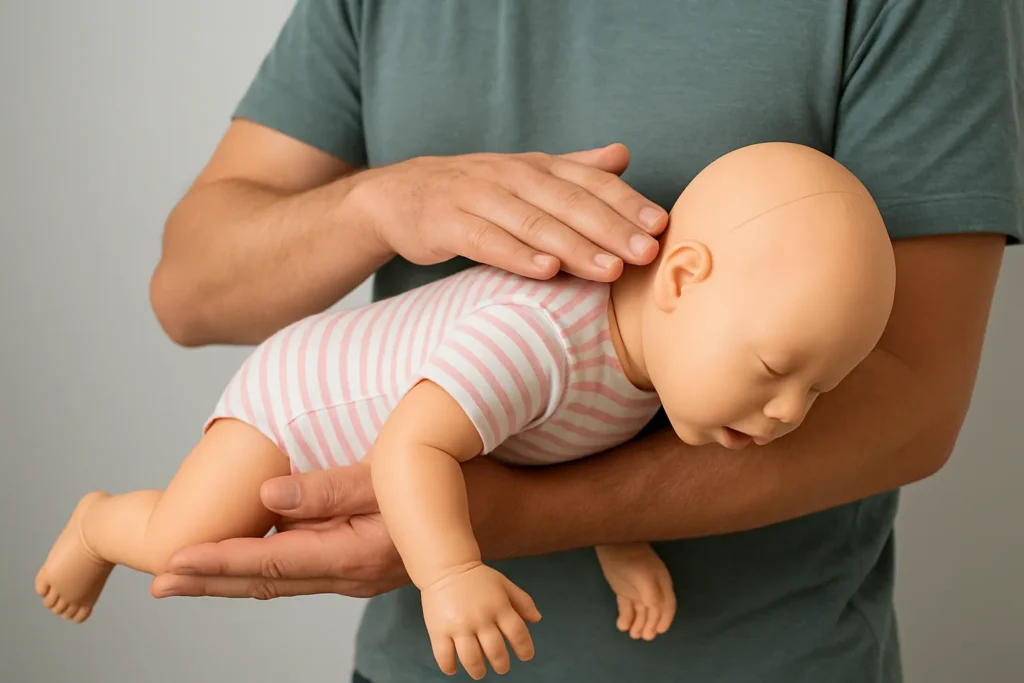
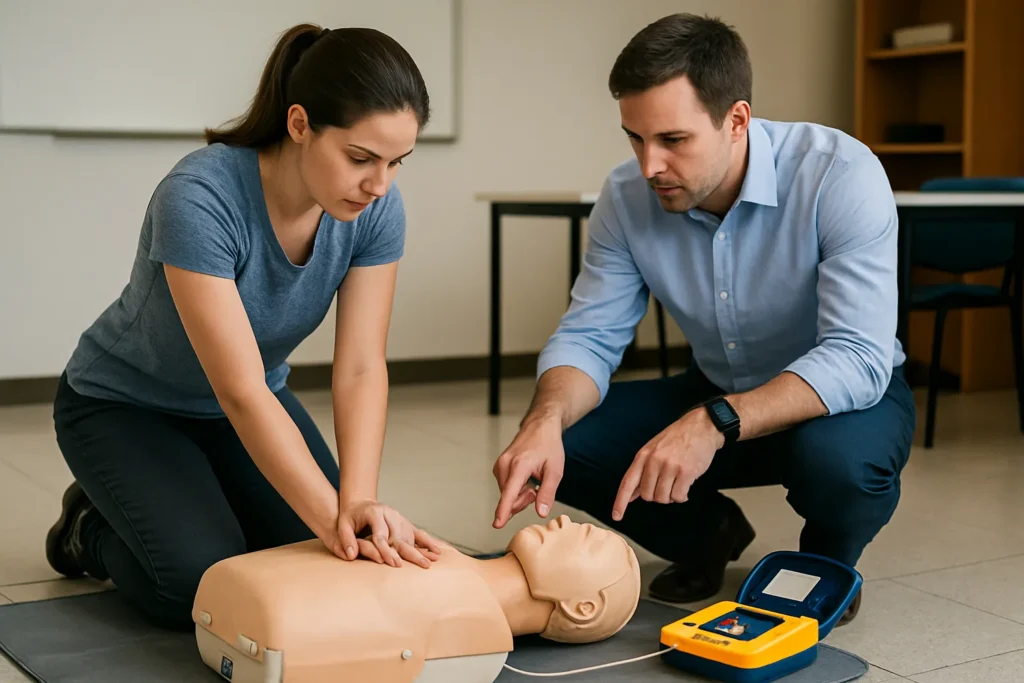
You do not need to be a doctor, but you must know the basics. Sometimes, emergencies are more serious than a scraped knee. Having a solid grasp of safety includes understanding CPR protocols and knowing when to call 911.
These skills save lives and prevent panic during stressful moments. A parent will trust a sitter who knows how to react to choking or breathing issues. It turns a scary situation into a manageable one.
Managing Minor Injuries and Illnesses
A sitter should know how to spot a fever or handle a nosebleed. This involves identifying minor medical issues and treating them calmly.
Being able to assess a situation quickly is a valuable talent. You want to know if a child needs a bandage or a doctor. This kind of judgment comes from learning the right procedures.
Recommended Training and Certification
Parents are much more likely to hire someone who has a certificate. Resources like Primary Care First Aid offer the training needed to build confidence. Here is why training is so important:
- Builds Readiness: Certification classes often cover a maturity checklist for teens to ensure they are prepared. They teach you how to change diapers, feed kids, and play safely.
- Clarifies Age Guidelines: Instructors will also discuss how old you have to be to be a babysitter for different types of families. Younger sitters might start as “mother’s helpers” while parents are still home.
- Gives You a Competitive Edge: When you show up with a card that says you are certified, you get hired faster. It shows you treat this as a real job, not just a hobby.
Tips for Parents Hiring a Young Sitter
Trusting someone with your child is a big decision. You need to make sure the teen is up for the challenge. Here are some tips for finding the right fit:

- Interview Potential Sitters: Even if you know the family, sit down and talk. Ask them scenarios to see how they would react to problems.
- Do a Trial Run: Let them watch the kids while you are still in the house. This lets you see if they put the phone away and actually play.
- Set Clear Rules: Be specific about bedtime, snacks, and screen time. Clear communication prevents misunderstandings later on.
- Ask for References: Check with neighbors or teachers. Other adults can tell you if the teen is reliable and punctual.
- Trust Your Gut: Pay attention to your feelings after the meeting. If the teen seems nervous or uninterested, it is okay to wait until they are older.
Conclusion
There is no single magic number for when a teen can start working. The answer to “how old do you have to be to become a babysitter?” depends on maturity and skill level. Training is often more important than age. Encourage teens to get certified before they start. It keeps everyone safer and makes the job more fun.