Mental and physical health are equally important in today’s chaotic workplaces. Employees who get mental support are happier, more engaged, and more productive. The workplace may become healthier and more supportive by implementing Mental Health First Aid (MHFA), which offers vital resources to ensure employees’ well-being.
In this guide, we will discuss the importance of mental health first aid and how companies can effectively execute it.
Understanding Mental Health First Aid
Understanding mental health first aid is important to build a supportive workplace wellness situation where workers feel secure. This creates a culture of awareness by offering resources to the workers they need to find out the issues and solve them.
What is Mental Health First Aid?
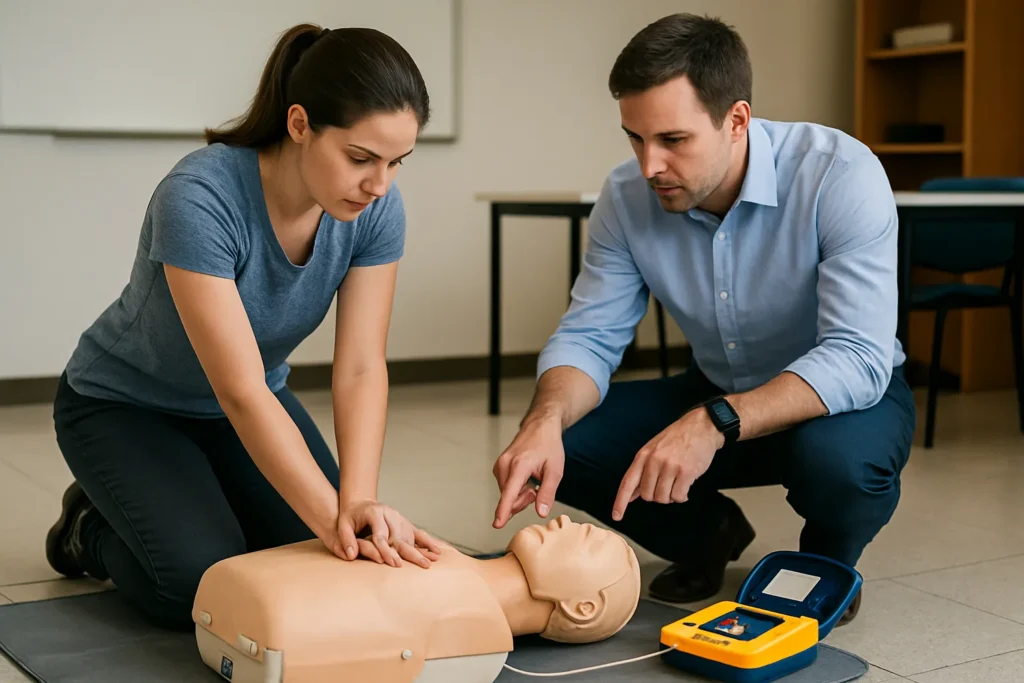
The Mental Health training program trains people how to identify, understand, and respond to mental health symptoms. It trains workers to offer immediate help until professional help is available, just as physical first aid. Its main focus is to help people who are dealing with mental health issues like stress, anxiety, or depression.Â

Â
Key Components of MHFA
MHFA training focuses on:
- Identifying signs of mental health issues, such as changes in behavior, performance, or attitude.
- Providing quick help, such as supporting expert assistance and listening without making judgments.
- Putting them in touch with resources like therapists or counselors.
Why Mental Health First Aid Matters in the Workplace
The significance of mental health first aid lies in its ability to help employers in dealing with mental health issues. It creates a supportive culture where workers feel appreciated and understood.
Reducing Stigma in the Workplace
Fear of criticism is a common reason why people are afraid to discuss mental health. MHFA removes this stigma by encouraging discussions about mental health. When workers see mental health as a priority, they are happier to ask for help. A culture at work that normalizes talking about mental health encourages understanding and acceptance.
Early Intervention and Prevention
MHFA helps in the early detection of health issues before they become more serious. For example, addressing anxiety symptoms early on can help prevent long-term stress. This approach to preventative actions improves staff flexibility and minimizes the possibility of disasters.
Enhancing Productivity and Retention
They feel supported when they are more motivated, engaged, and dedicated to their organizations. According to Deloitte research, companies that prioritized mental well-being reported higher productivity and fewer absences. Employees who believe their managers care about their well-being are more likely to stay with their company over the long run.
Steps to Implement Mental Health First Aid in the Workplace
Assessing Organizational Needs
It’s essential to understand the specific needs of your company before implementing MHFA into practice.
- Conduct focus groups or surveys to learn more about the mental health issues facing employees.
- Analyze the support systems’ problems and current resources. This data helps in customizing an MHFA program to the particular needs of your company.

Choosing the Right Training Program
Choose an MHFA program that is appropriate for your workforce.
Accreditation: Look out for programs approved by respectable associations such as the National Council for Mental Wellbeing or Mental Health First Aid USA.
Flexibility: Take into consideration if your workers would benefit more from hybrid, in-person, or online training.
Qualified Trainers: Certified and experienced instructors who are aware of workplace dynamics should be the program’s instructors.
Promoting Participation and Awareness
Use simple communication to encourage MHFA training participation.Â
- Emphasize the benefits of MHFA, including stress reduction and the establishment of a more inspiring workforce.
- Share success stories to build confidence and trust.
When employees see the benefits of MHFA, their engagement is expected to increase.Â
Building a Supportive Workplace Culture
Leadership’s Role in Mental Health
Strong leadership is important to build a healthy workspace. In this case, managers and executives can set an example by openly talking about mental health and supporting participation. They can be the role model for their team as they get leadership training.
Creating Networks of Mental Health First Aiders
A network of trained mental health professionals offers safety protection. They can connect workers to qualified help and provide immediate help. This strategy creates a feeling of community and responsibility for mental health.

Measuring the Impact of Mental Health First Aid
Metrics to Track Success
Companies can evaluate the effectiveness of MHFA efforts by:Â
- Collect employee feedback through surveys or interviews.
- Monitor changes in efficiency, absences, and turnover rates.
- Track the use of employee support programs and other mental health services.
Continuous Improvement
Mental health needs evolve, and so should your MHFA program. Regularly review and update training content to reflect advancements in mental health knowledge. Incorporate employee feedback to ensure the program remains effective and relevant.
Breaking the Stigma Around Mental Health in the Workplace
The importance of mental health first aid is crucial for each type of company. MHFA improves awareness, lessens stigma, and offers workers the resources they need to help each other. Companies can build a healthier workspace for their workers by establishing a culture of mental well-being. You need to consider the mental health of your workers and provide the resources for the growth of your company immediately.