Emergencies can happen anywhere, including at home and workplace. Understanding how to respond in particular situations can save lives. This is why everyone should learn how to use an automated external defibrillator (AED) and perform cardiopulmonary resuscitation (CPR). These two essential life-saving skills can help a person survive a cardiac emergency until medical help arrives.
This guide will discuss the significance of CPR and AED training and how workers may apply them to create a safer work environment. Employees can contribute to making the workplace safer for everyone by learning how to manage an AED as well as CPR.

CPR: The Foundation of Emergency Response
Helping someone whose heart has stopped functioning or who is not breathing is possible with cardiopulmonary resuscitation (CPR). To keep up the flow of oxygen in the body, it involves putting pressure on the chest and breathing. Without oxygen, a person may die in a matter of minutes or have brain damage. CPR can keep a person alive until emergency personnel arrive.Â
Knowing to do CPR helps workers to respond quickly to crises. Timing is everything during a cardiac arrest. Immediate CPR may improve survival chances by two or even three times.
How to Perform CPR Effectively
It’s easy to perform CPR if you follow these steps:Â
Check for Safety: Make sure both you and the person who needs help are safe in the area.
Assess the Person: “Are you okay?” ask loudly as you tap their shoulder. Contact emergency services or ask someone else to do so if no one answers.
Start Chest Compressions: Put your hands on the chest’s center. Push quickly and forcefully at a pace of 100–120 compressions per minute, approximately 2 inches deep.
Provide Rescue Breaths: Every 30 chest compressions, provide two breaths. Breathe into their mouth, squeeze their nose, and tilt their head back until their chest rises.Â
Continue Until Help Arrives: Continue doing CPR until that person starts to breathe or medical help arrives.Â

Benefits of CPR Training for Employees
Employees benefit from receiving CPR training:
- React confidently during emergencies.
- Save lives in and outside of the workplace.
- Build teamwork and a sense of responsibility.
The Role of AED in Saving Lives
An AED is a portable device that uses an electric shock to restart a heart. People who are in cardiac arrest use this device. Even those without medical experience may easily use an AED due to its user-friendly design.
The device provides the user with step-by-step vocal instructions. It only shocks the heart as necessary after analyzing its rhythm. AEDs are vital emergency equipment since they are secure and efficient.Â
The Importance of Rapid Defibrillation in Cardiac Arrest Cases
For every minute without treatment after a heart attack, a person’s chances of survival decrease by 10%. Quick use of an AED can save their lives by restoring the heart’s rhythm. AED and CPR cooperate to improve results. An AED can restart the heart while CPR maintains the flow of oxygen.Â
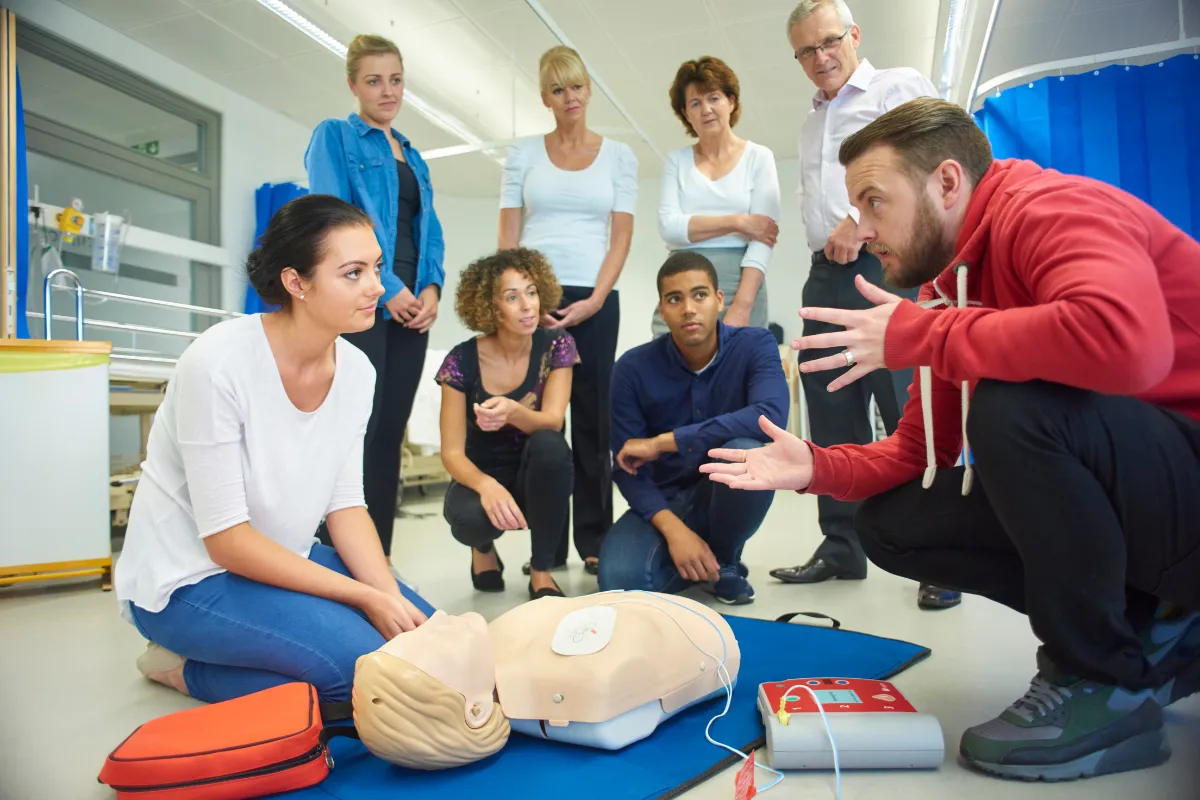
AED Training: Building Confidence to Use the Device
- Recognize when to use an AED.
- Follow the device’s instructions.
- Stay calm during a high-pressure situation.
During AED training, employees practice using AEDs, which gives them the confidence to respond quickly in actual crises. Organizations should make sure that workers are trained to use AEDs and that they are set up in easily accessible areas.Â
Integrating CPR and AED Skills into Workplace Safety
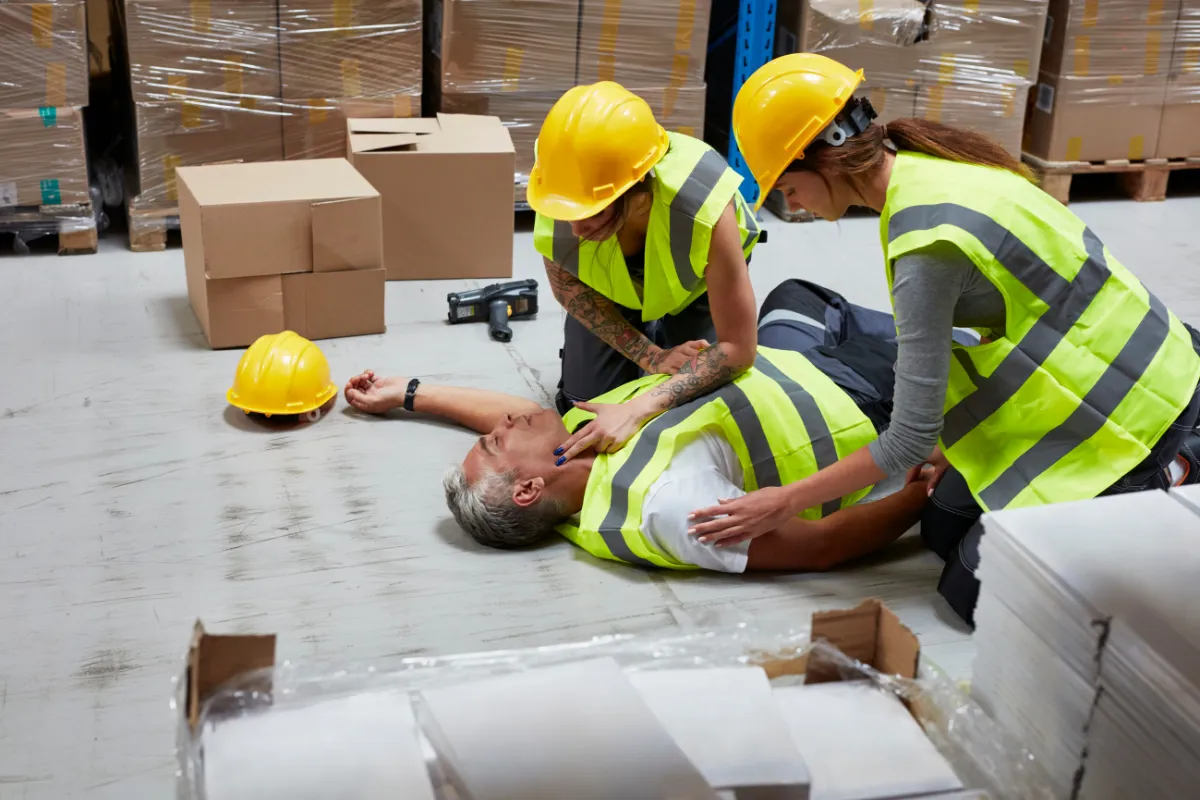
Medical emergencies, including heart arrests, frequently happen in workplaces. Companies can train their workers to respond appropriately by providing CPR and AED training. While they wait for medical personnel, trained employees can save the life of a coworker.
Making life-saving skills a priority additionally indicates to staff that their safety is important. This improves spirits and creates a culture of duty and caring.
Creating a Workplace Safety Plan That Includes CPR and AED Preparedness
Provide Training: Plan regular training sessions for employees on CPR and AED use.
Install AEDs: Place AEDs in places that are easy to see and reach. Make sure they are fit for use and maintained.Â
Practice Emergency Drills: To make sure workers know what to do in an emergency, conduct exercises.Â
Assign Roles: Assign team members to take charge of the response in case of an emergency.
Review and Update Plans: Update the safety plan regularly with any changes in the workplace or new training.Â
The Benefits of Empowering Employees with Life-Saving Skills
Providing workers with life-saving skills like emergency response training, CPR, and first aid goes beyond their jobs. These skills not only allow workers to deal with stressful situations with assurance, but they also promote safety.
Reducing Workplace Fatalities Through Preparedness
Employees who get CPR and AED training may significantly reduce the percentage of people who die from cardiac crises. When workers are conscious of what to do, they may take swift action, increasing survival rates and reducing the impact of delaying treatment.Â
Building a Culture of Safety and Responsibility
Employees feel empowered and responsible for their coworkers’ well-being. Within the company, this shared responsibility improves trust and collaboration.Â
Take Action Today for a Safer Tomorrow
First Aid training is an essential skill that all employees should have. In the case of a cardiac emergency, these life-saving methods can make all the difference. Employers can make workplaces safer and more prepared by including CPR and AED training in their safety policies.
Take the first step today. Give your workers the training they need to prevent casualties and make the workplace safer for everybody.Â
