Burn injuries can occur in the blink of an eye. However, knowing how to respond quickly can make a major difference. No matter whether it’s a minor burn from a kitchen accident or a more serious one.
Understanding the importance and what to do immediately after a burn will help you heal more quickly and with less difficulty. In this guide, we will cover all the important information on first aid for burn injuries and advice for treating burns properly.

Why Safety Training is Important for Burn Injuries
Safety training is essential for avoiding accidents, reacting swiftly, and reducing the intensity of burns. ÂÂ
Prevents Accidents
People who get safety training are better able to avoid burns and understand their typical causes. People are more motivated to take measures and lower their risk of burns when they know possible risks, such as hot surfaces or chemicals.ÂÂ
Teaches Proper Response
In the time of a burn injury, quick and proper action can prevent further harm. Safety training teaches the correct first aid procedures, ensuring that injuries are managed effectively before professional help arrives.
Reduces Severity of Injuries
People are more likely to figure out the severity of a burn and take the necessary precautions if they have the proper safety training. This training reduces the risk of issues like infection or irreversible scarring.

Promotes a Safe Environment
Frequent safety training develops an educated culture in both the home and workplace. Everyone is better prepared to stick to safety procedures by learning first aid courses and keeping burn safety a top priority.
Signs and Symptoms of Burns
Effective treatment of burns depends on early identification of signs and symptoms, which may vary in intensity. Here’s what to look for:
- Redness and Pain
- Blistering
- Charred or Blackened Skin
- Swelling and Inflammation
- Peeling Skin
Immediate Steps for Burn Injury First Aid
Following a burn injury, quick and proper actions can help in healing and save additional harm. If necessary, these actions may help reduce discomfort and get the patient ready for expert medical attention.
Assess the Severity of the Burn
The first thing you need to do is determine how serious the burn is. If the skin is red, painful, or swollen, it’s a minor burn. For blisters or charred skin, the burn is more severe, and you should seek medical help immediately.
Stop the Burning Process
Remove the victim from the burn’s cause as soon as possible. Stop, drop, and roll to put out the flames if it’s coming from a fire. If hot liquids or chemicals are the source of the burn, get away from the area and take off any contaminated clothing with caution.ÂÂ
Cool the Burn
Using cold water to cool the burn lowers the skin’s temperature and stops more damage. Take at least ten minutes soaking the affected area in cold water. Use a cold compress if that isn’t possible.ÂÂ
Protect the Burn Area
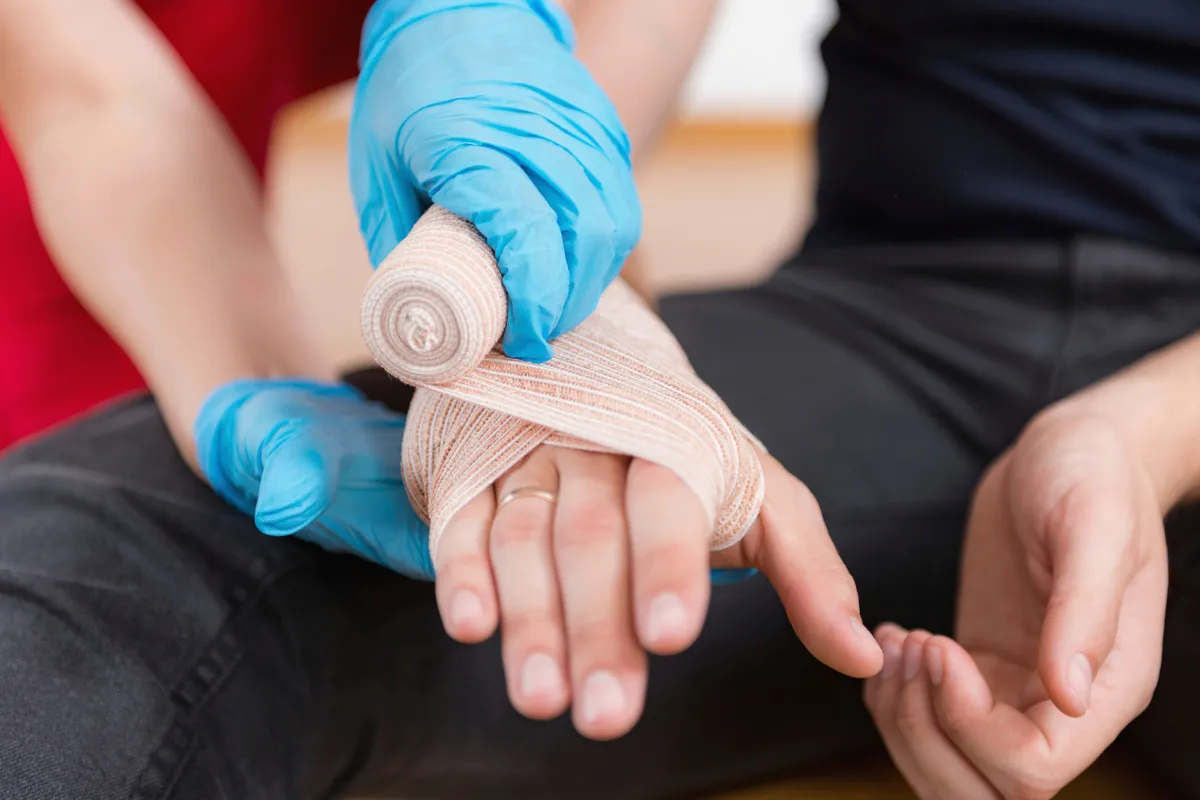
Cover the burn with a fresh, non-stick bandage or towel after it has cooled. This lowers the chance of filth and illness in the area. Stay clear of anything that might remain to the burn, such as cotton.ÂÂ
Relieve Pain
To ease pain, you can give prescribed pain relievers like ibuprofen or acetaminophen. Be sure to follow the dosage instructions carefully. Avoid applying ice or creams that can irritate the burn further.
Monitor for Shock
Look for symptoms of shock, such as fast breathing, disorientation, or fainting. Lay the victim down, keep them warm, and get emergency health care immediately if they happen.ÂÂ
When to Seek Professional Medical Help
For successful recovery following a burn injury, it is important to know when you need expert medical help. These are important signs to ask for medical help:
- Severe Burns
- Signs of Infection
- Breathing Problems
- Pain Is Uncontrolled
- Signs of Shock
- Chemical Burns
In case you are doubtful about the nature of a burn, it is always best to be safe and get medical care.
Prevention Tips for Burn Care
Keeping yourself and other people safe needs to avoid burn damage. Simple safety measures may significantly reduce the chance of burns. Here are some practical prevention tips to help you stay safe and prevent burns.
- Use Caution in the Kitchen
- Install Smoke Detectors
- Keep Flammable Materials Away from Heat Sources
- Teach Fire Safety to Children
- Wear Protective Clothing
- Use Sunscreen
- Properly Handle Chemicals

Be Prepared and Act Fast
Knowing the right first aid for burn injuries can significantly lowers discomfort and stop more harm. From assessing the severity of the burn to cooling and protecting the affected area, quick action is key. Never forget to get specialized medical treatment if you have serious burns or notice any problems. By staying informed and prepared, you can help manage burn injuries effectively and ensure a safer environment for everyone.
