Every minute counts in an emergency and first aid training could be the difference between life and death. So it is necessary to learn first aid training. No matter whether it is online, in-person, or blended training. However, blended first aid training provides online and in-person training practices.ÂÂ
As a result, you can start your learning process from home at your own pace. Let’s have a look at detailed information about the training methods and benefits.
What is Blended First Aid Training?
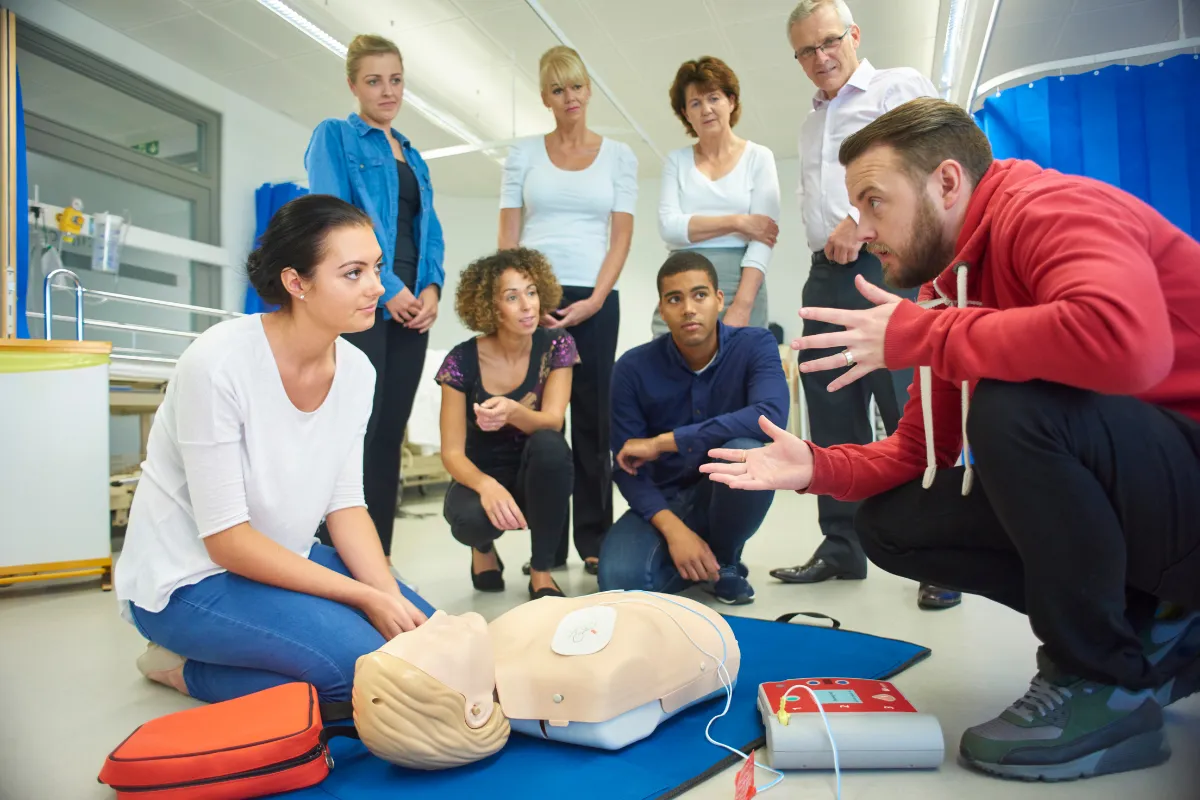
Blended training basically combines two types of training, such as online and in-person. You can learn the theory and the fundamentals at your own pace by utilizing online platforms. To test your knowledge, you can read materials, watch videos, and take quizzes.
You will practice your skills in an in-person session. These practical sessions focus on bandaging, CPR, and other emergency techniques.

Benefits of Blended Learning
Blended training provides a hybrid strategy that maximizes online first aid training. It also offers offline advantages. Let’s look at some of the main benefits:ÂÂ
Flexibility and Convenience
The online portion lets students finish theoretical courses while the in-person classes emphasize practical skills. Training and other responsibilities mix well with this approach.
Interactive Learning
Online modules usually incorporate interactive information and videos to keep learners interested. Besides, in-person training provides hands-on experience that helps boost the principles.
Hands-On Skills Application
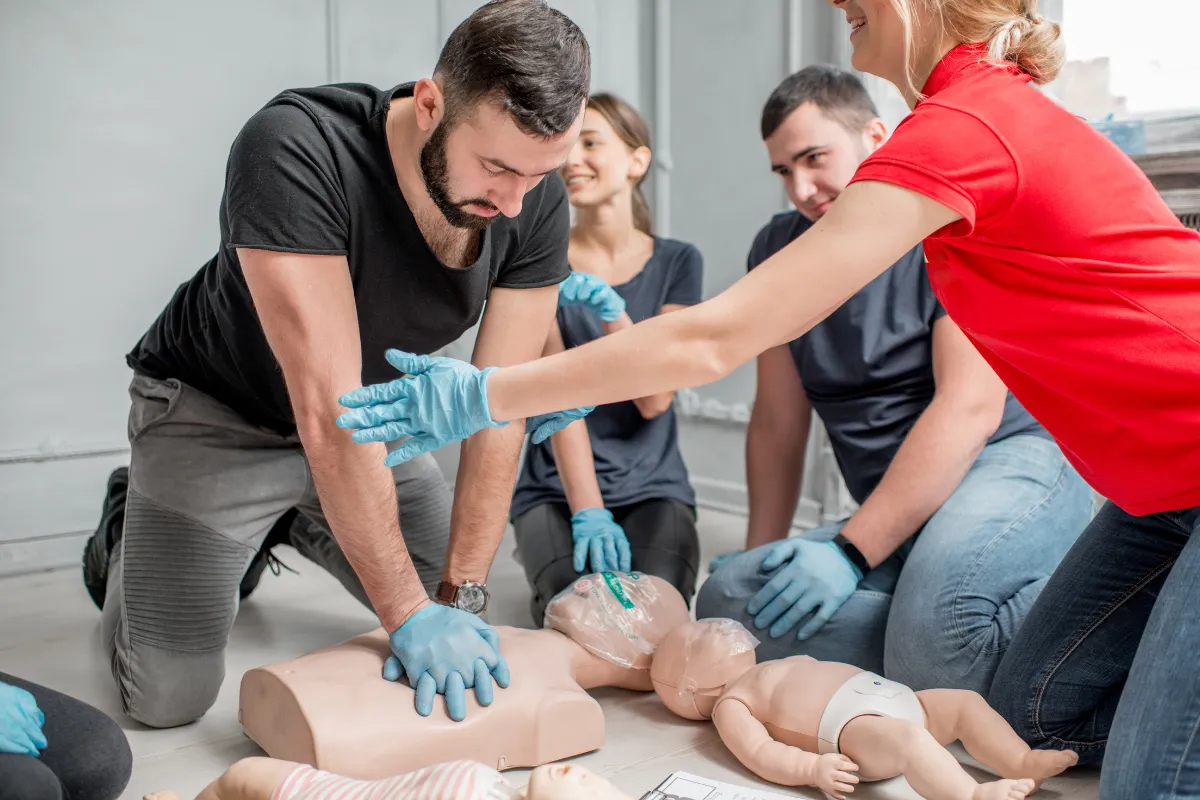
Applying theoretical knowledge in practical situations is the main goal of in-person learning. In this step, students can practice CPR, wound care, and other first-aid skills under the supervision of their instructors.
Immediate Feedback and Support
During in-person training, teachers can give direct feedback and answer any questions. This ensures that students completely understand the proper way to follow first aid techniques.
Certification with Practical Competence
Blended learning ensures that the students can do all the activities that they’ve learned. Successful completion of both the theoretical and practical sessions usually leads to certification.
Better Retention of Knowledge
Remember that self-paced learning and practical skills together can improve training. Practice strengthens theory and makes students better able to react in an emergency.
Social Network and Team Learning
In-person sessions also allow you to collaborate and learn from one another. This way you’ll be confident and know how to respond in team-based emergency situations.
Cost-Effective
Blended training is more cost-effective than completely in-person programs. The online session removes the need for repeated in-person meetings. However, even in-person sessions may be more costly than online.
Reduced Time Commitment
Learners can make better use of their limited in-person time by applying their abilities through the online execution of theoretical skills. This leads to more effective and overall time-commitment training.
Access to Updated Content
The online learning can be easily updated to reflect the latest first aid guidelines and best practices. This ensures learners receive the most up-to-date information and techniques.
Motivation and AccountabilityÂÂ
The blended approach can help some learners stay more motivated as students go through the online modules before the in-person session. Overall, the students ensure that they are ready to apply what they have learned.
Choosing the Right Blended First Aid Course
Blended courses offer flexibility with a combination of online and offline learning. It’s important to consider factors like course content and instructor. Let’s talk about it in more detail:
Accreditation and Certification
Check the course’s accreditation from reliable organizations such as the Canadian Red Cross. This ensures that the certification is valid and accepted in emergencies.
Course Content
It is important to review the course outline to ensure it covers all essential areas. This includes emergency response protocols, basic first aid, and injury management.

Flexibility and Learning Format
Blended courses offer a combined online education with hands-on practices. So, choose a course that offers practical experience for skill development together with a flexible online part that works with your schedule.
Experienced Instructors
Make sure the instructors are qualified and capable of offering concise advice. Additionally, you can look further for instructors who have real emergency experience.
Course Reviews and Reputation
Search for evaluations or recommendations from previous participants. A reputed institution with positive feedback will ensure the quality of its training program.
A Flexible Approach to Lifesaving Skills
Blended First Aid training provides the practicality of online learning and in-person sessions. This approach provides flexible and effective training. It helps you gain essential skills and be ready for emergencies. This is a great choice whether you’re new to First Aid or refreshing your knowledge.
