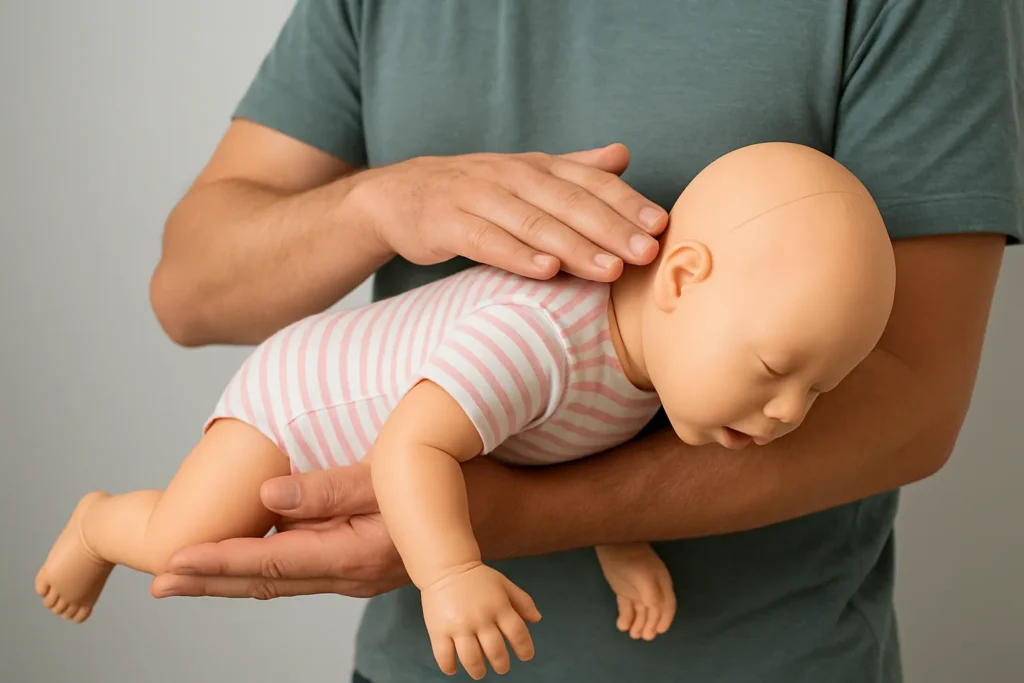
CPR Certification is an achievement that helps someone demonstrate their skills in cardiopulmonary resuscitation. The ability to perform CPR can enable you to help others who are experiencing a medical crisis but are unable to seek help on their own. In the Primary Care First Aid post, we go over the requirements of obtaining a CPR certification.
What Is A CPR Certification?
With a CPR certificate, the carrier is authorized to administer life-saving procedures to a person who is unable to breathe on their own due to suffocation, near-drowning, or other life-threatening conditions. Holders of CPR certification learn cardiopulmonary resuscitation procedures.
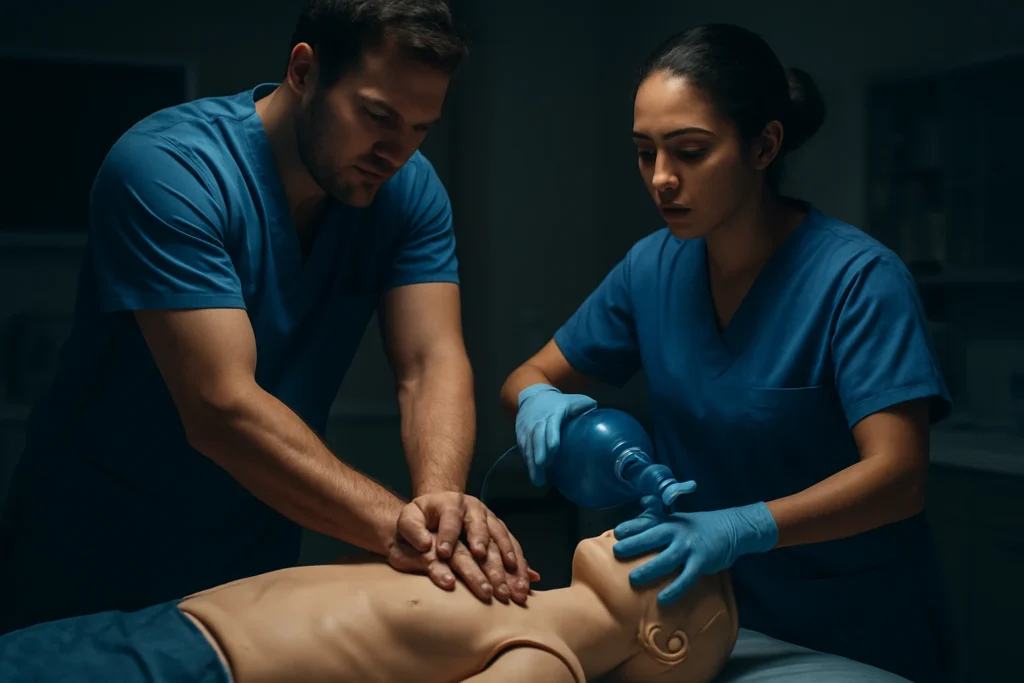
Chest compressions and rescue ventilation work together to increase blood and oxygen flow throughout the body. This increases the patient’s chances of full recovery without long-term consequences.
How To Get A CPR Certification?
Let’s know how you can get a CPR certification-
- Be Sure Which CPR Certification Type You Want
Before enrolling in a CPR certification course, consider conducting some research to see which course is the best fit for your career objectives. Depending on why you want to become certified in CPR, you can look into our courses.
The minimum amount of CPR training allowed for physicians is CPR certification for professional rescuers. It’s helpful in low-risk settings such as doctor’s offices and outpatient rehabilitation facilities. You may need advanced cardiovascular life support certification if you want to work in a hospital with high-risk patients.
- Locate A Live Class
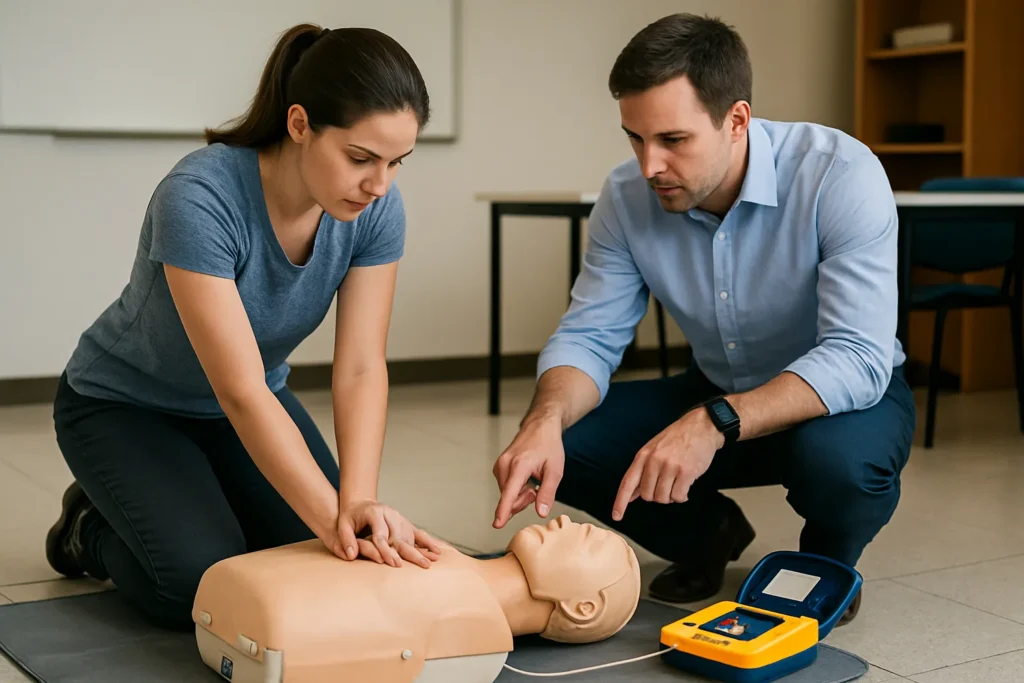
Once you’ve decided what level of CPR certification you want to achieve, find an on-site course in your area. Mastering the technique requires real-world practice, and a private course can help you get the guidance and feedback you need from your instructor on how to grow better.
- Make Sure You Enroll In An Approved Course
A certificate proving your training in CPR can be obtained from almost any commercial organization. Most employers will only accept courses approved by the American Red Cross, or National Safety Council. Before you enroll in a course, ask your employer what classes they offer. Here you can contact us to enroll in the class.
- Enroll In and Participate In The Course
You can enroll in a course that suits your needs, take the course, and learn the right method. Pay attention to the instructor’s demonstrations, take notes, and read the homework assignments. When you’re ready, practice on the models. Ask any questions whenever you feel necessary.
- Try The Test
You can take the exam to get your CPR certification if you pass it at the end of your class. Students are often required to present an exhibition in person during the examination. Some tests may even have a written portion that allows students to demonstrate their understanding of details, such as appropriate depth and amount of compression.
- Renew Your CPR License
Some employers demand that their staff members renew their CPR licenses. This renewal demonstrates that they are still competent in CPR. You might need to retake the entire course or go through a streamlined renewal process, depending on the initial course you took.