The basic goal of first aid treatment is to prevent unintentional death by taking early, decisive action. This calls for some first aid materials and first aid instruction. A person who has received quality first aid training or knowledge can confidently decide what to do in the event of an illness or injury, potentially saving lives. It’s helpful to keep a first aid kit both at home and work. So today’s Primary Care First Aid article is about the 5 major objectives of first aid treatment!
5 Main Goals Of First Aid Treatment
Now let’s know the 5 main goals of first aid treatment-
- Preserve Life
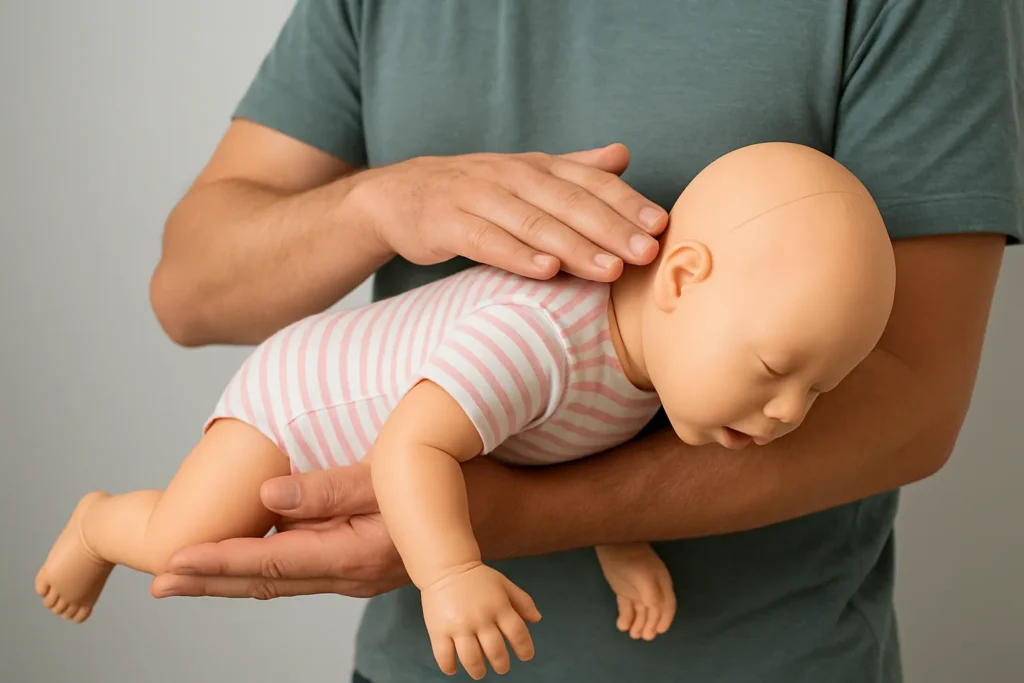
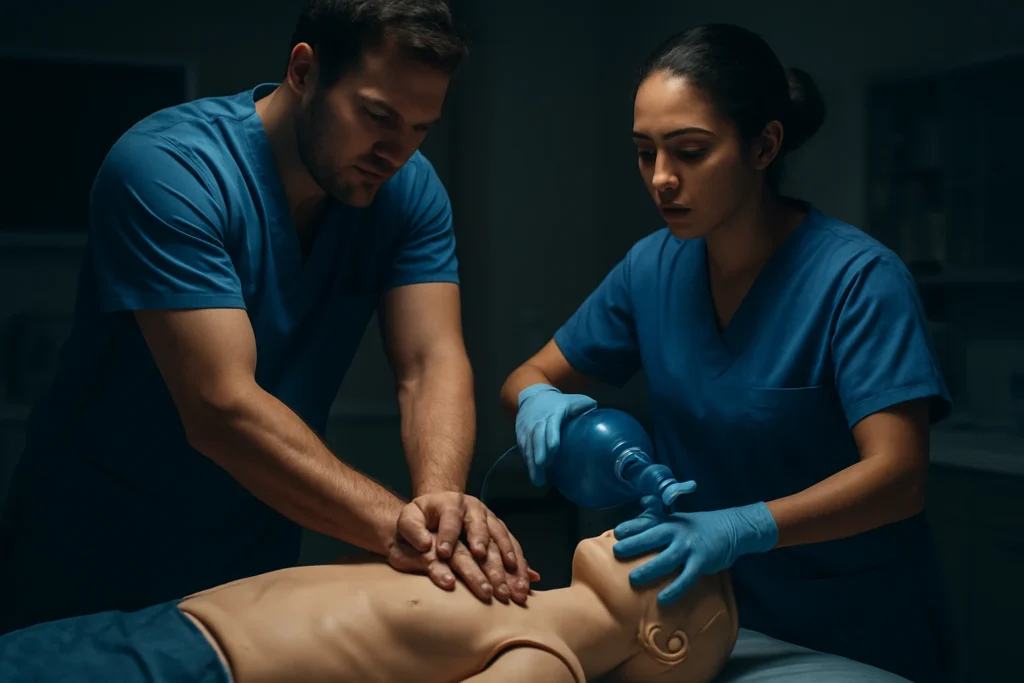
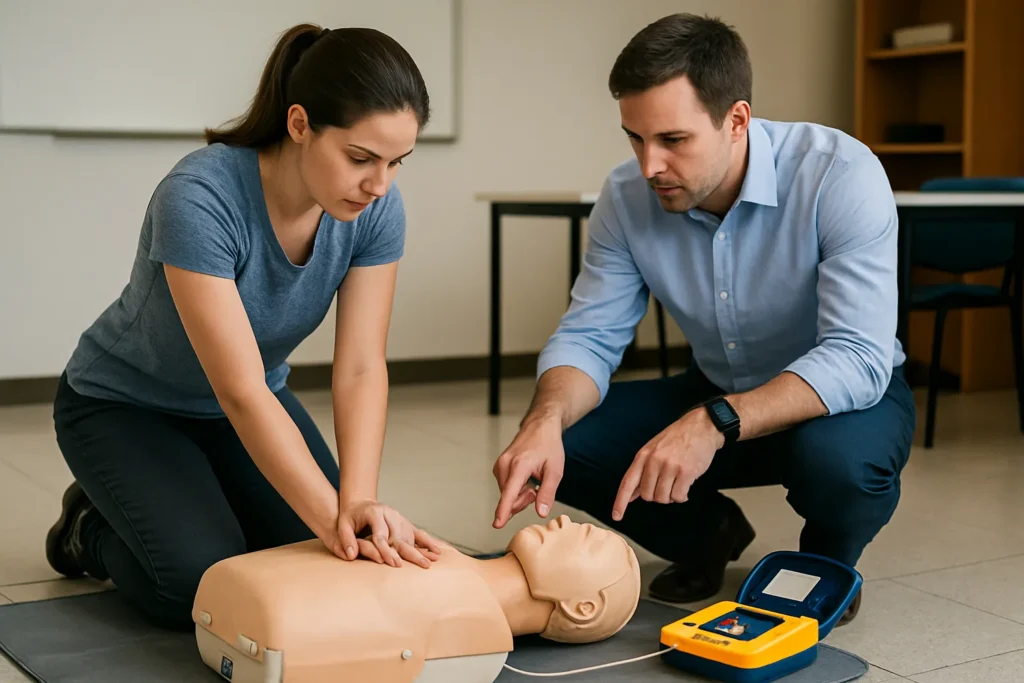
First aid treatment is mostly performed to save a life. This ensures that the person’s injury does not pose a threat to their life. It mandates dialing 911 as soon as possible and, in critical situations, performing CPR.
To determine whether an injury is life-threatening, a person who has first aid training should also look for vital signs. These indicators include breathing, movement, responsiveness, the presence of a heartbeat, and any serious external injuries.
- Prevent Injury Deterioration
A first aider shouldn’t attempt to move a patient if he is bleeding or lacerated to stop the injuries from worsening. Disinfecting the wound with antiseptics will prevent future infections and other problems. If there’s a fracture, immobilize the body part and use something soft to cushion the part. Eliminate any hazards that could exacerbate the damage.
- Alleviate Pain
The first aid treatment is to make the patient as comfortable as possible to reduce pain. This may include administering painkillers, elevating the affected area, and applying ice packs.
- Aiding Recovery
Both immediately and over time, first aid helps heal wounds. Applying pressure to the bleeding and covering the wound with bandages will aid in recovery. To apply pressure to the bleeding area and prepare additional support, you must first convince the patient to do so. The first aider should perform this task for the patient if they’re incapacitated by the injury. Advise the patient on what they can do at home, such as changing the bandage daily to prevent infection.
- Safeguard The Unconscious
Those who are unconscious are more vulnerable and need more protection. First, identify any potential hazards on the person and remove them. This protects both first responders and the unconscious from further harm. Next, look for important vital signs.
If you can’t hear a heartbeat, you may need to start CPR. Place the person in a recovery position, such as lying on their side with one arm supporting their head unless you believe they have a spinal cord injury.
Want To Get Trained Under Our Expert Supervision?Â
First aid and CPR certification training are offered by Primary Care First Aid. We offer basic training to anyone who wants to learn, including healthcare professionals like nurses and doctors. You can learn how to be more prepared for most emergencies here. Please contact us if you want to know more details!