In today’s world, a job should be a place where you grow, not a place where you get hurt. Whether you work in a quiet office, a busy hospital, or a loud construction site, safety is the most important part of your day.
Essential Occupational Health and Safety (OHS) courses are designed to give workers and bosses the tools they need to stay safe. These courses teach you how to spot danger, how to use safety gear, and what to do if something goes wrong. This guide will explain why these courses matter and how they help protect everyone at work.
What is Occupational Health and Safety?
At its heart, OHS is about making sure every worker goes home healthy at the end of their shift. An OHS course covers the basics of how to keep a workplace running smoothly without accidents. Understanding the importance of First Aid Certification for Workplace Safety is the first step in building a secure environment.
When you take a safety course, you learn the “three big steps”:
- Identify: Look around and find things that could cause a problem.
- Assess: Decide how dangerous that problem really is.
- Control: Find a way to fix the problem or protect people from it.
By learning these steps, employees feel more confident. They stop being “just workers” and start being “safety leaders.”
Spotting Common Workplace Hazards
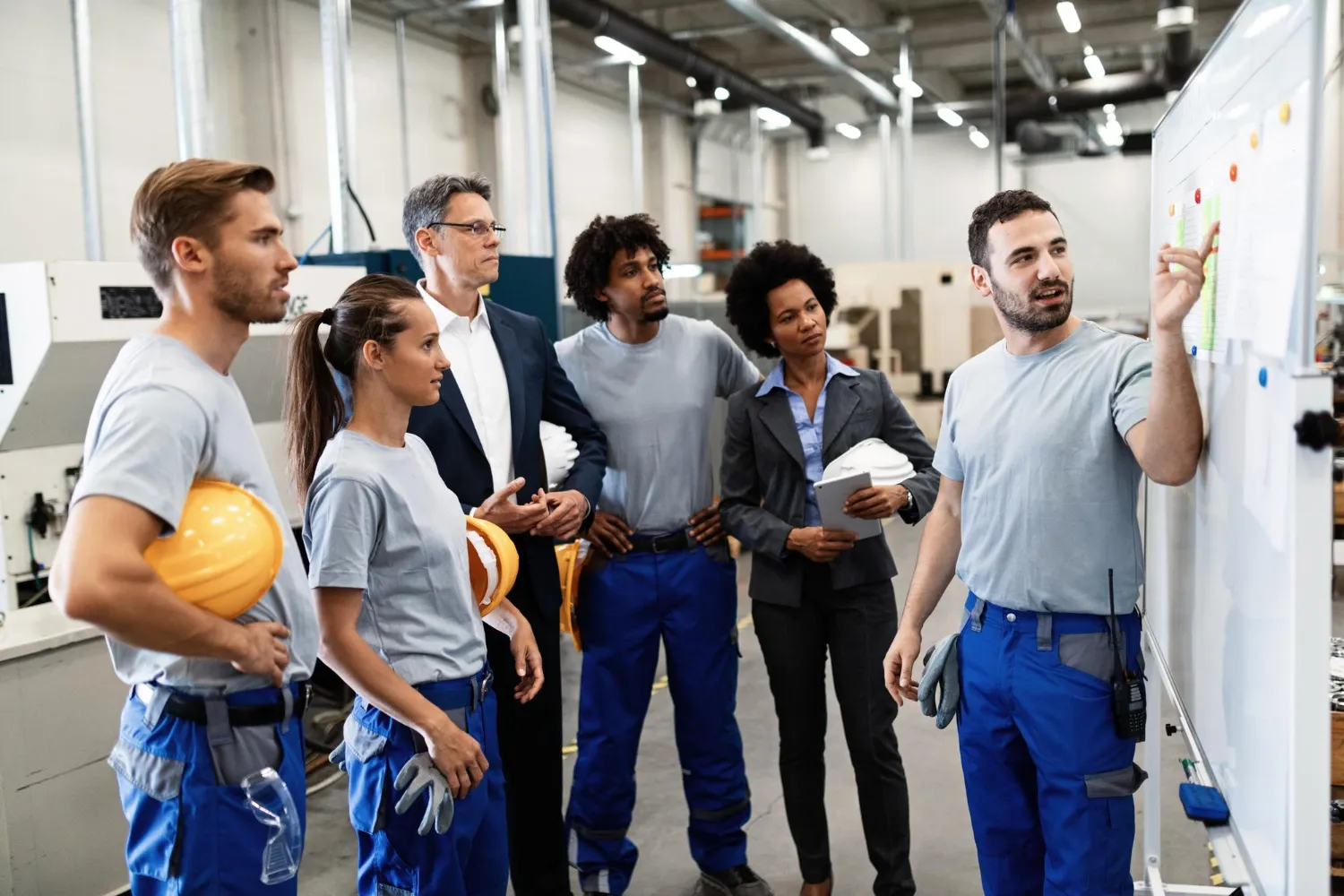
Every job has its own risks. If you don’t know what to look for, you can’t stay safe. Most Essential Occupational Health and Safety Courses teach you about these common dangers:
- Physical Hazards: These include wet floors that cause slips, messy hallways that cause trips, or loud noises that can hurt your hearing.
- Chemical Hazards: Many jobs use cleaning supplies or industrial chemicals. If these aren’t handled correctly, they can cause skin burns or breathing problems.
- Ergonomic Hazards: This is a fancy word for how you sit or lift things. If you sit at a desk with a bad chair or lift heavy boxes with your back instead of your legs, you can get a long-term injury.
- Biological Hazards: In places like schools or hospitals, germs and viruses are a big concern. Safety training teaches you how to stop the spread of illness.
Using PPE (Personal Protective Equipment)
You wouldn’t play football without a helmet, right? The same logic applies to work. PPE is your “last line of defense.” Safety courses teach you how to choose and use the right gear, such as:
- Safety Glasses: To protect your eyes from dust or flying sparks.
- Gloves: To keep your hands safe from sharp edges or hot surfaces.
- Hard Hats: To protect your head on construction sites.
- Respiratory Masks: To make sure the air you breathe is clean.
A good course doesn’t just tell you to “wear the gear.” It teaches you how to check if the gear is broken and how to store it so it lasts a long time.
Emergency Response: Being Ready for Anything
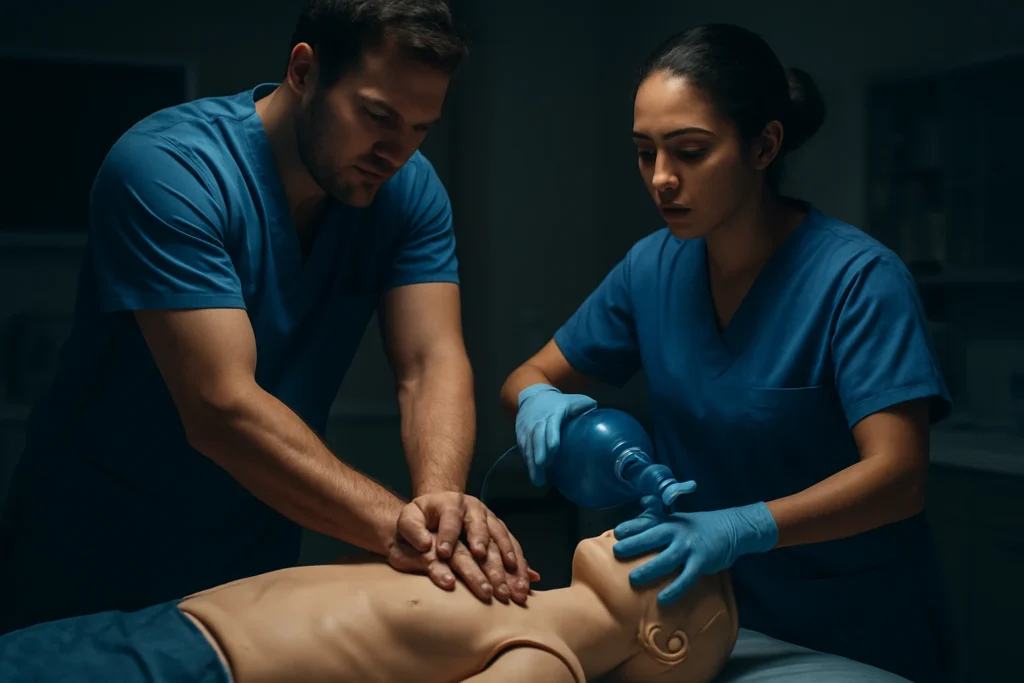
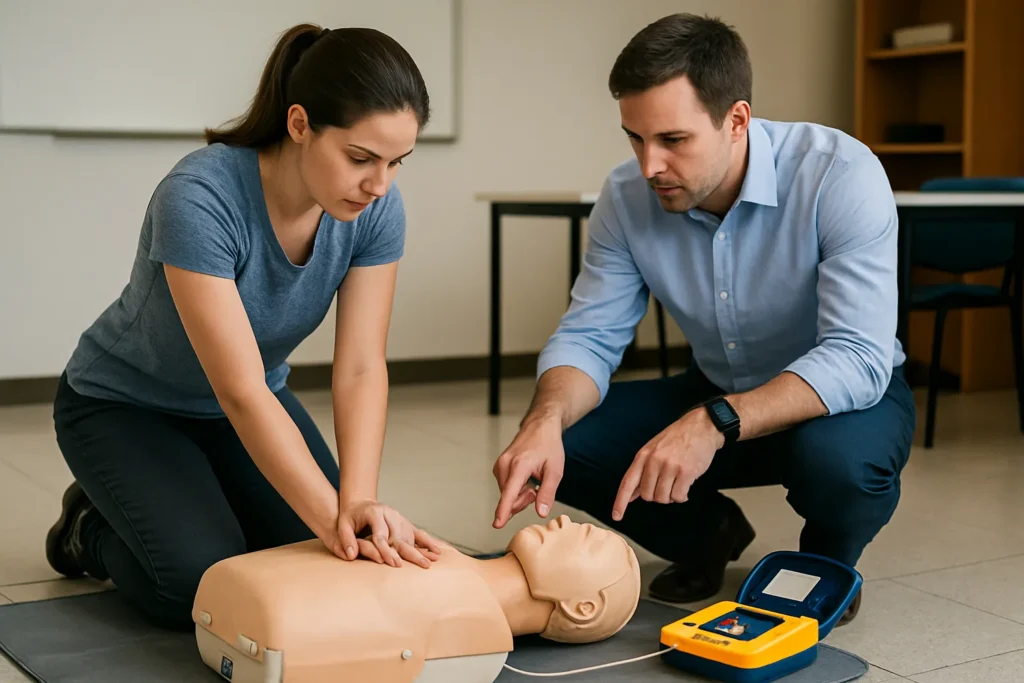
When a fire starts or a chemical spills, people often panic. Panic leads to mistakes. That is why emergency response training is a key part of any OHS program. Many employers require specialized certification, such as Occupational First Aid Level 1, to ensure there is a designated responder on site. These courses teach:
- Evacuation Plans: Knowing exactly which door to use and where to meet outside.
- First Aid Basics: What to do if a coworker gets a cut or faints. (Many people pair OHS training with a Red Cross First Aid certificate to be even more prepared.)
- Fire Safety: How to use a fire extinguisher correctly using the “P.A.S.S.” method (Pull, Aim, Squeeze, Sweep).

Specialized Courses for High-Risk Jobs
Some jobs are more dangerous than others. If you work in a specific industry, you might need extra training.
Chemical Safety
This course teaches you how to read “Safety Data Sheets” (SDS). These sheets tell you exactly what a chemical is and what to do if it gets on your skin or in your eyes.
Confined Space Entry
A “confined space” is somewhere like a sewer pipe, a storage tank, or an underground vault. These places can be dangerous because they might not have enough oxygen. This training teaches you how to test the air before you go in and how to use a harness for safety.
Electrical Safety
Electricity is invisible, which makes it very dangerous. This training teaches workers how to stay away from live wires and how to use “Lockout/Tagout” procedures. This means locking a power switch so no one can turn it on while you are fixing a machine.
Using Technology to Stay Safe
In 2025, safety training is much more exciting than it used to be. Many companies now use Virtual Reality (VR). This allows a worker to “practice” being in a dangerous situation, like a fire or a high-rise building, without any actual risk.
There are also many high-quality online courses. Taking an Intermediate First Aid course helps companies follow these rules, preventing expensive fines and keeping workers out of the hospital.
Following the Law (Compliance)
Safety isn’t just a good idea; it’s the law. Governments have strict rules to make sure bosses protect their workers. Taking an Intermediate First Aid course helps companies follow these rules, preventing expensive fines and keeping workers out of the hospital.
Building a “Culture of Safety.”
The best workplaces are ones where everyone looks out for each other. This includes mental well-being; many modern workplaces are now recognizing the importance of Mental Health First Aid to support colleagues in distress.
- Employees aren’t afraid to speak up if they see something dangerous.
- Bosses listen to safety concerns and fix them right away.
- Everyone takes their training seriously.
Safety shouldn’t be a boring meeting you go to once a year. It should be a part of every conversation. Continuous learning is the key. By taking regular refresher courses, safety stays fresh in everyone’s mind.

Conclusion: Why Invest in Safety Courses?
Essential Occupational Health and Safety Courses are an investment in people. When employees are trained, they feel valued and safe. When a workplace is safe, there are fewer accidents, which means less time off work and more productivity.
Whether you are looking for a basic hazard awareness class or a specialized certificate backed by the Red Cross, the goal is the same: protection.
Ask yourself today: Is my workplace as safe as it could be? If the answer is “no,” it might be time to look into a new safety training program. Remember, safety doesn’t happen by accident—it happens by choice.
Your Safety Checklist:
Do I know where the emergency exits are?
Do I have the right PPE for my specific tasks?
Have I taken a safety refresher course in the last 12 months?
Do I know who to talk to if I see a hazard?
Is my training certificate up to date and recognized by the law?