In an emergency, every second matters. Knowing how to respond the right way can save a life. A Basic Life Support (BLS) course teaches you how to act fast and stay calm during serious medical emergencies like cardiac arrest, choking, or breathing failure.
This guide explains what a Basic Life Support course includes, why refresher training matters, and how BLS skills empower you to act with confidence when it matters most.
The Vital Role of Basic Life Support Training
Basic Life Support (BLS) is the foundation of emergency medical care. It teaches simple but powerful skills that keep oxygen flowing to the brain and heart until advanced help arrives.
Many people ask, “Is BLS the same as CPR?” or wonder about the differences between BLS and CPR-C. While CPR is for everyone, our Basic Life Support (BLS) is specifically designed for medical professionals and first responders.
A CPR Basic Life Support course focuses on:
- High-quality chest compressions
- Proper airway management
- Effective breathing support
These skills strengthen the Chain of Survival, increasing the chance that a person survives a life-threatening emergency.

The Importance of Regular BLS Refresher Training
BLS skills fade without practice. That’s why regular BLS refresher training is essential.
Refresher courses help you:
- Stay current with updated CPR and AED guidelines
- Improve speed and accuracy during emergencies
- Build confidence under pressure
A Red Cross Basic Life Support course refresher ensures your certification stays valid and your skills stay sharp.
Core Components of BLS Courses: What to Expect
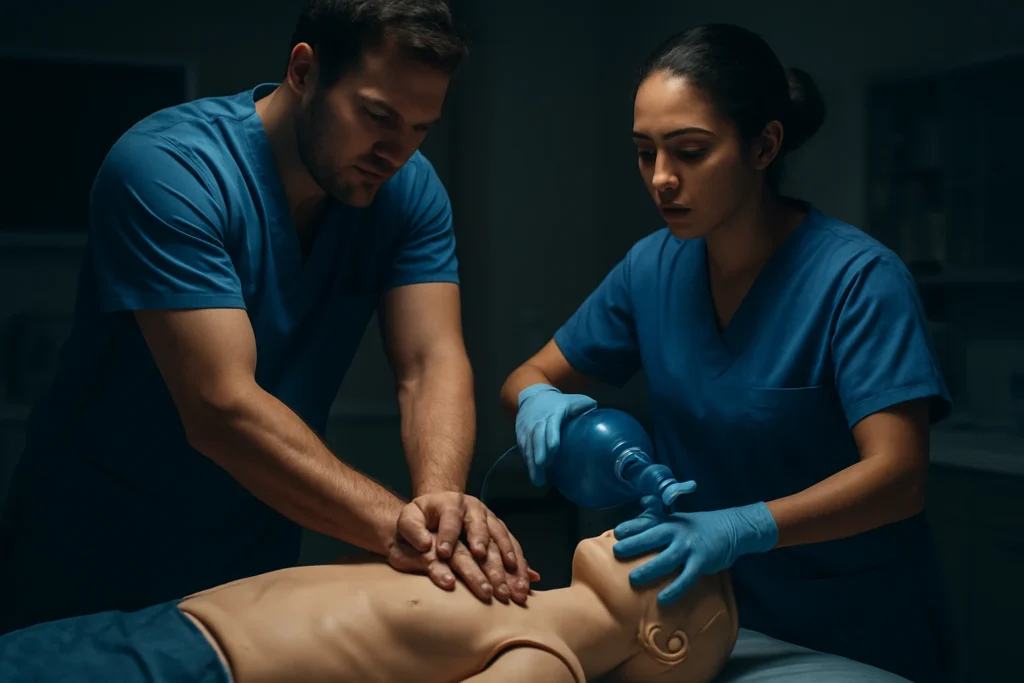
A Basic Life Support for Healthcare Providers course includes hands-on and scenario-based training. You’ll learn how to respond quickly and work as a team during emergencies.
Key training areas include:
- CPR using the CAB method (Compressions, Airway, Breathing)
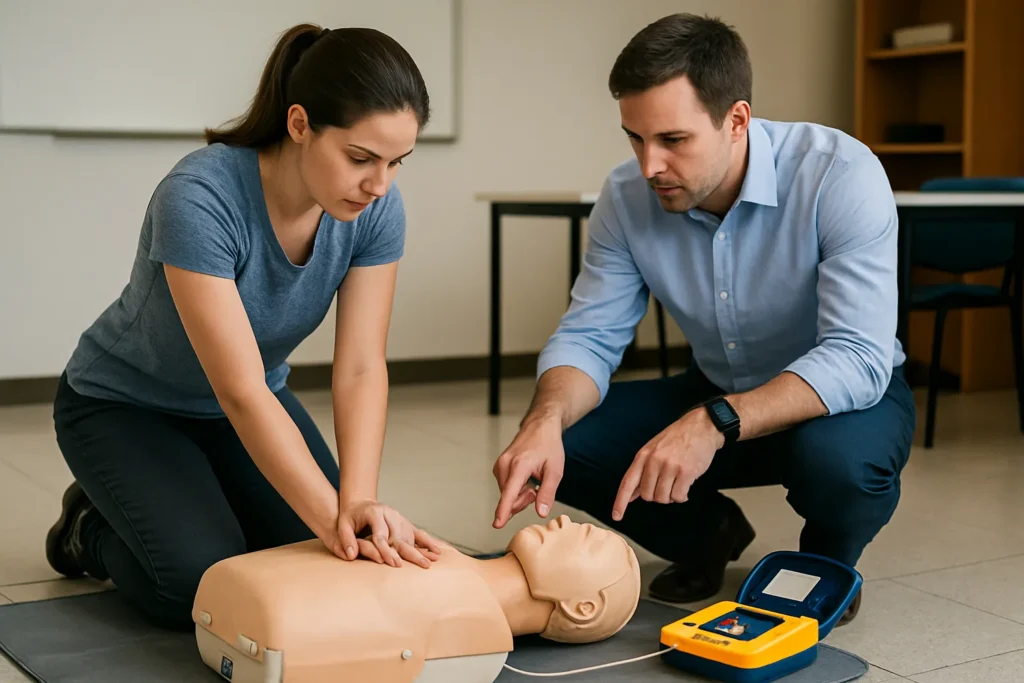
- AED operation and safety
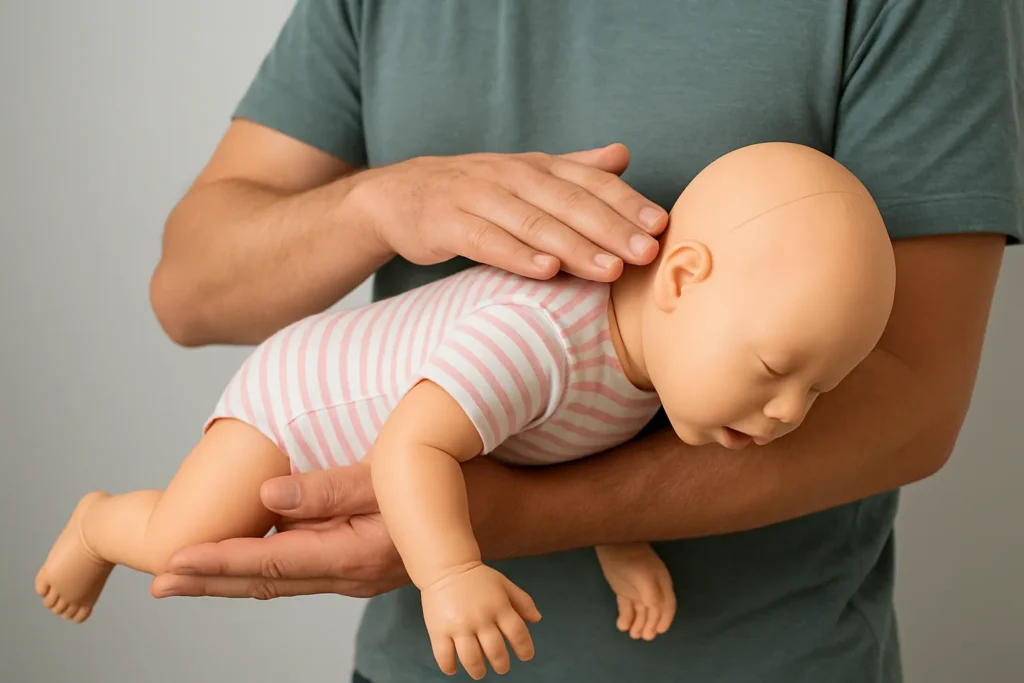
- Choking response for adults, children, and infants
- Real-life emergency simulations
This practical approach prepares you to act without hesitation.
Recognizing Cardiac Arrest
Early recognition saves lives. In a Basic Life Support certification course, you learn to spot signs of cardiac arrest, such as:
- Sudden collapse
- No normal breathing
- Unresponsiveness
Quick recognition allows you to start CPR and use an AED immediately, which greatly improves survival chances.
Performing Cardiopulmonary Resuscitation (CPR)
CPR is the core of every CPR Basic Life Support course.
You will learn:
- Correct hand placement
- Proper compression depth and speed
- When and how to give rescue breaths
Hands-on practice with manikins builds muscle memory so you can perform CPR confidently in real emergencies.
Using Automated External Defibrillators (AEDs)
AEDs can restore a normal heart rhythm during sudden cardiac arrest.
In a Red Cross Basic Life Support course, you learn:
- How to turn on an AED
- Where to place the pads
- How to deliver a shock safely
You’ll also learn how to combine AED use with CPR for the best outcome.
Dealing With Choking Emergencies
Choking can become fatal within minutes. BLS training teaches you how to act fast.
You’ll learn:
- Back blows and abdominal thrusts (Heimlich maneuver)
- Safe choking response for infants
- Modified techniques for pregnant individuals
These skills allow you to clear airways and restore breathing quickly.

Additional BLS Skills
A Basic Life Support certification course goes beyond CPR and choking.
Additional skills include:
- Recognizing stroke warning signs
- Controlling severe bleeding
- Providing first aid for sudden illness
This well-rounded training prepares you to manage many medical emergencies effectively.
Why Immediate Action Is Critical
In emergencies, delay can cost lives. Brain damage can begin within minutes of cardiac arrest.
BLS training emphasizes:
- Acting immediately
- Avoiding hesitation
- Staying focused under stress
Quick action preserves organ function and improves recovery outcomes.
7 Benefits of Basic Life Support Training
- Life-Saving Skills: Learn CPR, AED use, and choking response that can save lives.
- Confidence in Emergencies: Training removes panic and builds confidence to act fast.
- Increased Survival Rates: Early CPR and defibrillation greatly improve survival chances.
- Preparedness Anywhere: Be ready at home, work, or in public spaces.
- Empowerment to Help Others: Make a real difference in your community when it is needed.
- Workplace Safety: BLS-trained staff create safer work environments.
- Personal Growth: Develop responsibility, leadership, and life-long skills.
The Lifesaving Power of Knowledge and Preparation
At Primary Care First Aid, we believe preparation saves lives. Our Basic Life Support courses near you focus on hands-on training, real-world scenarios, and current medical guidelines.
You don’t just earn a certificate you gain the confidence and skills to act when seconds matter most.
Be prepared. Be confident. Save lives.