Accidents can happen anywhere, at any time, and it’s important to be prepared with the knowledge and skills to provide immediate care. Whether it’s a minor cut or a sprained ankle, knowing the right first aid techniques can make all the difference in promoting quick healing and preventing further complications. In this quick reference guide, we will cover some of the most common injuries and how you can provide the best first aid treatment for them. So let’s dive in and learn some valuable skills that can help us be the first responders in times of need.
Understanding the Importance of First Aid
First aid is more than just a basic set of actions—it’s a crucial element in the chain of survival. It can mean the difference between minor and severe outcomes, and in some cases, life and death. Let’s delve deeper into why it’s so vital:
Promptness:Â
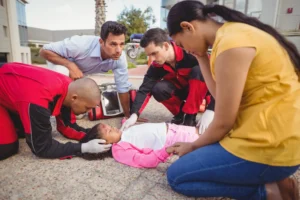
The first few minutes after an injury are critical. Providing first aid can help minimize an individual’s pain and distress, prevent their condition from worsening, and even save lives in life-threatening situations. First aid is the immediate help given until professional medical help arrives.
Prevention of Further Harm:Â
First aid not only treats injuries but also helps prevent further harm. For instance, cleaning a wound can prevent infection, and immobilizing a sprained ankle can prevent further damage.
Relief of Pain:Â
Even for non-life-threatening injuries, first aid can provide relief from pain and discomfort. The application of ice to a sprain or the cleaning of a minor wound can make the victim feel more comfortable and less anxious.
Confidence and Empowerment:Â
Learning first aid equips you with the knowledge and skills to handle emergencies, enhancing your confidence. It empowers you to assist effectively in critical situations without feeling helpless.
Common Injuries and Their Initial Response
Injuries come in many forms, from minor scrapes to more significant issues such as fractures or allergic reactions. The first step in handling any injury is to remain composed. Your calm presence can be a reassuring force for the injured individual. Take a moment to assess the situation, ensuring the scene is safe before tending to the victim. If the injury seems severe, call 911 immediately.Â
Remember, the priority is to stabilize the person until medical professionals can take over. Always make your decisions based on the severity and nature of the injury, and don’t hesitate to seek help when in doubt. This initial response can set the course for successful injury management.
Responding to Cuts and Scrapes
When dealing with cuts and scrapes, the first thing to do is to wash the area with warm water and a gentle soap. This is crucial in keeping infections at bay. Following this, place a sterile bandage or clean cloth over the wound.Â

However, if the bleeding persists, apply pressure to the wound site until the bleeding subsides. If you’re dealing with a severe cut, or if there is an object lodged in the wound, medical help should be sought immediately. Navigating these situations with calm and quick thinking can be a decisive factor in promoting healing and preventing complications.
First Aid for Burns
Minor burns can be quite common, and knowing how to respond effectively is crucial. Immediately cool the burn under running cold water for a minimum of 10 minutes, which can help soothe the area and prevent further damage. Post-cooling, dress the burn with a clean, sterile bandage to shield it from potential infection.Â
Avoid using ice, butter, or any ointments, as these can actually hinder healing. In instances of severe burns, don’t hesitate – dial 911 right away and ensure the burn is covered with a clean, non-stick cover to protect it until professional help arrives. Navigating burns can be tricky, but remembering these key steps will help you remain poised and effective in your response.
Handling Sprains, Strains, and Fractures
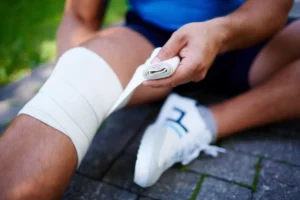
Navigating sprains, strains, and fractures can be quite a task. However, the RICE method—Rest, Ice, Compression, Elevation—can make it a bit easier. It’s essential not to try moving or realigning the limb yourself. If you come across intense pain, deformity, numbness, or have a hunch about a possible bone fracture, medical assistance should be your first call.Â
These situations call for more than just first aid, they require the expertise of a professional. So, while first aid is an immediate response, remember that some injuries need more than just a quick fix. Knowing when to step back and let professionals take over is equally important as providing initial care.
Treating Choking and Difficulty Breathing
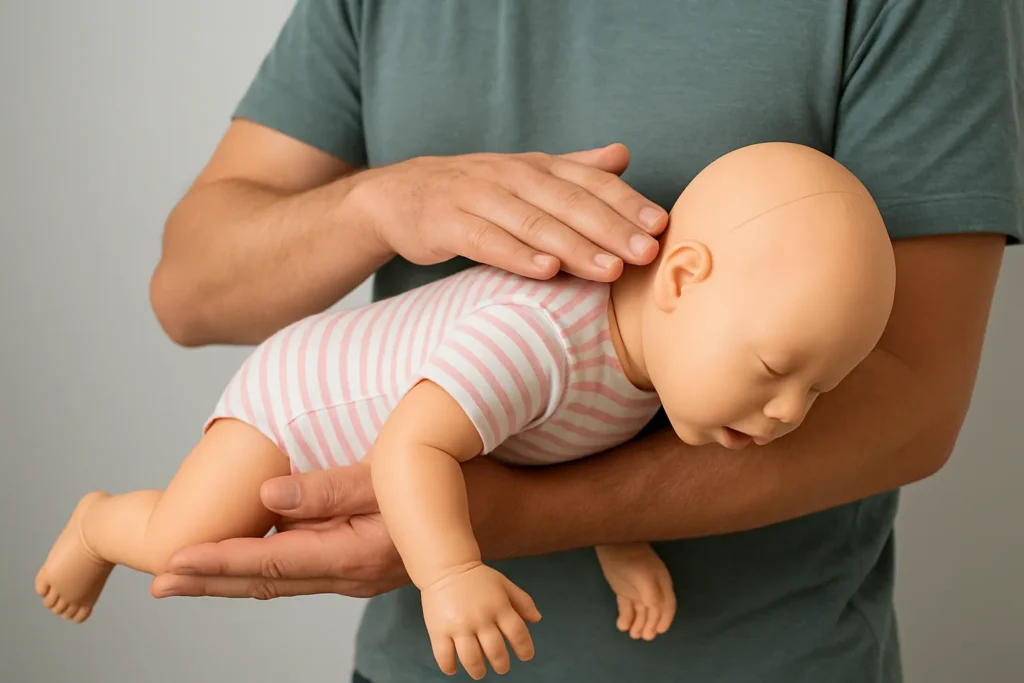
In the midst of a choking episode, time is of the essence and your response could be a lifesaver. The Heimlich maneuver is the go-to method in such a scenario. Position yourself behind the choking person and wrap your arms around their waist. Next, make a tight fist and place it just above the person’s navel. Give a quick, firm upward thrust to help dislodge the object.Â
Should someone exhibit signs of difficulty breathing, perhaps due to a potential allergic reaction or other medical condition, promptly dial 911. It’s critical to maintain calm and reassure the person that help is on the way. Your knowledge of these basic first aid procedures could be instrumental in stabilizing a critical situation until professional medical help arrives.
Dealing with Allergic Reactions
Allergic reactions vary in severity, with some presenting mild symptoms and others leading to critical situations. For mild reactions, such as rashes or minor swelling, promptly remove the allergen, if possible, and administer an over-the-counter antihistamine. In contrast, severe allergic reactions, such as anaphylaxis, demand immediate action. If you notice symptoms like difficulty breathing, fainting, or severe swelling, dial 911 without hesitation.Â
If an autoinjector (EpiPen) is available, use it as per instructions. Remember, while first aid provides immediate relief, it’s crucial to seek professional help as soon as possible, especially in the case of severe reactions. Quick thinking, prompt action, and knowledge of basic first aid can make a huge difference in such scenarios.
Importance of Seeking Professional Medical Help
While first aid is an essential immediate response to injuries, it’s not a substitute for professional medical attention. Here are some reasons why seeking professional help is paramount:
Expertise:Â
Medical professionals have the necessary training and experience to handle a variety of health issues. Their deep understanding of anatomy, physiology, and medical procedures ensures proper diagnosis and treatment. They can detect less obvious symptoms, providing a more comprehensive approach to care.
Resources:Â
Hospitals and clinics have advanced equipment and resources not available at home or in the field. These tools can be critical for tests, treatments, and monitoring that are beyond the scope of first aid.
Recovery and Rehabilitation:Â
Professional healthcare providers can prescribe necessary medications, conduct follow-up care, and recommend physical therapy or other rehabilitation if needed. This holistic approach to health ensures a safe and complete recovery.
Prevention:Â
Doctors can provide advice on injury prevention, healthy lifestyles, and management of pre-existing conditions. This education is essential for long-term health and well-being.
While it’s crucial to act promptly and effectively when an injury occurs, understanding the limitations of first aid and the vital role of professional medical intervention is equally important. Trust in the expertise of healthcare professionals and seek their assistance when injuries occur.
First Aid Training – A Life-Saving Skill
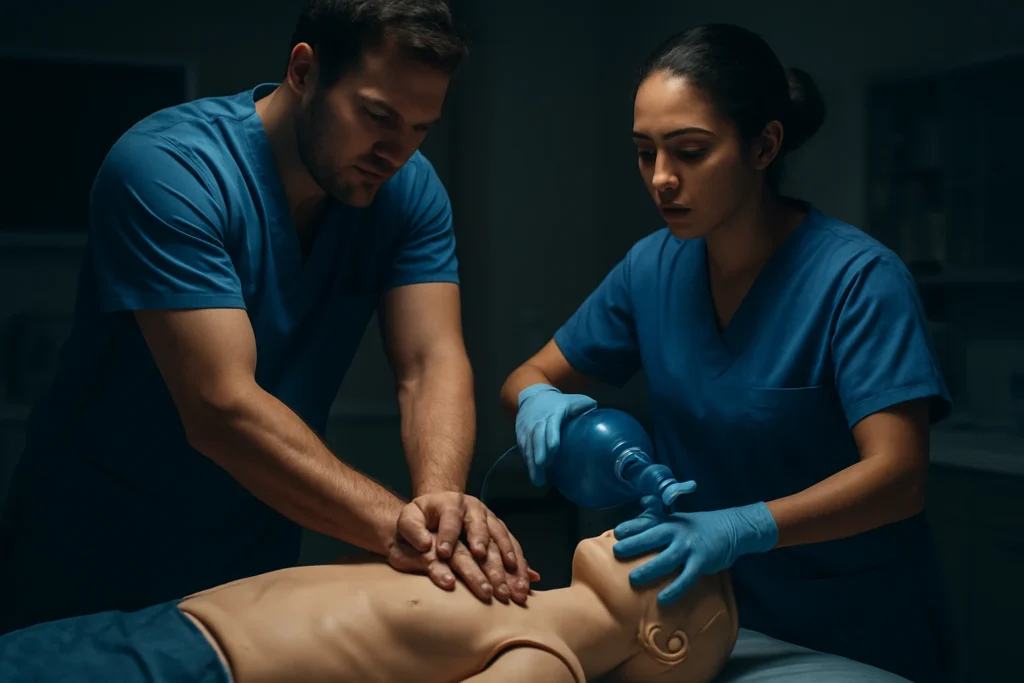
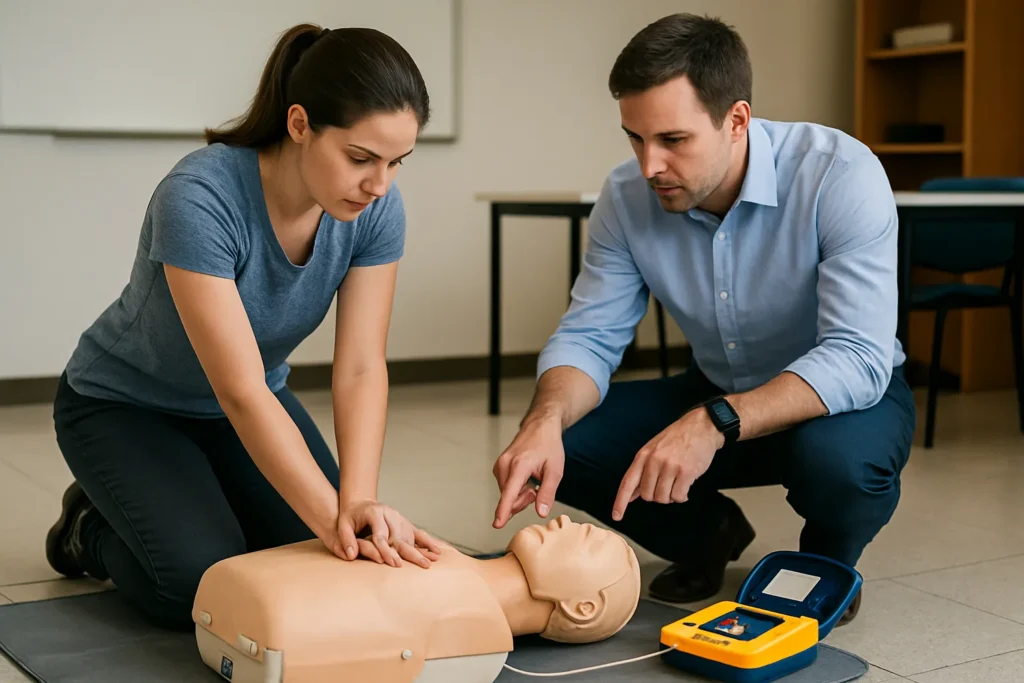
Taking a step beyond this fundamental guide, enrolling in a professional first aid course can further your skills and confidence in handling common injuries and emergencies. These courses, often accessible in local community centers, hospitals, or Red Cross chapters, provide in-depth training on first aid protocols, from basic wound care to handling life-threatening emergencies.Â
The practical experience gained from these courses is invaluable, putting you in simulated scenarios that test your calmness, quick thinking, and proficiency in applying first aid techniques. With certified first aid training under your belt, you’re not only empowered to handle emergencies but also to potentially save a life.Â
The knowledge you gain extends far beyond yourself, making you an asset in any emergency situation. Don’t underestimate the life-saving power of first aid training; invest time in learning it today!
Conclusion
In conclusion, first aid is a vital skill everyone should equip themselves with. It allows us to respond promptly and effectively to common injuries, potentially saving lives before professional help arrives. Remember, first aid is not a replacement for medical treatment but is vital in managing emergencies until healthcare professionals take over.Â
As a provider of certified first aid courses, we strongly encourage you to take the next step in becoming a first responder in emergencies. If you’re ready to make a difference or want to learn more about our courses, please feel free to contact us. With first aid knowledge, you’re not only protecting yourself, but also your family, friends, and the community at large.