Do you have children in your care? Whether you are a parent, a caregiver, or work in the child care industry, it is crucial to have the necessary skills and knowledge to handle emergency situations involving children. Accidents can happen at any time and having proper emergency child care first aid training can make all the difference in keeping a child safe and potentially saving their life. In this blog post, we will explore the importance of emergency child care first aid training and how it can benefit not only the children in your care but also give you peace of mind as a caregiver. So, let’s dive in and discover why this type of training is a must for anyone who works with children.
Understanding the Basics of Emergency Child Care First Aid Training
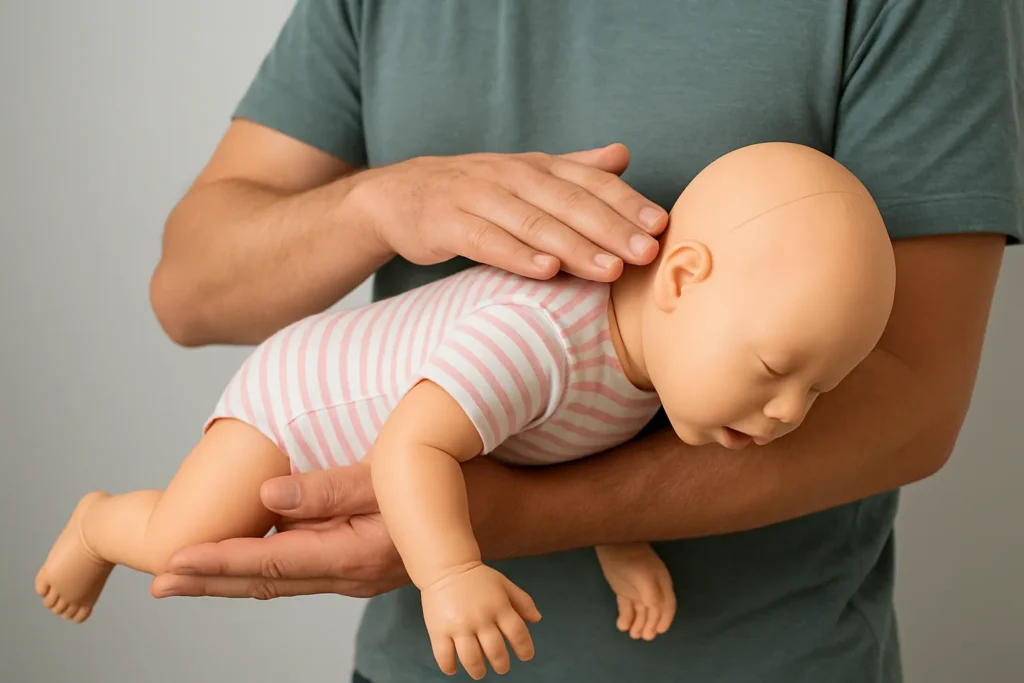
In the realm of child care, being well-versed in emergency first aid is paramount. It’s more than just a valuable skillset; it’s a lifeline in times of crisis. Emergency child care first aid training includes a broad spectrum of techniques that can make a difference in a moment of crisis. Imagine, for instance, that a child is choking or experiencing an allergic reaction. Knowing how to swiftly and effectively respond can mean the difference between a minor scare and a major emergency.

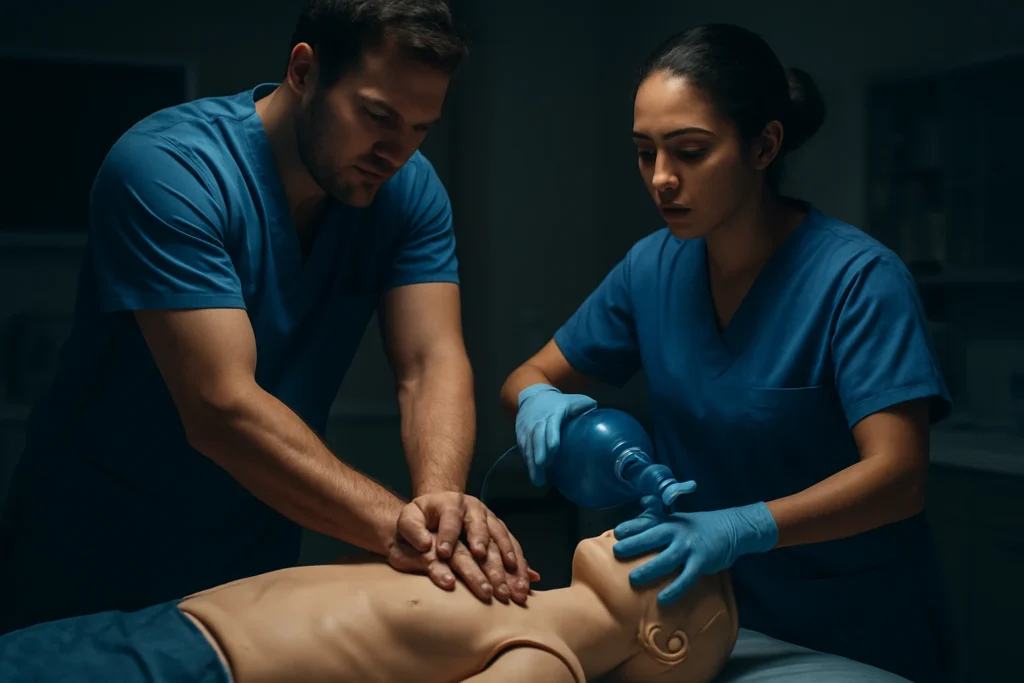
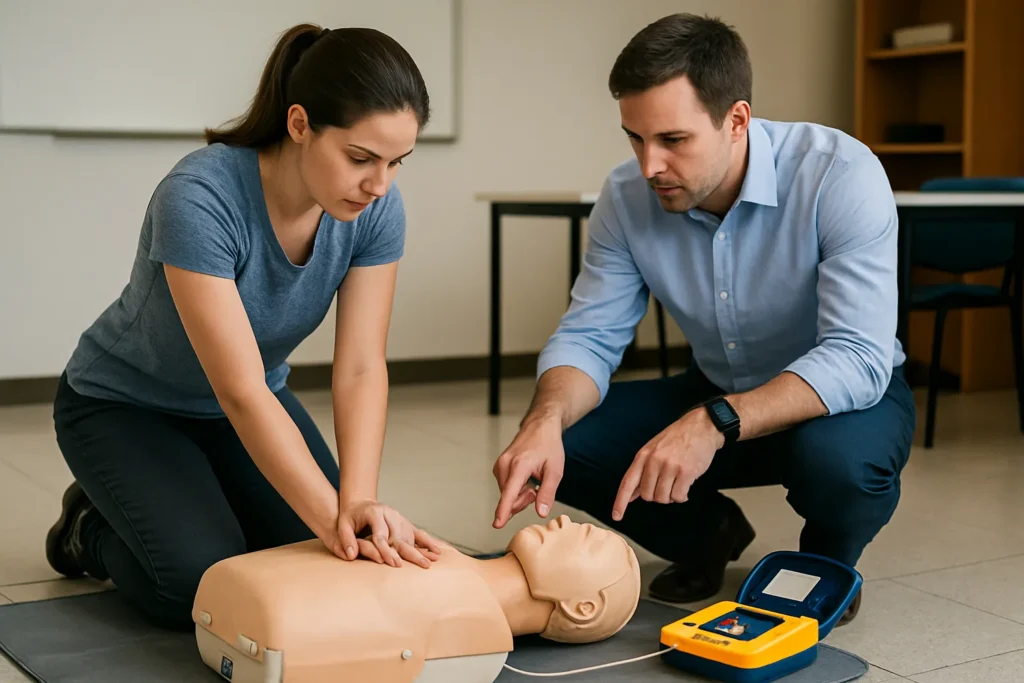
This training also covers how to treat burns, a common accident among curious and explorative youngsters. If a burn incident occurs, proper immediate care can significantly reduce pain and speed up the healing process. The training further delves into performing Cardiopulmonary Resuscitation (CPR)—a potentially lifesaving procedure during certain emergencies such as drowning or cardiac arrest.
The Potential Risks Involved in Child Care
Caring for children involves navigating an array of potential risks daily. As caregivers, it’s our responsibility to be aware of these hazards and learn how to handle them. Here are some potential risks involved in child care:
Choking hazards:Â
Small objects, toys, or even food can pose a risk for choking in young children. They tend to explore their surroundings and often put items in their mouths. Therefore, it’s crucial to ensure that their environment is free of small items, and that they are closely monitored during mealtimes.
Falls:Â
Children are full of energy and curiosity, leading to potentially hazardous situations, especially with falls. This can happen anywhere from stairs, furniture, playgrounds, or while they’re simply playing. Caregivers should be vigilant about child-proofing environments and supervising play.
Burns:Â
Children may not be aware of the danger posed by hot surfaces or substances, making them prone to burns. This can happen in the kitchen, with hot water, or around fireplaces and heaters.

Drowning:Â
Water sources like pools, tubs, or even buckets can pose a drowning risk. Children can drown in as little as an inch of water, so constant supervision is essential around any water body.
Accidental poisoning:Â
Household cleaners, medicines, or certain plants can be toxic if ingested. These should always be kept out of reach.
Statistics on Child-Related Accidents
A glance at child-related accident statistics reveals the sobering truth of how critical emergency child care first aid training is:
– According to the CDC, unintentional injuries lead to approximately 12,000 deaths each year among children and young adults aged 1-19.
– Every day, roughly 8,000 fall-related visits to emergency rooms involve children under the age of 19. Falls are indeed the leading cause of nonfatal injuries in children.
– Annually, about 100 children are fatally injured, and a staggering 254,000 sustain injuries due to bicycle-related accidents.
– Among children aged 1-4, drowning is the top cause of accidental death. Most instances occur in residential pools and open water, though a child can drown in as little as one inch of water.
– For infants under the age of 1, airway obstruction or suffocation is the primary cause of accidental death.
– Every year, home injuries result in approximately 2,000 deaths among children aged 14 and under. The leading causes include fire and burns, suffocation, drowning, firearms, falls, choking, and poisoning.Â
These numbers underscore the potentially severe consequences of childhood accidents and the importance of immediate and effective first aid intervention.
How First Aid Knowledge Can Make a Difference
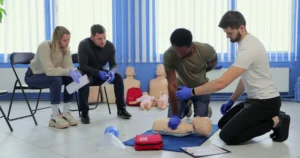
First aid knowledge is like an unseen shield, always ready to spring into action when an emergency strikes. This protective shield extends its cover in several critical ways:
Swift and Appropriate Response:Â
First aid knowledge empowers caregivers to swiftly recognize the signs of a medical emergency and respond appropriately. This could involve performing Heimlich maneuver for a choking child, commencing CPR for a child in cardiac arrest, or administering first aid for burns.Â
Stabilizing Condition:Â
Immediate first aid can help stabilize a child’s condition, preventing further injury or deterioration until professional help arrives. For instance, in the event of severe bleeding, knowledge of how to apply pressure or create a makeshift tourniquet could potentially save a life.
Minimizing Trauma:Â
Administering effective first aid reduces the physical trauma experienced by a child during an emergency. But it goes beyond that. A caregiver trained in first aid is also equipped to manage a child’s fear and anxiety, providing reassurance and thus minimizing emotional trauma.
Enabling Recovery:Â
First aid isn’t just about handling the crisis moment—it also plays a part in the recovery process. For instance, knowing how to properly clean and dress a wound can prevent infections and promote healing.
Compliance with Child Care Regulations
First aid training isn’t just a practical necessity—it’s a regulatory requirement in many regions for those involved in child care. A number of regulatory bodies mandate that individuals caring for children should have a valid certification in first aid and CPR. This certification must be renewed regularly to ensure that caregivers are up-to-date with the latest practices and procedures. By acquiring emergency child care first aid training, you not only equip yourself with crucial skills but also fulfill the following regulatory requirements:
Adherence to Licensing Standards:
Many states have specific licensing standards that mandate first aid training for childcare providers. This is to ensure the safety and well-being of children in their care.
Compliance with Occupational Safety and Health Administration (OSHA) Regulations:Â
OSHA has specific regulations that necessitate employers to ensure their employees are trained in first aid, particularly in occupations that involve hazards such as childcare.
Meeting Insurance Requirements:Â
Certain insurance providers require proof of first aid training for coverage. This ensures that risk is minimized in child care settings.
Accreditation Standards:Â
Accreditation bodies like the National Association for the Education of Young Children (NAEYC) require staff in accredited programs to have first aid training.
The Emotional Relevance of First Aid Training

Aside from the physical aid it provides, first aid training also carries a significant emotional relevance. Let’s delve into the many ways this emotional relevance comes into play:
Reducing Anxiety:Â
Knowing you’re equipped to handle emergencies can reduce the anxiety associated with potential accidents or health emergencies. It eliminates the fear of not knowing what to do when a child is in danger, providing emotional comfort to the caregiver.Â
Offering Reassurance:Â
The confidence a caregiver exudes when they know how to manage emergency situations can be incredibly reassuring for the child involved. Children tend to mimic adult emotions, so a calm and confident demeanor can help reduce their panic and fear during distressing situations.
Establishing Trust:Â
When parents and guardians know that you have the necessary training to handle emergencies, it establishes a level of trust. They can feel secure knowing that their child is in safe, capable hands which in turn leads to a stronger emotional connection.
Emotional Preparation:Â
First aid training also prepares caregivers emotionally for dealing with high-stress situations. It equips them to manage their emotions, stay calm, and think clearly to provide the necessary care, ensuring the emotional well-being of both the caregiver and the child.
Conclusion
In conclusion, the importance of emergency child care first aid training cannot be emphasized enough. It arms caregivers with the critical knowledge and skills needed to manage emergencies, reduce risks, and protect the well-being of children in their care. Beyond its practical application, this training builds confidence, supports emotional readiness, and ensures compliance with child care regulations.Â
Ultimately, it is about nurturing safer, more secure environments for our children. Remember, being prepared isn’t just about reacting to emergencies; it’s about being proactive in preventing them. If you are interested in acquiring these lifesaving skills, please don’t hesitate to contact us. Our dedicated team is ready to guide you on this crucial journey. Take the first step towards better child care today.