As a parent, your child’s safety is always your top priority. While we hope to never encounter an emergency situation, it’s important to be prepared in case the unexpected happens. One essential skill that every parent should know is CPR, or cardiopulmonary resuscitation. This simple technique can save a life in critical situations, and knowing how to properly perform it can make all the difference. Don’t panic, Primary Care First Aid is here to guide you through the basics of CPR and equip you with the necessary knowledge and skills to confidently handle an emergency involving your child. So take a deep breath and let’s dive into the essentials of CPR for parents.
Understanding the Basics: What is CPR?
Cardiopulmonary resuscitation (CPR) is a life-saving technique that combines chest compressions and rescue breaths to restore blood circulation and oxygen supply to the body during emergencies. CPR is crucial when someone is experiencing cardiac arrest or has stopped breathing. It helps to buy time until professional help arrives.

During CPR, chest compressions are performed to manually pump the heart, keeping blood flowing to vital organs. This helps to prevent brain damage and increase the chances of survival. Rescue breaths are also given to provide oxygen to the person’s lungs.
Importance of Proper CPR Certification for Parents
As a parent, being properly certified in CPR is of utmost importance. Here’s why:
Confidence and Readiness:ÂÂ
Being certified in emergency first aid with CPR/AED level C gives parents the confidence and readiness to respond effectively in emergency situations. CPR techniques and guidelines are constantly evolving, and being certified through courses like standard first aid ensures that parents are up to date with the latest techniques and best practices. It equips parents with the knowledge and skills needed to act quickly and confidently, which can be the difference between life and death.
Increased Effectiveness:ÂÂ
CPR techniques and guidelines are constantly evolving, and being certified ensures that parents are up-to-date with the latest techniques and best practices. This increases the effectiveness of their life-saving efforts and improves the chances of a successful outcome.
Critical Decision-Making:ÂÂ
CPR certification also involves learning about important decision-making factors in emergency situations. This includes when to start CPR, when to call emergency services, and how to assess the situation accurately. Proper certification enables parents to make critical decisions with confidence and clarity.
Emergency Preparedness:ÂÂ
CPR certification goes hand in hand with overall emergency preparedness. It encourages parents to create a first aid kit, learn about emergency procedures, and familiarize themselves with basic first aid skills. This comprehensive approach ensures that parents are ready to handle any emergency situation that may arise.
Support for Others:ÂÂ
CPR certification not only benefits your own child but also empowers you to help others in need. You never know when you may be called upon to assist someone else’s child, a family member, or even a stranger, and it’s also helpful to know information like the recommended age for babysitting. By being certified, parents can make a difference and potentially save lives beyond their immediate family.
Common Mistakes to Avoid When Performing CPR
Performing CPR can be a high-stress situation, and it’s natural to feel overwhelmed. However, it’s crucial to avoid common mistakes that could potentially hinder your life-saving efforts. Here are some mistakes to avoid when performing CPR:
Not pressing hard enough:ÂÂ
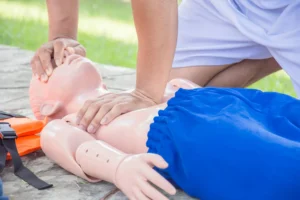
The American Heart Association recommends compressions of at least 2 inches deep for adults. It’s important to apply enough pressure to effectively circulate blood.
Compressing too fast:ÂÂ
While it’s essential to maintain a steady pace, compressions that are too fast can be ineffective. Remember to aim for a rate of 100 to 120 compressions per minute.
Neglecting to fully recoil:ÂÂ
Allowing the chest to fully recoil between compressions is vital. Failing to do so can impede blood flow and decrease the effectiveness of CPR.
Forgetting rescue breaths:ÂÂ
Rescue breaths are just as important as chest compressions, as they provide oxygen to the person’s vital organs. Make sure to provide two breaths after every 30 compressions.
Ignoring AED availability:ÂÂ
Automated External Defibrillators (AEDs) can greatly increase the chances of survival in a cardiac arrest situation. If one is available, use it according to the instructions provided.
When to Call Emergency Services: Identifying Serious Situations
In emergency situations, it can sometimes be difficult to determine when it is necessary to call emergency services. However, it is crucial to be able to identify serious situations and know when it is time to seek professional medical help. Here are some key indicators that should prompt you to call emergency services:
Unconsciousness:ÂÂ
If your child is unresponsive and does not wake up when you shake or shout their name, it is important to call emergency services immediately. This could be a sign of a serious medical condition or injury.
Difficulty breathing:ÂÂ
If your child is having trouble breathing or is gasping for air, this could be a sign of a respiratory emergency. It is important to call emergency services as soon as possible, as difficulty breathing can quickly escalate into a life-threatening situation.
Chest pain or pressure:ÂÂ
If your child is experiencing severe chest pain or pressure, it could be a sign of a heart attack or other cardiac event. It is important to call emergency services immediately, as time is critical in these situations.
Severe bleeding:ÂÂ
If your child is bleeding profusely and you are unable to control the bleeding with direct pressure, it is important to call emergency services. Severe bleeding can lead to serious complications and should be addressed by medical professionals.
Seizures:ÂÂ
If your child is having a seizure and it lasts longer than five minutes, or if they have multiple seizures in a row without regaining consciousness in between, it is important to call emergency services. Seizures can be a sign of a serious medical condition and require immediate medical attention.
Remember, it is always better to err on the side of caution and call emergency services if you are unsure about the severity of a situation. Medical professionals are trained to assess and respond to emergencies, and they can provide the necessary guidance and assistance to ensure the safety and well-being of your child.
Tips for Creating a First Aid Kit for Your Home
When it comes to emergencies, having a well-stocked first aid kit in your home can make all the difference. It’s important to have the necessary supplies readily available, so you can quickly respond to injuries or accidents. Here are some tips for creating a first aid kit for your home:
Start with the essentials:ÂÂ
Every first aid kit should include basic items such as adhesive bandages, gauze pads, adhesive tape, scissors, tweezers, and disposable gloves. These items can help you treat cuts, scrapes, and minor injuries.
Add medications:ÂÂ
Include over-the-counter pain relievers, antihistamines, and antacids in your first aid kit. These can be useful for managing pain, allergies, and indigestion.
Don’t forget about hygiene:ÂÂ
Include hand sanitizer, alcohol wipes, and antibacterial ointment to prevent infections and promote cleanliness.
Include specialized items:ÂÂ
Consider the specific needs of your family when stocking your first aid kit. If you have young children, include child-safe medications and items such as teething gel. If you have family members with specific medical conditions, include any necessary medications or medical supplies.
Check expiration dates:ÂÂ
Regularly check the expiration dates of items in your first aid kit and replace any that are expired. This ensures that your supplies are effective when you need them.
Keep your kit organized:ÂÂ
Use a container or bag that is easy to access and clearly label your first aid kit. This makes it easier to find what you need during an emergency.
Conclusion
In conclusion, as a parent, it’s crucial to be prepared for emergency situations and have the necessary skills to provide life-saving assistance. It can make all the difference in critical situations where a child’s breathing or heartbeat has stopped. By practicing safe and effective CPR techniques, having a well-stocked first aid kit, and continuously learning and updating your skills, you can become an invaluable resource in your family as well as the community and potentially save lives.
