It is a scary thought. You are walking down a street in Vancouver or Surrey and see someone collapse. You want to help. You know you should perform CPR, but a tiny voice in your head asks: “What if I do it wrong? What if they sue me?â€
This fear is the biggest reason why people hesitate to help during a cardiac arrest. In a life-or-death situation, every second counts. If you wait because you are worried about a lawyer, a life could be lost.
The good news is that the law in British Columbia is on your side. In this guide, we will explain the BC Good Samaritan Act and why you are legally protected when you try to save a life.
Am I Legally Liable If I Help In An Emergency?
No. In British Columbia, the Good Samaritan Act protects you from being sued if you help someone in an emergency. As long as you are acting in “good faith” (trying to help) and you are not “grossly negligent” (acting recklessly or crazily), you cannot be held legally responsible for injury or death.
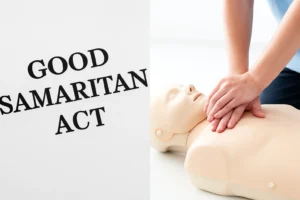
What is the BC Good Samaritan Act?
The Good Samaritan Act is a law in British Columbia designed to encourage people to help others. The government knows that if people are afraid of being sued, they won’t help.
This law states that a person who provides emergency first aid at the scene of an accident or emergency is not liable for damages for injury or death. This applies even if you aren’t perfect, as long as you are trying your best to help. This is a core part of first aid for life and community safety.
The Two “Golden Rules” of Legal Protection
To be protected by the Good Samaritan Act in BC, you simply need to follow two basic rules:
Rule A: Act in “Good Faith”
“Good faith” is a legal term that basically means you are helping because you want to save a life, not for money or a reward. If you see someone who isn’t breathing and you start CPR and AED training techniques to help them, you are acting in good faith.
Rule B: No “Gross Negligence”
This is where people get worried. Does “doing it wrong” count as negligence?
- Simple Negligence: This is making a small mistake, like not pushing quite deep enough during CPR. You are protected from this.
- Gross Negligence: This means doing something so reckless that a normal person would never do it. For example, trying to perform surgery on a sidewalk with a pocketknife would be gross negligence.
As long as you stick to the basics you learned in a Standard First Aid course, you are safe from legal trouble.
What About Broken Ribs?
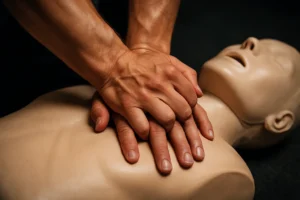
This is the most common myth. People think, “If I break their ribs while doing CPR, they will sue me for the injury.”
Here is the reality: CPR requires strong, deep compressions. It is very common for ribs to crack or break during the process. In the eyes of the law, a broken rib is a small price to pay for a saved life. You are not liable for broken ribs caused by proper CPR. In fact, we have a whole blog post explaining why CPR can break ribs and why it is actually a sign that you are doing it right!
Do You Need a Certificate to Be Protected?
You do not need a valid first aid certificate to be protected by the Good Samaritan Act. If you have never taken a course but you see someone choking and you try to help, the law still protects you.
However, having a certificate is your best “legal shield.” If someone ever did try to question your actions, being able to show that you were trained in basic first aid proves that you followed a recognized “standard of care.” It shows that you acted exactly how a reasonable, trained person should act.
When Does the Act NOT Protect You?
There are very few times when the Good Samaritan Act does not apply. It generally does not protect:
- Paid Professionals on Duty: If you are a paramedic, nurse, or doctor and you are “on the clock” getting paid to provide care, you are held to a higher professional standard.
- Gross Negligence: As mentioned before, doing something clearly dangerous or outside of normal first aid.
- Forced Help: If a person is conscious and clearly says “No, don’t touch me,” you must respect their wishes. Forcing help on a conscious person who refused it could be considered assault. (If they are unconscious, the law assumes “implied consent.”)
Why “Doing Nothing” is the Only Real Risk
In BC, you are not legally required to help a stranger (unless you were the cause of the accident). However, the moral risk of doing nothing is much higher than the legal risk of helping.
When someone’s heart stops, their chance of survival drops by 10% every minute. By performing CPR, you are giving them a fighting chance. Because of the Good Samaritan Act, the law wants you to try. It would rather have a bystander try to help and fail than have them stand by and watch because they were afraid of a lawsuit.
Your Legal Safety Net
| Scenario | Am I Protected? | Why? |
|---|---|---|
| Cracking a rib during CPR | YES | It’s a common side effect of life-saving care. |
| Failing to save the person | YES | You aren’t a god; you are just a helper. |
| Using an AED correctly | YES | AEDs are designed for public use. |
| Acting while getting paid | NO | You are held to professional standards. |
| Performing “Street Surgery” | NO | This is considered “Gross Negligence.” |
Get the Confidence to Act
The best way to get rid of the “fear of doing it wrong” is to get hands-on practice. When you know exactly where to put your hands and how deep to push, you don’t have to think—you just act.
At Primary Care First Aid, we pride ourselves on making our classes stress-free and supportive. We want you to leave our classroom feeling like a hero, not a lawyer.
- Vancouver Residents: Join us for a first aid course in Vancouver and practice on our high-tech mannequins.
- Surrey Residents: We offer weekly first aid in Surrey sessions.
- Healthcare Students: Make sure you have the right level of training by taking our Basic Life Support (BLS) course.
Ready to gain the confidence to save a life?
Check our Upcoming Course Schedule and sign up today.
